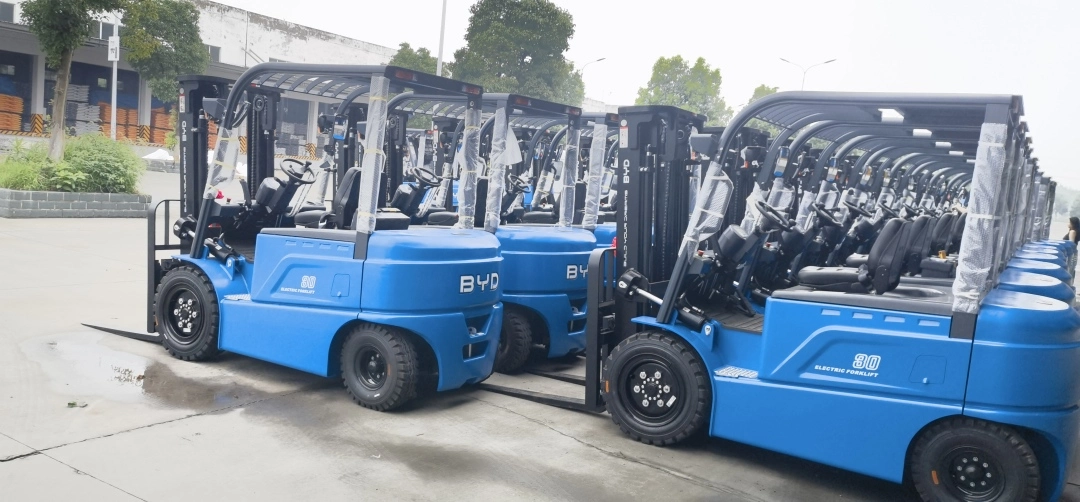
Standard 72-inch forklift forks are widely used in warehouses, distribution centers, and industrial settings for handling palletized loads of various sizes. Understanding their key dimensions is crucial for ensuring safe load handling, proper compatibility with forklift carriages, and compliance with industry standards. This guide outlines the critical measurements that operators, maintenance teams, and procurement professionals should reference when working with or sourcing these common forklift components.
First, the overall length and effective load-bearing length are foundational dimensions. The standard total length of 72 inches refers to the distance from the rear of the fork’s hook assembly to the tip of the fork tines. However, the effective length— the portion of the fork that safely supports loaded pallets—typically ranges slightly shorter, accounting for the hook section that attaches to the forklift carriage. This measurement ensures that pallets are fully supported, reducing the risk of load tipping during transport.
Next, cross-sectional dimensions play a vital role in load capacity. The width and thickness of the fork tines vary based on intended load weights, but for standard 72-inch forks, common cross-sectional measurements include a tine width of 4 to 5 inches and thickness ranging from 1 to 1.5 inches. These dimensions directly impact the fork’s ability to withstand bending and stress under heavy loads, making them a key consideration for matching forks to specific load requirements.
The hook assembly dimensions are another critical reference point. The hook, which secures the fork to the forklift carriage, must fit precisely within the carriage’s mounting slots. Standard measurements for the hook’s height, width, and depth ensure a secure fit, preventing the fork from slipping or dislodging during operation. Mismatched hook dimensions not only pose safety hazards but can also cause premature wear on both the fork and carriage components.
Fork tip geometry is often overlooked but essential for operational efficiency. The tip of each fork features a slight angle and rounded edges, designed to easily slide into pallet openings without damaging the pallet or load. Standard 72-inch forks typically have a tip angle of 1 to 2 degrees from the vertical, and rounded edges with a radius of 0.5 to 1 inch. This geometry ensures smooth insertion and removal of forks from pallets, reducing downtime and minimizing product damage.
Finally, the recommended fork spacing— the distance between the inner edges of the two forks— should align with standard pallet dimensions. For most industrial pallets, a spacing of 24 to 36 inches is ideal, allowing the forks to evenly distribute the load across the pallet’s support beams. Proper spacing prevents uneven weight distribution, which can lead to load instability and increased stress on individual forks.
Regularly verifying these key dimensions is essential for maintaining forklift safety and performance. Wear and tear from frequent use can alter fork dimensions over time, compromising load-bearing capacity and compatibility. By referencing these standard measurements, operators can ensure that their 72-inch forklift forks remain compliant with industry safety standards, support efficient load handling, and extend the lifespan of both the forks and the forklift itself.