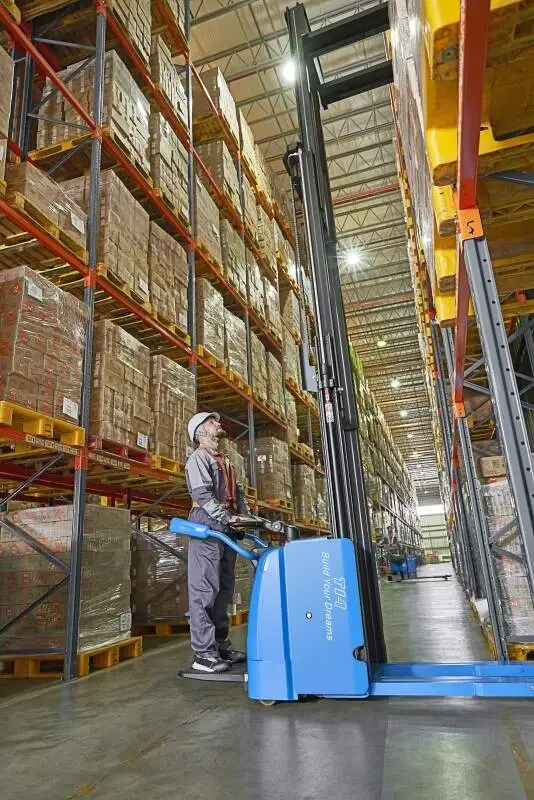
In modern material handling operations, electric forklifts have become a staple for their eco-friendliness and efficiency. The right attachments can further amplify their capabilities, turning a standard forklift into a versatile tool tailored to specific tasks. However, selecting the appropriate electric forklift attachments requires careful consideration of several key factors to ensure optimal performance, safety, and cost-effectiveness.
First and foremost, align the attachment with your specific material handling needs. Different tasks demand different tools—for instance, if you frequently handle bulky, irregularly shaped loads, a clamp attachment might be essential, while pallet forks are standard for uniform palletized goods. Consider the weight capacity of the attachment relative to the loads you regularly move, as well as the dimensions of the items to avoid mismatches that could lead to inefficiency or safety hazards. Evaluating your daily operations, from load types to frequency of use, will help narrow down the most suitable attachments.
Safety is another non-negotiable factor. Any attachment you choose must comply with industry safety standards to protect both operators and workplace assets. Ensure that the attachment is designed with built-in safety features, such as locking mechanisms to secure loads during transport. Additionally, operators should receive proper training on how to use the attachment correctly, as improper handling can lead to accidents. Regular inspections of attachments are also crucial to identify wear and tear that could compromise safety over time.
Compatibility with your electric forklift is vital. Not all attachments are suitable for every model, so it’s important to verify that the attachment can be seamlessly integrated with your forklift’s hydraulic system, weight capacity, and overall design. Mismatched attachments can strain the forklift’s components, leading to increased maintenance costs and reduced lifespan. At Jianshu New Energy, we specialize in BYD electric forklifts and can provide expert guidance on selecting attachments that perfectly match your equipment. For more information, feel free to reach out to us at 17399989919@163.com.
Consider the long-term maintenance and operational costs. Some attachments may have higher upfront costs but offer lower maintenance needs and longer lifespans, making them more cost-effective over time. Evaluate the availability of replacement parts and the ease of servicing the attachment, as downtime due to maintenance can disrupt your operations. Choosing durable, high-quality attachments can minimize unexpected repair costs and ensure consistent performance.
Finally, assess how the attachment will impact overall operational efficiency. The right attachment should streamline workflows, reduce manual labor, and cut down on the time taken to complete tasks. For example, a side-shift attachment allows operators to adjust load positions without repositioning the entire forklift, saving time and improving precision. By selecting attachments that enhance productivity, you can maximize the return on your investment in both the forklift and its accessories.
In conclusion, selecting the right electric forklift attachments involves a holistic approach that balances task requirements, safety, compatibility, cost, and efficiency. Taking the time to evaluate these key factors will help you choose attachments that not only meet your immediate needs but also support long-term operational success.