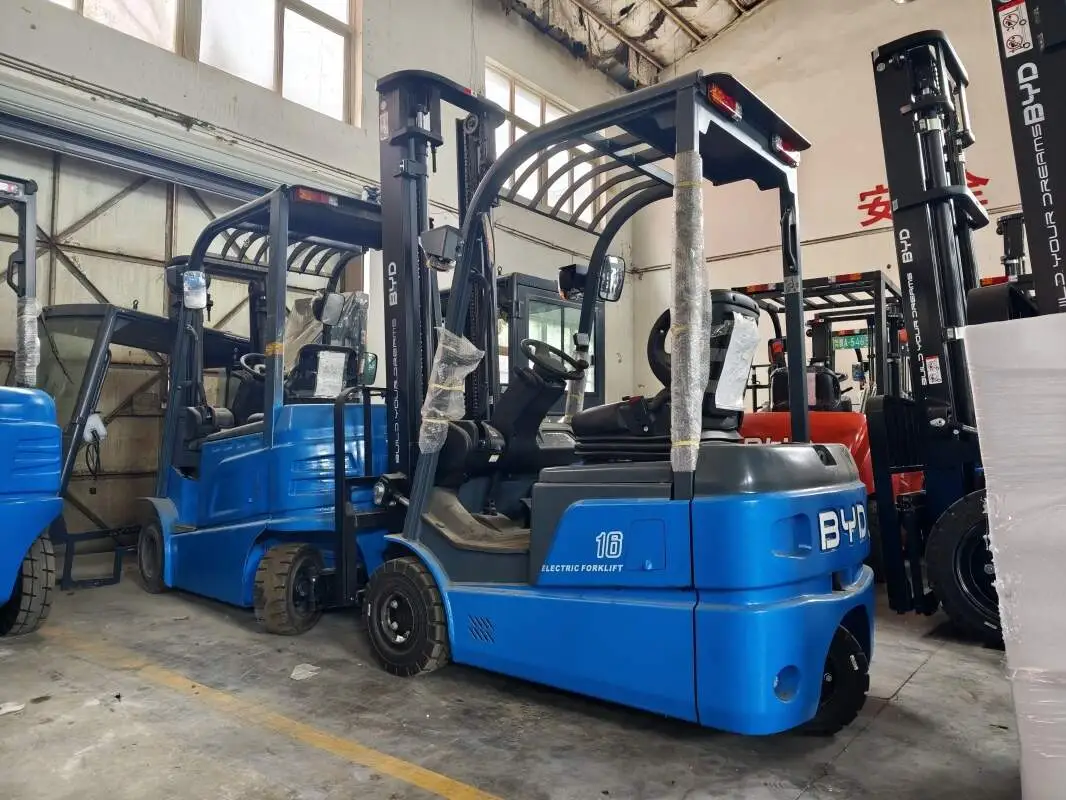
Industrial electric forklifts serve as workhorses in modern logistics and warehouse operations, where consistent performance and adaptability directly impact operational efficiency. As business needs evolve, many operators look to upgrade components or replace worn parts to extend equipment lifespan and enhance functionality. However, successful component matching and upgrade rely strictly on adhering to core forklift specifications to ensure safety, compatibility, and optimal performance.
Load capacity stands as the foundational specification for any component-related project. When replacing forks, carriage assemblies, or mast components, it is essential to align with the forklift’s rated static and dynamic load limits. Selecting components that exceed the rated capacity can strain the forklift’s frame and hydraulic system, leading to structural damage or safety risks. Conversely, undersized components will restrict operational efficiency, preventing the forklift from handling intended loads effectively.
Power system specifications are critical for electric forklift upgrades, encompassing battery voltage, current ratings, and motor power output. When upgrading batteries or motors, components must match the original system’s voltage and power range to avoid damaging the forklift’s controller or electrical circuitry. Compatibility with existing charging systems is also key—new batteries should align with the original charging interface and cycle requirements to ensure seamless operation and maximize battery longevity.
Hydraulic system parameters directly influence lifting performance and operational stability. The hydraulic pump’s flow rate, pressure rating, and cylinder dimensions dictate lifting speed, load control, and overall smoothness. When upgrading hydraulic components such as pumps, cylinders, or valves, it is mandatory to match these parameters to the original system. Mismatched hydraulic parts can cause inconsistent lifting, fluid leaks, or even system failure, disrupting daily operations and increasing maintenance costs.
Tire and wheel specifications are often overlooked but vital for safe and efficient operation. Tire size, load rating, and tread type must align with the forklift’s weight capacity and operational environment. For example, solid rubber tires suit rough outdoor terrain, while cushion tires are optimal for smooth indoor warehouse floors. Choosing tires with incorrect load ratings can compromise stability, leading to uneven wear or increased tipping risk. Wheel rim dimensions must also match tire specifications to ensure proper installation and safety.
For operators of BYD electric forklifts, partnering with a specialized provider ensures access to accurate specification guidance and compatible components. Jianshu New Energy, a dedicated supplier of BYD electric forklifts, offers professional support for component matching and upgrade projects. Whether you need assistance selecting replacement parts or optimizing forklift performance, you can reach our team at 17399989919@163.com for reliable, compliant solutions tailored to your operational needs.