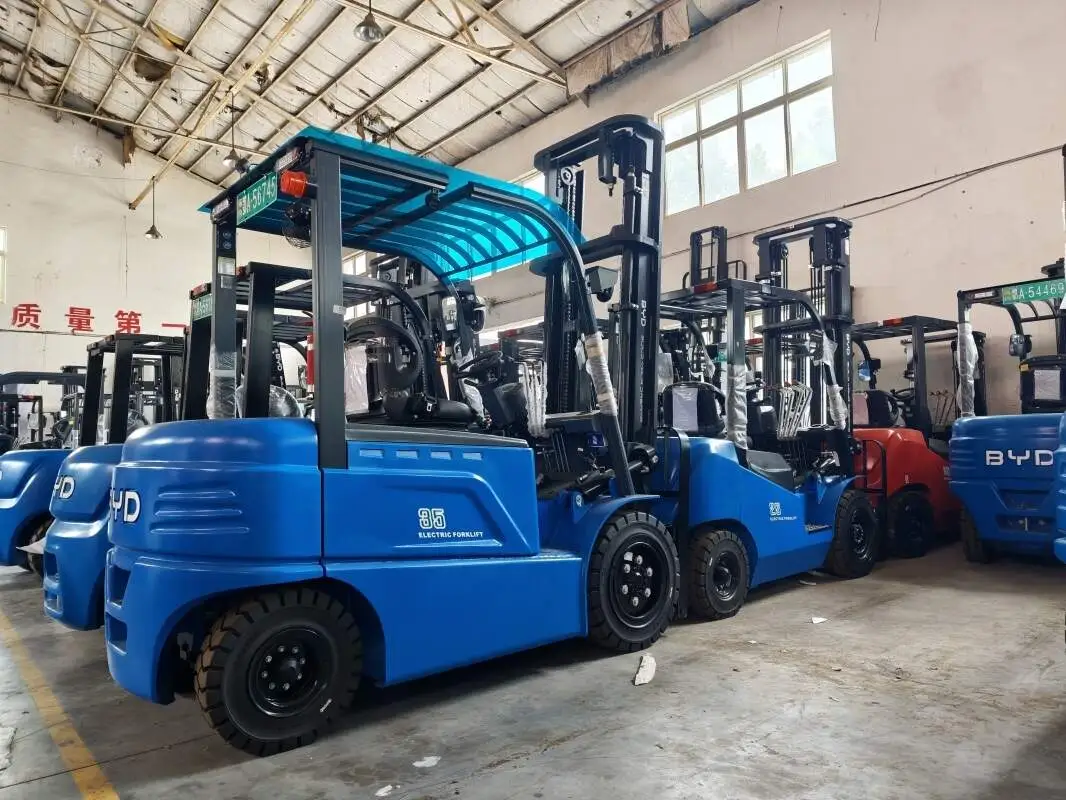
electric forklifts are indispensable tools in warehouses, distribution centers, and manufacturing facilities, streamlining material handling operations. However, their power and size also create inherent risks that can lead to workplace injuries if not properly managed. Understanding the high-risk areas associated with electric forklifts is the first step toward creating a safer work environment.
The operator control area is one of the primary zones for potential injury risks. Misoperation of steering wheels, brake pedals, or lift controls can result in sudden stops, collisions, or accidental elevation of loads. Poorly maintained control systems, such as unresponsive brakes or sticky accelerator pedals, amplify these dangers. Additionally, the operator’s limited field of view, especially when carrying tall loads, can lead to collisions with racks, equipment, or nearby workers. To reduce risks, operators should undergo regular training to master control functions, and facilities must schedule routine inspections of all control components to ensure they function correctly.
Load handling zones present another critical set of hazards. Overloading forklifts or improperly securing loads can cause instability, leading to tip-overs. Even properly loaded forklifts can become unbalanced when navigating sharp turns or uneven surfaces, putting both the operator and bystanders at risk. Falling objects from unsecured loads are also a common cause of injuries, ranging from minor cuts to severe head trauma. Safety protocols here include verifying load weights against the forklift’s capacity rating, using strapping or pallets to secure items, and avoiding sudden movements when transporting cargo.
Maintenance and repair areas are often overlooked but carry significant injury risks. Electric forklifts rely on high-voltage batteries and hydraulic systems, which can pose electrocution or fluid exposure hazards if not handled correctly. Technicians working on these components may face risks from unexpected battery discharges or hydraulic leaks. Lockout/tagout procedures are essential to prevent accidental activation of forklifts during maintenance. Additionally, technicians should wear appropriate personal protective equipment (PPE), such as insulated gloves and safety goggles, when working on electrical or hydraulic parts.
Pedestrian-forklift interaction zones, such as narrow warehouse aisles or crosswalks, are also high-risk areas. Forklifts have limited maneuverability in tight spaces, and operators may not see pedestrians in time to avoid collisions. Pedestrians, on the other hand, may underestimate the forklift’s speed or stopping distance. To mitigate these risks, facilities should clearly mark pedestrian walkways, install warning signs at intersection points, and enforce speed limits for forklifts in high-traffic areas. Regular training for both operators and pedestrians on safe interaction practices is also crucial.
By addressing these key high-risk areas, employers can significantly reduce the likelihood of forklift-related injuries. Regular safety audits, ongoing training programs, and strict adherence to operational protocols are essential components of a comprehensive forklift safety strategy. Prioritizing safety not only protects workers but also enhances operational efficiency by minimizing downtime caused by accidents.