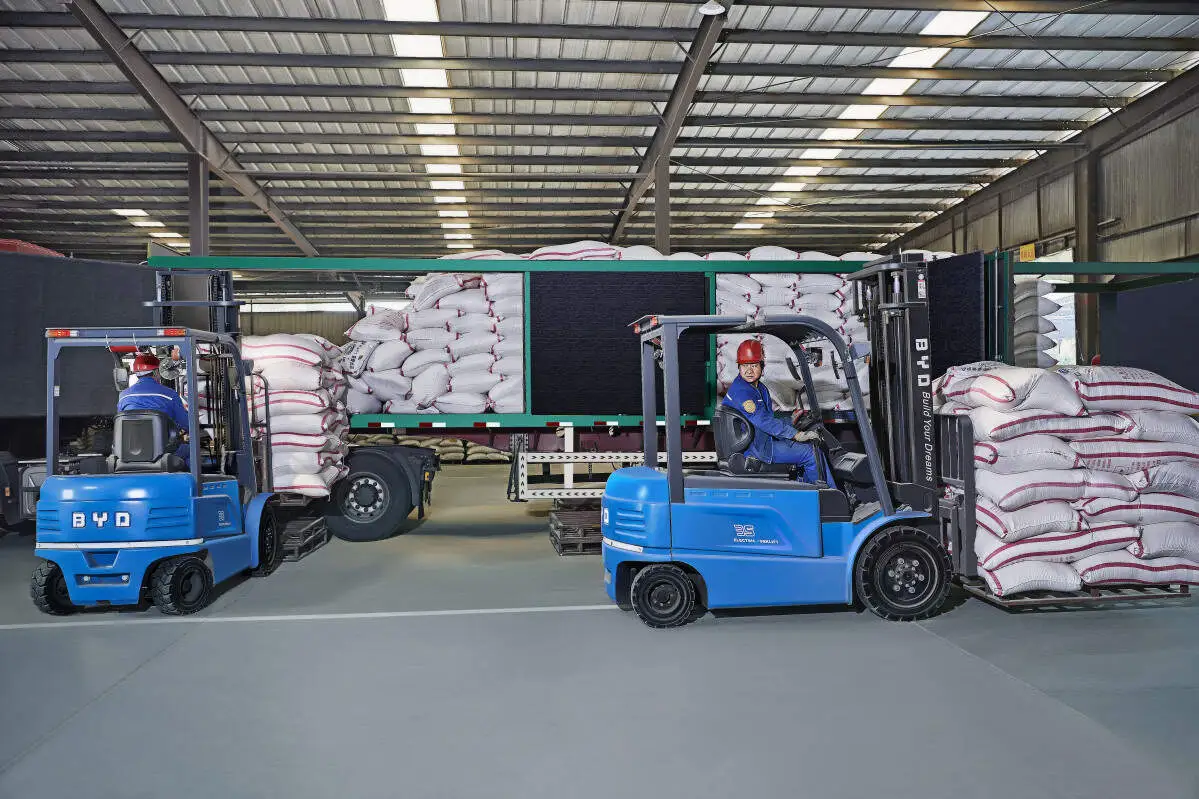
Investing in a new forklift is a significant decision for any business, as it directly impacts operational efficiency, safety, and long-term cost management. When considering a new Clark forklift, taking the time to evaluate key areas ensures you select a model that aligns with your specific operational needs and delivers reliable performance over time.
First, focus on performance specifications tailored to your work environment. Start by assessing the load capacity: determine the maximum weight your operations typically handle, ensuring the forklift can safely lift and transport these loads without straining its components. Next, evaluate the lift height—if your facility uses high storage racks, the forklift must reach the required vertical clearance to access upper shelves. Additionally, consider the power source: electric models are ideal for indoor settings due to zero emissions, while fuel-powered options may suit outdoor, heavy-duty applications where refueling is more convenient. Matching these specs to your daily tasks prevents underutilization or overexertion of the equipment.
Safety features are non-negotiable when purchasing any forklift. Begin by checking mandatory safety components such as seat belts, which are essential to protect operators during sudden stops or potential tip-overs. Look for integrated backup alarms and obstacle detection systems that alert nearby personnel to the forklift’s presence, reducing collision risks in busy workspaces. Anti-tip stability systems are also crucial, especially if your operations involve working on uneven surfaces or ramps. Additionally, assess the visibility from the operator’s cabin—unobstructed views of the load, forks, and surrounding area help operators navigate safely and avoid accidents.
Maintenance accessibility is another key factor to minimize downtime and repair costs. Inspect how easily critical components like filters, batteries, and hydraulic systems can be accessed for routine checks and replacements. Opt for models with modular designs that allow quick part swaps, as this reduces the time spent on maintenance tasks. Also, inquire about the availability of service manuals and technical support from the supplier—having access to clear guidelines and expert assistance ensures your team can address minor issues promptly without relying on external technicians for every repair.
Operational efficiency directly affects your bottom line, so prioritize features that enhance productivity and reduce energy costs. For electric forklifts, check the battery life and charging time to ensure it can handle a full work shift without interruptions. Evaluate the steering and maneuverability of the forklift—models with responsive controls make it easier to navigate tight aisles, which is essential for warehouse operations. Operator comfort is also important: adjustable seats, ergonomic controls, and reduced vibration help minimize fatigue during long shifts, allowing operators to maintain focus and efficiency throughout the day.
Finally, verify that the forklift complies with local industry safety standards and regulations. Ensure the model has undergone necessary testing and holds relevant certifications, which not only keeps your operations compliant but also guarantees that the equipment meets established safety and performance benchmarks. Non-compliant equipment can lead to fines, operational disruptions, and increased liability in case of accidents.
By thoroughly evaluating these key points before purchasing a new Clark forklift, you can make an informed decision that aligns with your operational requirements, enhances workplace safety, and delivers long-term value for your business.