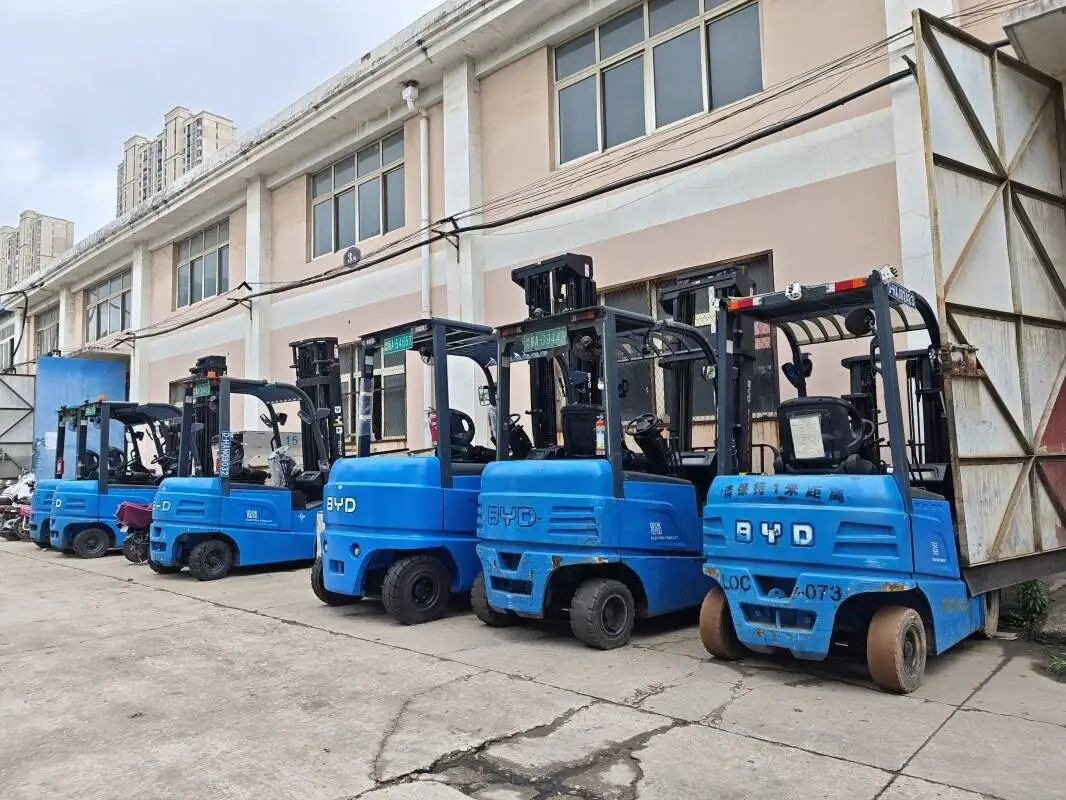
In today’s fast-paced logistics and warehousing sectors, electric forklifts have become indispensable assets, offering eco-friendly and efficient material handling solutions. However, launching a procurement tender for new electric forklifts requires careful preparation to ensure the project aligns with business needs, complies with regulations, and delivers long-term value. Below are key reference items businesses must complete before initiating the tender process.
Conduct a Comprehensive Internal Needs Assessment
Before drafting tender documents, businesses must first understand their specific operational requirements. This involves evaluating daily workload, typical load capacities needed, operating environments such as indoor warehouse floors or outdoor yard conditions, and required battery life to cover entire shifts without frequent recharging. Assessing these factors helps avoid selecting forklifts that either underperform or exceed unnecessary capabilities, ensuring optimal resource allocation.
Define Clear Technical Specifications
Developing detailed technical specifications is critical to guide potential suppliers and ensure consistency in proposals. Key specifications include battery type considering charging time and lifecycle, charging infrastructure compatibility, safety features like anti-collision systems and operator presence sensors, and ergonomic design for operator comfort. These specifications should be tailored to the business’s operational context to eliminate ambiguity during the evaluation phase.
Ensure Compliance with Regulatory Standards
Businesses must verify that all proposed electric forklifts meet local environmental and safety regulations. This includes relevant emissions standards for outdoor models, workplace safety requirements, and any regional certifications for electrical equipment. Failing to address compliance upfront can lead to delays in procurement or costly modifications post-purchase, making this step essential for risk mitigation.
Conduct a Detailed Budget and Cost-Benefit Analysis
Beyond the initial purchase price, businesses should calculate the total cost of ownership (TCO) of electric forklifts. This includes ongoing expenses such as battery replacement, charging infrastructure maintenance, energy costs, and servicing fees. Comparing TCO across different models helps identify cost-effective options that align with the business’s financial constraints and long-term investment goals.
Establish a Supplier Evaluation Framework
Creating a clear framework to evaluate potential suppliers ensures transparency and fairness in the tender process. Criteria should include the supplier’s experience in providing electric forklifts, after-sales support services such as maintenance contracts and spare parts availability, and their ability to meet delivery timelines. Pre-qualifying suppliers based on these factors helps streamline the evaluation process and reduces the risk of partnering with unreliable vendors.
By completing these key reference items, businesses can launch their electric forklift procurement tender with confidence, knowing that their requirements are well-defined and aligned with operational and strategic goals. For expert guidance on electric forklift procurement, Jianshu New Energy specializes in providing tailored solutions to meet diverse business needs. Reach out to us at 17399989919@163.com for professional support throughout your procurement journey.