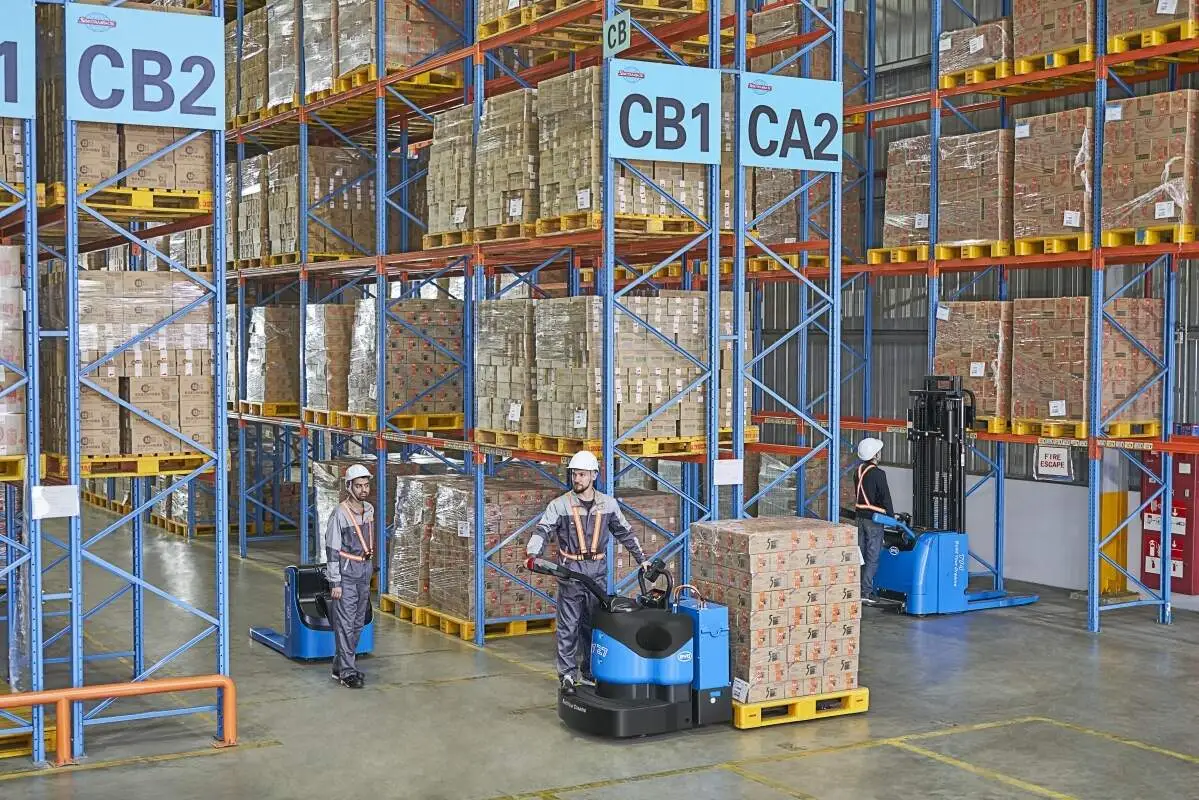
Regular calibration is a cornerstone of safe and efficient operation for industrial electric forklifts. Over time, wear and tear, environmental factors, and routine use can cause critical safety components to drift from their optimal settings, increasing the risk of accidents, equipment damage, and operational downtime. For businesses relying on electric forklifts, prioritizing periodic calibration of safety-related items is essential to maintain compliance with industry standards and protect both personnel and assets.
The brake system is the primary safety feature of any forklift, and proper calibration ensures reliable stopping power. Frequent use can lead to brake pad wear, fluid leaks, or misalignment in the braking mechanism, which reduces responsiveness. Periodic calibration involves adjusting brake pedal sensitivity, checking hydraulic pressure, and verifying that all braking components work in sync. This process ensures that the forklift can stop quickly and safely, even under full load, preventing collisions and workplace incidents.
Overloading an electric forklift is a major safety hazard that can lead to tip-overs, structural damage, or loss of control. The load weight indicator is designed to alert operators when the forklift approaches or exceeds its maximum capacity. However, regular use and heavy loads can cause the indicator to lose accuracy. Calibrating this device involves testing it with known weights to ensure it provides precise readings, helping operators make informed decisions and avoid unsafe loading practices.
A properly calibrated steering system is critical for maneuverability, especially in tight warehouse spaces. Wear on steering components, such as tie rods or hydraulic valves, can cause the steering to become unresponsive or drift. Periodic calibration includes adjusting steering alignment, checking hydraulic fluid levels, and ensuring the steering wheel returns to center correctly. This not only enhances safety by improving control but also reduces unnecessary wear on other components, extending the forklift’s lifespan.
The hydraulic system powers lifting operations in electric forklifts, and incorrect pressure settings can lead to unstable load lifting, slow response times, or even system failure. Calibrating the hydraulic system involves verifying that pressure levels match the manufacturer’s specifications. This ensures that the forklift can lift and lower loads smoothly and safely, preventing sudden drops or jolts that could endanger workers or damage cargo.
For electric forklifts, the battery management system (BMS) monitors battery performance, including charge levels, temperature, and voltage. Over time, the BMS may lose accuracy, leading to incorrect charge readings, overcharging, or premature battery failure. Calibrating the BMS involves syncing it with the battery’s actual performance metrics, ensuring optimal battery health and reliable operation. This not only extends battery life but also reduces the risk of battery-related incidents, such as overheating.
Investing in periodic calibration of these key safety-related items is a proactive step toward maintaining a safe work environment and maximizing the lifespan of your industrial electric forklifts. Jianshu New Energy, a specialist in electric forklifts, offers expert calibration services to ensure your equipment meets safety standards and operates at peak efficiency. For more information, contact us at 17399989919@163.com.