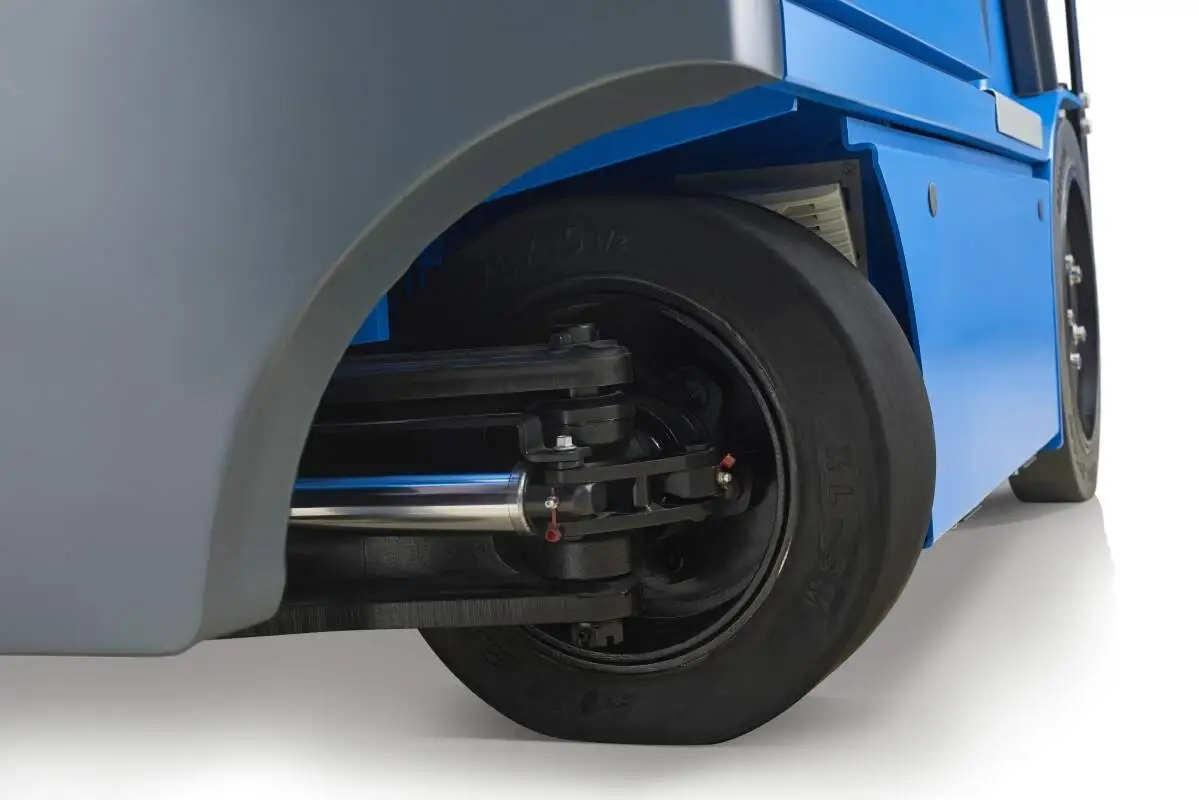
When it comes to powering electric forklifts, the choice between lithium-ion and lead-acid batteries is a critical decision that impacts operational efficiency, costs, and long-term sustainability. Both battery types have distinct characteristics tailored to different warehouse and industrial needs, so understanding their differences is key to making the right choice for your fleet.
Lithium-ion batteries stand out for their fast charging capabilities. Unlike lead-acid batteries, which often require 8-10 hours of charging plus additional cooling time, lithium-ion models can reach 80% charge in as little as 1-2 hours. This means minimal downtime for forklifts, allowing for continuous operation during shifts—ideal for high-demand environments with tight schedules. Additionally, lithium-ion batteries maintain consistent power output throughout their discharge cycle, ensuring steady forklift performance even as the battery depletes. Lead-acid batteries, by contrast, experience a gradual drop in power as they lose charge, which can affect lifting capacity and maneuverability toward the end of a shift.
In terms of lifespan, lithium-ion batteries typically last 2-3 times longer than lead-acid batteries. While a lead-acid battery might need replacement after 1,500-2,000 charge cycles, lithium-ion batteries can handle 3,000-5,000 cycles or more with proper care. Maintenance requirements also differ significantly. Lead-acid batteries demand regular upkeep: checking water levels, cleaning corrosion from terminals, and ensuring proper ventilation to prevent gas buildup. These tasks add to labor costs and downtime. Lithium-ion batteries, on the other hand, are virtually maintenance-free, with no need for water refills or terminal cleaning, reducing operational overhead over time.
Initial costs are a major consideration. Lithium-ion batteries have a higher upfront price compared to lead-acid options, which can be a barrier for small businesses. However, when calculating total cost of ownership, lithium-ion batteries often prove more cost-effective in the long run due to their longer lifespan, lower maintenance costs, and higher energy efficiency. They also have a smaller environmental footprint. Lead-acid batteries contain toxic materials like lead and sulfuric acid, requiring careful disposal or recycling to avoid environmental harm. Lithium-ion batteries are more recyclable, and their higher energy density means fewer batteries are needed to power the same fleet, reducing overall waste.
So, what battery type does a forklift use? The answer depends on your specific operational needs. If you prioritize short charging times, low maintenance, and long-term cost savings, lithium-ion batteries are an excellent choice. For businesses with lower usage and a tighter upfront budget, lead-acid batteries might still be a viable option. For expert guidance on choosing the right battery for your electric forklift, reach out to Jianshu New Energy, a specialist in BYD electric forklifts. You can contact us at 17399989919@163.com for personalized advice and solutions tailored to your fleet requirements.