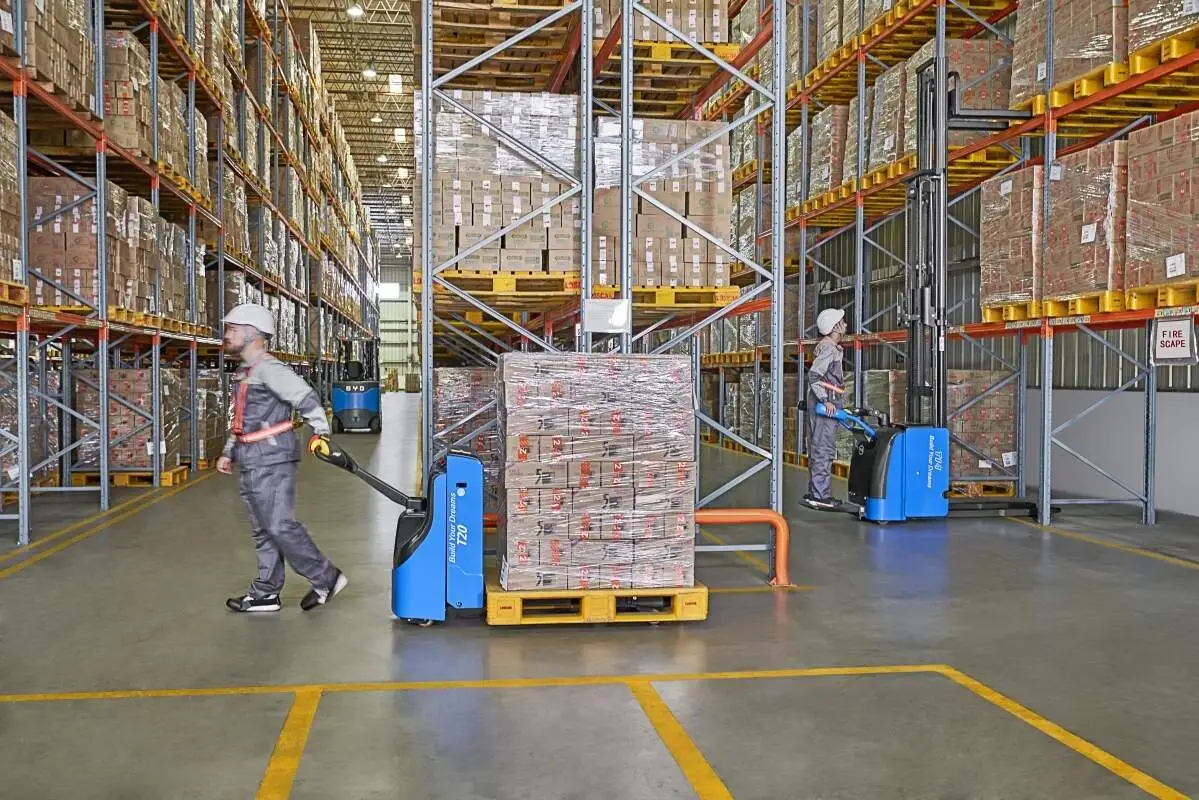
Load capacity data is a foundational element of safe and efficient skid steer forklift operation, serving as a benchmark for avoiding equipment damage and workplace incidents. To fully leverage this data, it’s essential to understand the key components that define a skid steer forklift’s load-bearing capabilities.
First, static vs. dynamic load capacity must be distinguished. Static load capacity refers to the maximum weight the forklift can support when stationary, usually measured at a specified load center distance from the front of the forks. Dynamic load capacity, on the other hand, applies when the forklift is in motion—traveling, turning, or lifting—and is typically lower than static capacity to account for momentum and stability challenges.
Several factors directly impact these capacity figures. The skid steer’s base weight and optional counterweights play a significant role; a heavier base enhances stability, allowing for higher load capacities. Fork length is another critical variable: longer forks extend the load center, reducing the maximum weight the forklift can safely carry, even if the base capacity is high. Additionally, ground conditions matter—uneven or soft surfaces can compromise stability, requiring operators to reduce loads below the rated capacity to maintain safety.
Proper interpretation of load capacity data involves more than just reading a number. Manufacturers provide these figures based on standardized test conditions, including flat, firm ground, optimal tire pressure, and a centered load. In real-world operations, deviations from these conditions mean operators must adjust their load limits accordingly. For example, operating on a slope requires further load reduction to prevent tipping, as the center of gravity shifts with the incline.
Adhering to load capacity guidelines also requires regular equipment maintenance. Worn forks, faulty hydraulic systems, or uneven tire pressure can alter the forklift’s stability and actual load-bearing ability, making rated data less reliable. Routine inspections help ensure that the equipment operates as intended, keeping capacity figures accurate.
Training is equally important. Operators must be educated on how to read load capacity labels, calculate adjusted limits for specific conditions, and recognize signs of overloading, such as excessive sway, slow lifting, or unusual engine strain. This knowledge helps prevent accidents and extends the lifespan of the skid steer forklift.
In summary, understanding skid steer forklift load capacity data is about more than memorizing numbers—it’s about recognizing the contextual factors that influence safe operation. By accounting for static and dynamic capacities, equipment variables, environmental conditions, and proper maintenance, operators can ensure efficient, incident-free material handling in any work setting.