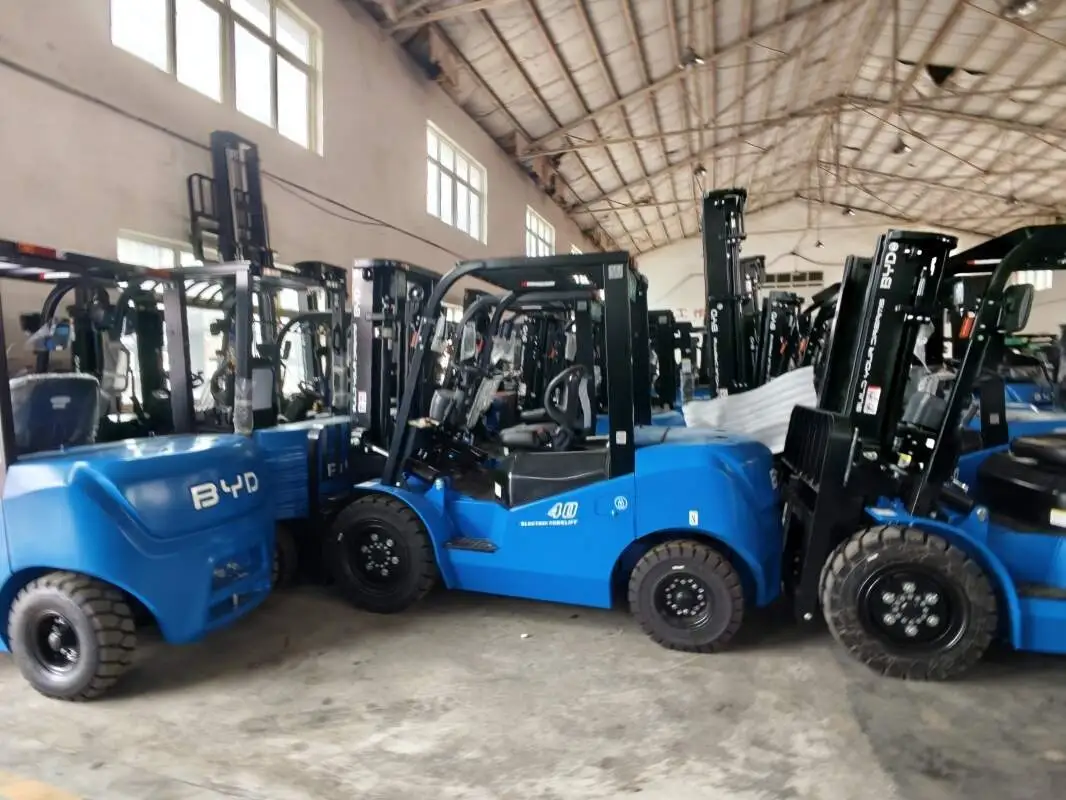
Extended forklift fork arms are widely used in material handling operations to lift longer or bulkier loads that standard forks cannot accommodate. However, their extended length introduces unique load capacity considerations that operators must understand to avoid equipment damage, accidents, and workplace injuries.
Rated Load Capacity by Extension Length
The first critical guideline is to recognize that load capacity decreases as fork arm length increases. Every set of extended forks comes with a manufacturer’s rated load capacity for specific extension lengths. Extending forks beyond their recommended length can reduce the safe load limit significantly, depending on the equipment model. Operators must refer to the official equipment documentation to confirm the exact load limit for the current extension setting, never assuming standard fork capacities apply.
Pre-Operational Inspections
Before using extended fork arms, a thorough pre-operation inspection is mandatory. Check for signs of wear, such as cracks, bends, or corrosion on the fork tines and extension mechanisms. Ensure that extension locking pins are securely engaged to prevent accidental retraction during lifting. Additionally, inspect the forklift’s hydraulic system to confirm it can support the intended load without leaks or performance issues. Skipping these checks can lead to sudden fork failure or load instability.
Proper Load Distribution
Correct load distribution is essential to maintain stability when using extended forks. The load’s center of gravity must remain within the forklift’s specified load center range, which is often narrower for extended arms. Avoid placing heavy items at the extreme end of the forks, as this shifts the center of gravity outward and increases tipping risk. If handling uneven loads, adjust their position to balance weight evenly across both forks, and consider using load stabilizers if necessary.
Adjusted Operational Practices
Operating a forklift with extended forks requires modified driving and lifting habits. Reduce travel speed to account for increased length and reduced maneuverability, especially when navigating tight spaces or turning. Avoid sudden starts, stops, or sharp turns, as these movements can cause load shifts or forklift tipping. When lifting loads, keep forks as low as possible during travel, and never lift loads higher than necessary for the task.
Regular Maintenance and Testing
To ensure ongoing safety and performance, extended fork arms require regular maintenance. Schedule periodic inspections by qualified technicians to check structural integrity, wear on moving parts, and proper alignment. Additionally, conduct annual load testing to verify forks can still support their rated capacity. Document all maintenance and testing activities to comply with workplace safety regulations and track the forks’ condition over time.
By adhering to these load capacity guidelines, operators can maximize the benefits of extended forklift fork arms while minimizing risks. Safe operation protects workers and equipment, and improves operational efficiency by reducing downtime from accidents or equipment failures.