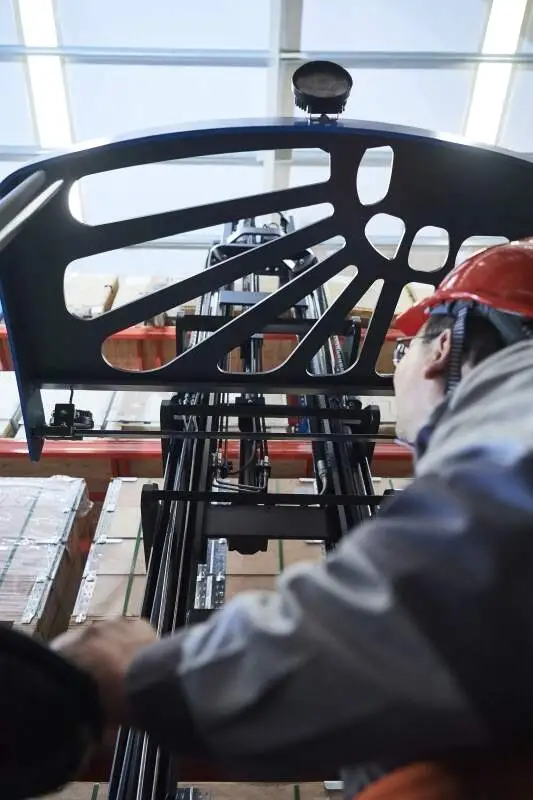
In modern industrial material handling, electric forklifts play a pivotal role in optimizing warehouse and logistics workflows. However, improper load distribution and subsequent overload pose significant safety risks, including forklift tipping, structural damage, and workplace injuries. Adhering to proven load distribution principles is critical to mitigating these risks and ensuring safe, efficient operations. As a professional in electric forklift solutions, Jianshu New Energy, specializing in BYD electric forklifts, emphasizes these principles to help businesses maintain operational safety.
1. Know Your Forklift’s Rated Capacity
Every electric forklift has a specified rated capacity, determined by its design including the standard 24-inch load center distance from the fork face. Even slight overloading can shift the forklift’s center of gravity beyond stable limits, raising tipping hazards. Always refer to the forklift’s data plate for accurate capacity details, and never rely on visual assessments to assume higher load tolerance.
2. Distribute Load Weight Uniformly
Uneven load distribution is a top cause of overload-related incidents. When placing goods on forks, spread weight evenly across the entire fork length. Position heavy items as close to the mast as possible, aligning with the load center. For mixed-weight loads, place heavier items at the bottom and lighter ones on top to keep the center of gravity low and stable. Avoid concentrating weight on one side of the pallet or forks, as this can create imbalance even if total weight stays within rated capacity.
3. Secure Loads to Prevent Shifts
During handling, loads can shift due to sudden stops, turns, or uneven floors. Such shifts alter the load’s center of gravity, leading to unexpected overload or tipping. Use straps, shrink wrap, or pallet stabilizers to secure loads firmly. Before operating, inspect the load for stability; re-secure any loose items before moving the forklift.
4. Adjust Capacity for Attachments and Elevation
Attachments like side shifters or clamps add extra weight, reducing the forklift’s effective load capacity. Additionally, as forks rise, forklift stability decreases, so maximum safe load diminishes with height. Always factor these variables into load calculations. Consult the forklift manual or a professional to determine adjusted capacity when using attachments or lifting to significant heights.
5. Conduct Pre-Operation Load Checks
Before each shift, inspect both the forklift and intended load. Verify load weight falls within rated capacity, and check for pallet or goods damage that could compromise stability. If unsure about load weight, use a scale for accurate measurement. These simple checks prevent overload incidents before they start.
By following these principles, businesses can cut overload risks, protect personnel and equipment, and boost operational efficiency. For expert guidance on electric forklift safety and tailored solutions, contact Jianshu New Energy at 17399989919@163.com. Our team is dedicated to helping you implement safe, effective electric forklift operations.