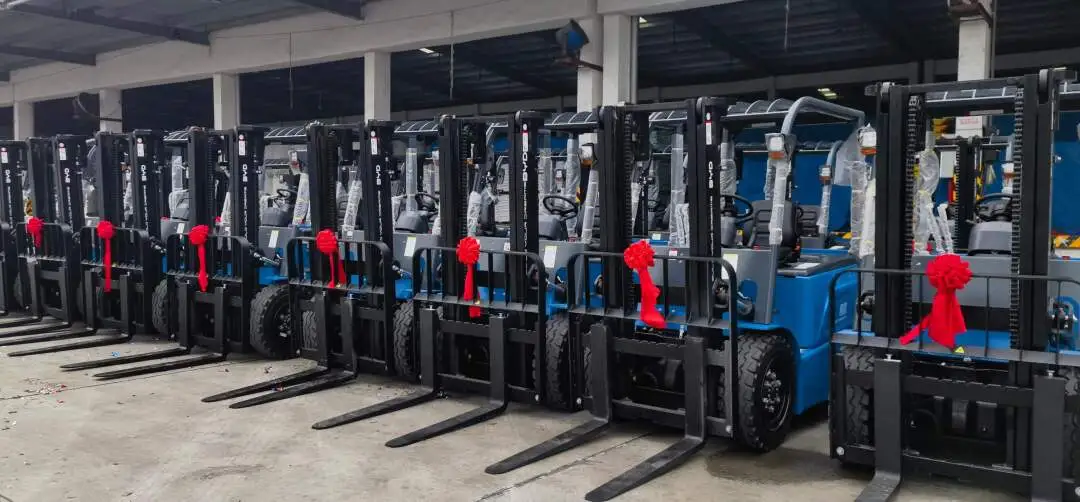
When it comes to streamlining material handling operations in warehouses, choosing the right forklift dump hopper is critical, and local purchases offer unique advantages like faster delivery and accessible support. To make an informed decision, consider the following key tips tailored to local procurement.
Assess Your Warehouse’s Specific Requirements
Before approaching local suppliers, start by defining your warehouse’s exact needs. Evaluate the types of materials you handle—whether they’re loose debris, bulk goods, or heavy components—as this dictates the hopper’s material composition and load capacity. Measure the available space in your warehouse, including aisle widths and storage areas, to ensure the hopper fits seamlessly without disrupting daily operations. Also, consider the frequency of use; high-volume operations may require more durable, wear-resistant hoppers compared to occasional use scenarios.
Verify Supplier Credibility and Product Quality
Local suppliers let you physically inspect products, which is a major benefit over online purchases. Visit supplier showrooms to examine hopper build quality: check the thickness of metal panels, weld strength, and the smoothness of the dumping mechanism. Ask suppliers about their manufacturing processes and quality control measures to ensure the hopper meets industry safety standards. Additionally, seek feedback from other local warehouse operators who have purchased from the same supplier to gauge their satisfaction with product durability and service.
Compare Pricing and Focus on Value
While cost is a factor, avoid making decisions based solely on the lowest price. Request detailed quotes from multiple local suppliers, breaking down costs for the hopper, delivery, and any initial installation services. Consider the long-term value: a slightly pricier hopper made from high-quality materials may require less maintenance and have a longer lifespan, reducing overall operational costs. Some local suppliers may offer package deals, such as regular maintenance services included in the purchase price, which can add significant value over time.
Evaluate After-Sales Support and Maintenance Services
One of the biggest advantages of local purchases is access to prompt after-sales support. Inquire about the supplier’s maintenance and repair services, including response times for emergency issues. Check if they offer readily available replacement parts, as delays in getting parts can halt warehouse operations. Ask about warranty terms—reliable suppliers typically provide a reasonable warranty period covering manufacturing defects, giving you peace of mind post-purchase.
Test Compatibility with Your Existing Forklifts
Before finalizing a purchase, arrange a compatibility test with your warehouse’s forklifts. Local suppliers can bring a sample hopper to your facility or allow you to test it at their location. Ensure the hopper attaches securely to the forklift’s tines and that the dumping mechanism operates smoothly without straining the forklift. This test helps avoid costly adjustments or returns after the purchase, ensuring the hopper integrates seamlessly with your existing equipment.
By following these local purchase tips, you can select a forklift dump hopper that aligns with your warehouse’s needs, enhances operational efficiency, and benefits from the convenience of local support. Taking the time to assess, verify, and test will lead to a more reliable and cost-effective investment for your material handling operations.