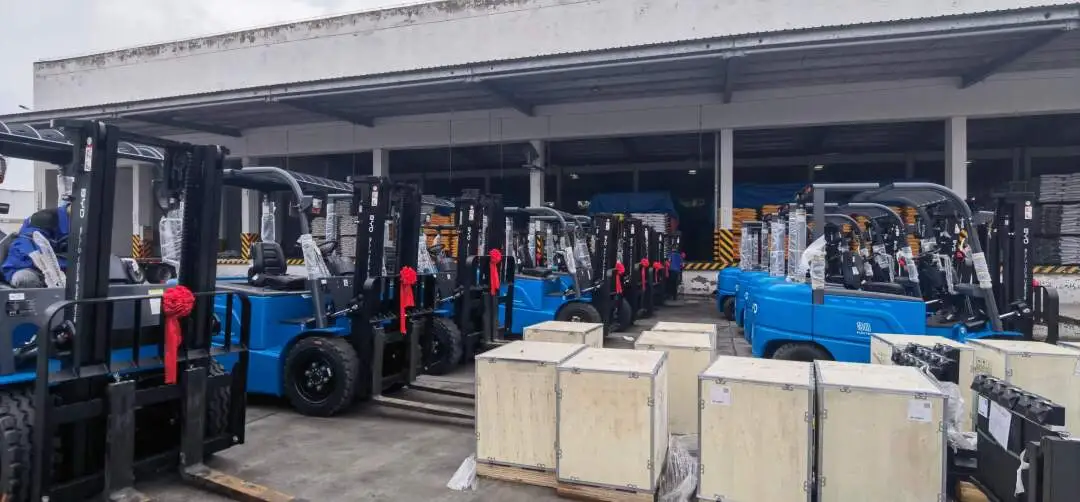
The hydraulic lifting system is a core component of industrial electric forklifts, directly impacting operational efficiency and safety. Consistent lifting speed ensures stable material handling, reduces cargo damage risks, and optimizes daily workflow. Understanding the key factors influencing this consistency is essential for maintaining long-term forklift performance.
First, hydraulic oil condition plays a foundational role. The viscosity of hydraulic oil is highly sensitive to temperature fluctuations: high working temperatures thin the oil, accelerating fluid flow speed, while low temperatures thicken it, slowing down lifting operations. Additionally, oil contaminated with debris, water or sediment can clog valves and filters, disrupting uniform fluid distribution across the system. Regular oil quality checks and scheduled replacements are necessary to preserve optimal flow characteristics.
Second, wear and tear of hydraulic components often leads to inconsistent lifting speeds. Over prolonged use, internal parts of hydraulic pumps may experience wear, causing internal leaks that reduce pressure and flow rate. Worn control valves may fail to regulate fluid flow accurately, resulting in uneven or jerky lifting movements. Damaged seals in hydraulic cylinders can also cause pressure loss, making the lifting process unstable across different height stages. Routine inspections of pumps, valves, and cylinders help detect early signs of wear before they escalate.
Third, the precision of the electric control system directly affects lifting speed consistency. Electronic sensors monitoring load weight, lifting height, and hydraulic pressure must deliver accurate, real-time data to the control unit. Signal delays or measurement errors can lead to improper adjustment of hydraulic flow. Responsive solenoid valves are also critical; slow valve response can cause speed fluctuations as the system adapts to changing operational conditions.
Fourth, load variations and distribution impact lifting speed stability. Lifting heavy loads requires higher hydraulic pressure, which may slow down the lifting process compared to light loads. Unevenly distributed cargo can shift the forklift’s center of gravity, forcing the hydraulic system to compensate unevenly, leading to inconsistent speed during lifting. Operators should prioritize proper load balancing to minimize this effect.
Jianshu New Energy specializes in BYD electric forklifts, offering professional guidance on maintaining hydraulic system performance. Our team has extensive experience in diagnosing and resolving issues related to lifting speed consistency. For more information or technical support, please contact us at 17399989919@163.com. Regular maintenance and timely component replacement can significantly enhance your electric forklift’s hydraulic lifting speed consistency, ensuring reliable and efficient daily operations.