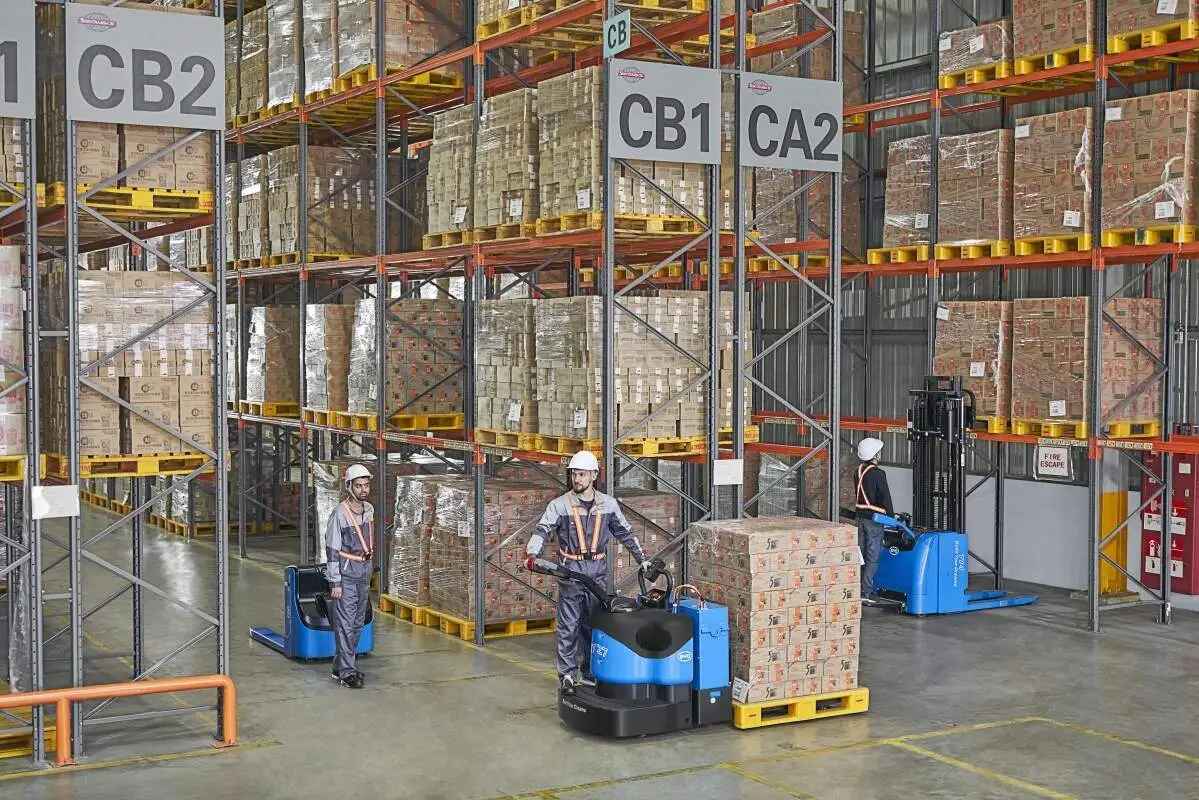
Understanding the core components of electric forklifts is fundamental for efficient operation, maintenance, and troubleshooting. This breakdown reference serves as a practical guide for anyone studying general electric forklift equipment, offering clear insights into key parts and their critical functions.
The power system acts as the heart of an electric forklift, comprising a high-capacity rechargeable battery and an electric traction motor. The battery stores electrical energy to fuel the entire vehicle, with proper care—including regular charging cycles and electrolyte level checks—being vital to extend its lifespan and ensure consistent performance. The traction motor converts electrical energy into mechanical power, controlling acceleration and speed to adapt to various warehouse environments, from narrow aisles to open loading docks.
Next, the lift system enables safe load handling, featuring the mast, hydraulic cylinders, lift chains, and forks. The mast is a vertical assembly that supports the forks, extending and retracting to adjust load height according to operational needs. Hydraulic cylinders use fluid pressure to generate the force required to lift heavy loads smoothly, while lift chains connect the cylinders to the forks, ensuring synchronized movement during lifting and lowering operations. Forks are the primary load-bearing components, engineered to slide under pallets securely and transport items without shifting.
The control and steering system governs the forklift’s maneuverability and operational precision. The steering wheel allows operators to navigate tight spaces with ease, while ergonomically designed control levers manage lift, tilt, and attachment functions. A hydraulic control valve directs fluid flow to the lift and tilt cylinders, translating lever movements into accurate mechanical actions that enhance safety and reduce operator fatigue during long shifts.
Reliable braking is non-negotiable for safe forklift operation, especially when carrying heavy loads. The brake system typically includes responsive hydraulic brake assemblies or electric brakes, paired with a parking brake for secure immobilization. Electric brakes engage automatically as the forklift slows down, while hydraulic brakes provide immediate stopping power. Regular inspections of brake pads, fluid levels, and calipers are necessary to maintain braking efficiency and prevent workplace accidents.
Finally, the chassis and undercarriage form the structural foundation of the forklift, supporting all other components. The frame distributes weight evenly across the vehicle, ensuring stability during load handling. Wheels consist of drive wheels and steer wheels, fitted with durable tires designed for smooth movement on concrete floors and warehouse surfaces. The suspension system absorbs shocks from uneven terrain, improving ride comfort and protecting sensitive internal components from damage.
Whether you’re training to operate an electric forklift, performing routine maintenance, or studying equipment design, mastering these core parts is essential. For professional guidance on reliable electric forklift solutions, you can reach out to Jianshu New Energy via email at 17399989919@163.com. We specialize in providing tailored electric forklift products and support to meet diverse operational requirements.