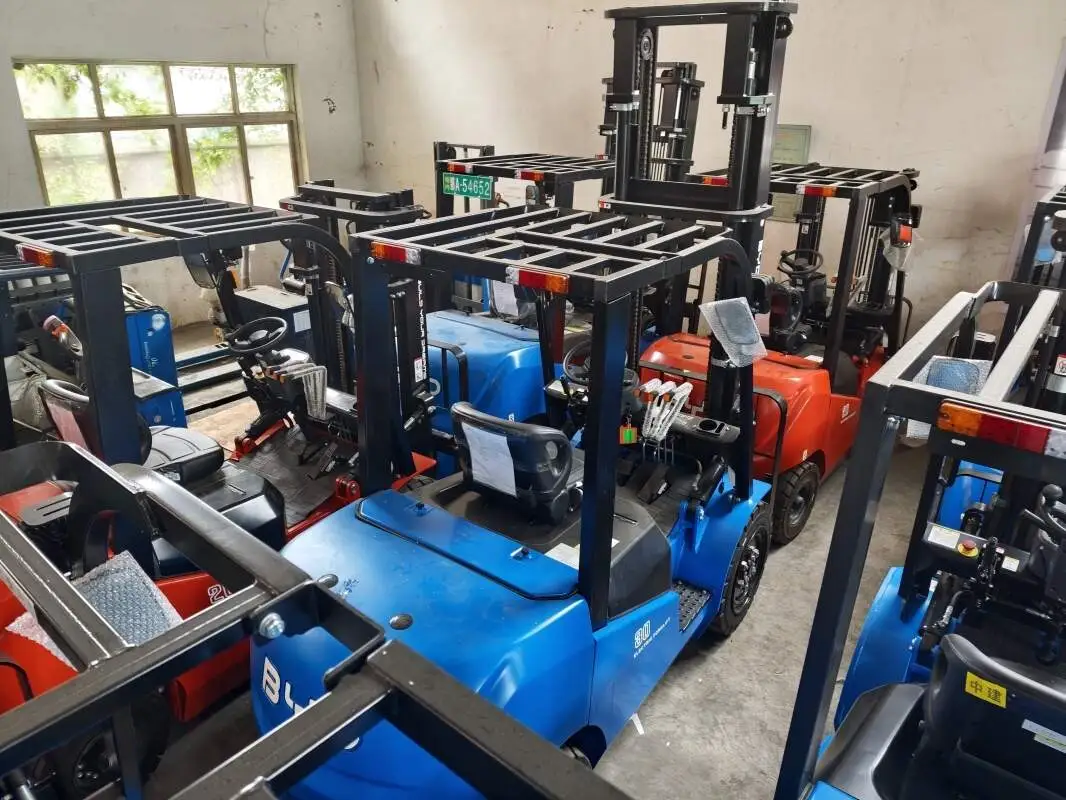
Elevated access tasks in warehouses, construction sites, and industrial facilities often rely on forklift-mounted man lift basket attachments to reach high areas efficiently. While these tools offer practicality, improper use can lead to serious safety incidents. Following strict safety guidelines is critical to protect workers and maintain operational integrity.
Pre-Operation Inspection
Before any elevated task, a comprehensive pre-use check is non-negotiable. Start by examining the man lift basket itself: inspect for cracks, bent frames, or damaged flooring that could compromise structural integrity. Verify that safety railings are secure and free of debris. Next, inspect the forklift’s hydraulic system, ensuring there are no leaks or unusual noises. Check the attachment points where the basket connects to the forklift—confirm bolts, pins, and locking mechanisms are tight and in good condition. Additionally, assess the work area: clear any obstacles, check for uneven ground that could affect forklift stability, and ensure overhead clearance is sufficient to avoid collisions with ceilings or overhead structures.
Safe Operation Practices
During operation, prioritize stability and controlled movement. Never move the forklift while workers are in the elevated basket; always bring the basket to ground level before repositioning the vehicle. Operate the forklift at slow, steady speeds when lifting or lowering the basket, avoiding sudden jerks that could cause falls. Maintain a safe distance from edges, drop-offs, and heavy machinery. Only allow trained, authorized personnel to operate the forklift and man lift system. Ensure the operator maintains constant communication with the worker in the basket using clear hand signals or two-way radios, as visual contact may be limited at height.
Worker Protection Measures
Workers in the man lift basket must wear appropriate personal protective equipment (PPE) at all times. This includes a full-body harness securely attached to a designated anchor point within the basket—never attach the harness to the forklift or external structures. Non-slip footwear is essential to prevent slips on the basket floor, while hard hats protect against falling objects. Workers should also receive thorough training on safe work practices, emergency procedures, and how to recognize potential hazards. Never exceed the basket’s weight capacity, as overloading can lead to structural failure or forklift tipping.
Emergency Preparedness
Having a clear emergency plan is vital for managing unexpected situations. Workers should be trained to respond to scenarios such as forklift breakdowns, basket malfunctions, or falls. Keep emergency rescue equipment, such as a rescue ladder or harness retrieval system, readily accessible near the work area. Establish a communication protocol for alerting on-site emergency teams immediately if an incident occurs. Regular drills can help ensure all personnel are familiar with emergency procedures and can act quickly and effectively.
By adhering to these safety guidelines, organizations can minimize the risks associated with using man lift basket attachments on forklifts. Prioritizing pre-operation checks, safe operation, worker protection, and emergency preparedness creates a safer work environment for everyone involved in elevated access tasks.