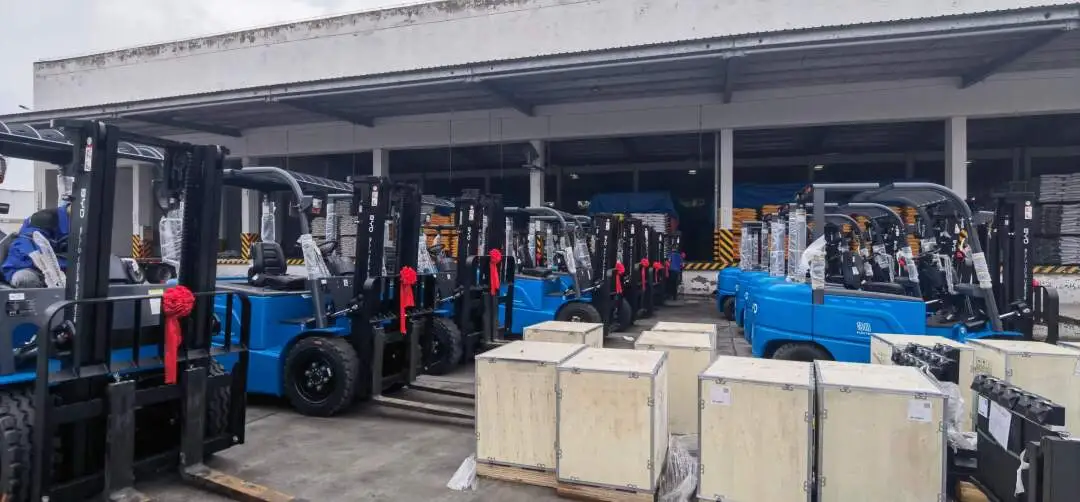
Workplace safety standards play a critical role in ensuring the safe operation of electric forklifts, which are widely used in warehouses, manufacturing facilities and logistics centers. Mandatory inspection frequency is a key component of these standards, designed to prevent equipment failures, reduce accident risks and ensure compliance with regulatory requirements.
Daily pre-shift inspections serve as the foundational layer of electric forklift safety protocols. Before each use, operators must conduct a visual check and basic functional tests. This includes examining the battery for signs of damage or leakage, verifying tire condition and proper pressure, testing brake responsiveness, confirming the functionality of lights and horns, and inspecting the mast and lifting mechanisms for abnormal sounds or excessive wear. These quick checks, often completed in minutes, can identify potential hazards before they escalate into costly accidents or operational disruptions.
Beyond daily checks, weekly inspections require a deeper dive into the forklift’s core components. Trained personnel should inspect hydraulic systems for fluid leaks, assess the steering mechanism for smooth operation, examine seatbelts and other safety restraints for integrity, and test the emergency stop function to ensure it activates reliably. Weekly inspections also involve evaluating the battery’s charging system, as faulty charging can lead to unexpected battery failure or electrical hazards that compromise workplace safety.
Monthly inspections demand a more comprehensive assessment of the electric forklift’s condition. This includes checking the electrical system for loose connections or damaged wiring, inspecting mast chains and rollers for signs of wear, verifying the accuracy of the load capacity label to prevent overloading risks, and assessing the forklift’s overall structural integrity. Additionally, staff should review past inspection records to confirm all previously identified issues have been resolved, and document current findings to maintain a clear compliance trail.
For most regions, quarterly or annual mandatory inspections are required by regulatory bodies. These inspections are typically conducted by certified professionals with specialized knowledge of electric forklift systems. They involve detailed testing of the braking system’s efficiency, hydraulic pressure levels, electrical component functionality, and load-handling capabilities. Annual inspections may also include a thorough review of the forklift’s alignment with the latest workplace safety standards, ensuring that any regulatory updates are integrated into the equipment’s operation and maintenance routines.
Adhering to mandatory inspection frequency is not only a legal obligation but also a strategic investment in worker safety and operational reliability. Businesses that fail to comply may face fines, penalties, or even temporary suspension of operations. To ensure consistent compliance and minimize downtime, many organizations partner with specialized service providers. At Jianshu New Energy, we specialize in electric forklifts and offer comprehensive inspection and maintenance services tailored to meet workplace safety standards. Our team of experts can guide you through each inspection stage, address identified issues promptly, and keep your electric forklifts in optimal operating condition. For more information, feel free to contact us at 17399989919@163.com.