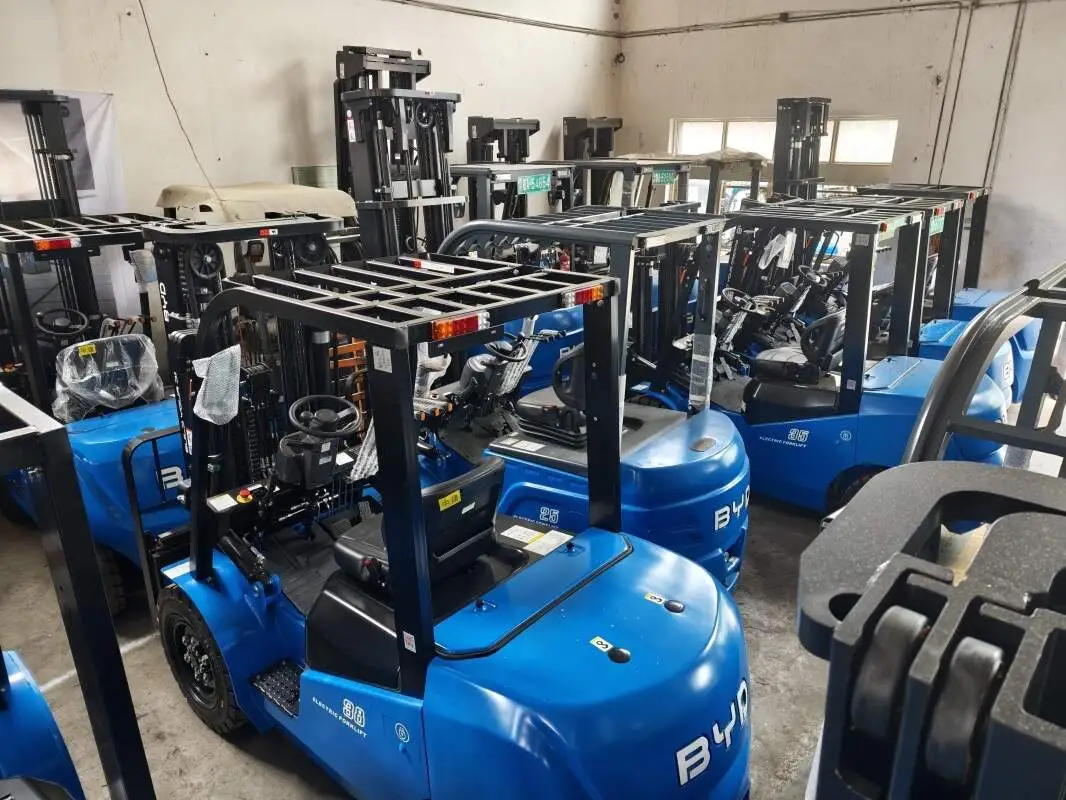
The Indian industrial and logistics sectors have witnessed steady growth in recent years, driving rising demand for electric forklifts as businesses prioritize eco-friendly and efficient material handling solutions. Understanding the key market elements that influence electric forklift prices in India is crucial for both buyers and industry stakeholders to make informed decisions.
Raw material costs stand as one of the primary drivers of electric forklift pricing. Electric forklifts rely heavily on materials like high-grade steel for structural components, and lithium-ion or lead-acid batteries for power. India’s dependence on imported raw materials such as lithium, cobalt, and certain steel grades makes forklift prices vulnerable to global commodity price fluctuations and exchange rate variations. A spike in international raw material costs or a depreciation of the Indian rupee can directly increase manufacturing expenses, which are often passed on to consumers through higher product prices.
Regulatory policies and government initiatives also play a significant role in shaping electric forklift prices in India. The country’s push towards reducing carbon emissions has led to stricter emission norms for industrial vehicles, encouraging the shift from diesel to electric models. Additionally, state and central government subsidies, tax incentives, or rebates for electric vehicles can lower the effective cost for buyers, making electric forklifts more affordable. Conversely, changes in taxation policies, such as increased GST rates on vehicle components, can raise overall pricing, impacting market accessibility.
Demand-supply dynamics further influence electric forklift pricing trends. As e-commerce, manufacturing, and warehousing sectors expand, the demand for material handling equipment like electric forklifts surges, especially during peak seasons such as festival periods or year-end inventory cycles. When demand outpaces supply, manufacturers may adjust prices upwards to balance market needs. On the other hand, increased competition among suppliers, as more players enter the electric forklift market, can lead to price reductions as companies strive to capture market share through competitive pricing strategies.
Technological advancements add another layer to price variations. Electric forklifts equipped with advanced features like lithium-ion batteries (offering longer lifespan and faster charging), smart navigation systems, or automated load handling capabilities come with higher production costs. These premium features cater to businesses seeking enhanced efficiency and productivity, justifying a higher price point compared to basic electric forklift models with standard functionalities.
Logistics and distribution costs also contribute to regional price differences across India. Transporting heavy equipment to remote areas with limited infrastructure involves higher fuel and operational expenses, which are reflected in the final price of electric forklifts in those regions. Additionally, dealer margins and local market conditions can lead to slight price variations between urban centers and rural industrial hubs.
In conclusion, electric forklift prices in India are shaped by a combination of global raw material trends, regulatory changes, demand-supply balances, technological innovations, and local logistics costs. By considering these interconnected market elements, businesses can better anticipate price fluctuations and select electric forklift solutions that align with their operational needs and budget constraints.