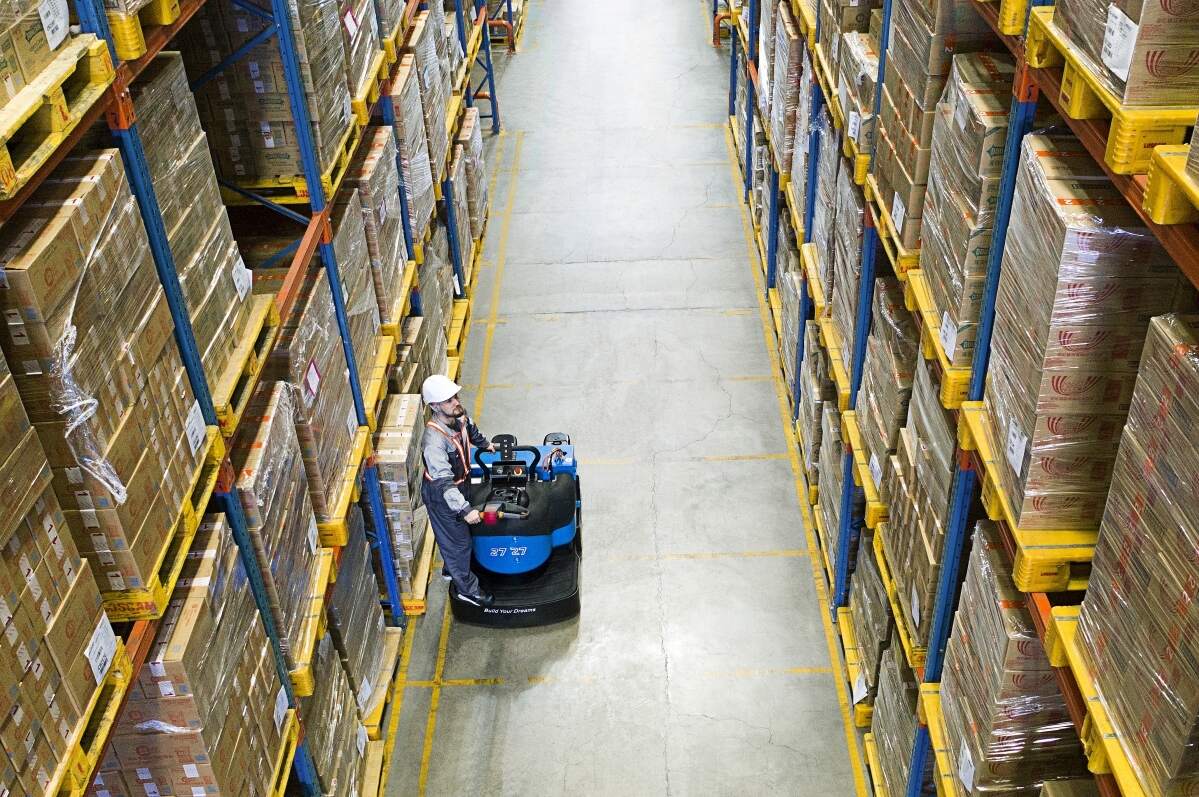
In India’s fast-growing industrial and logistics sectors, forklift equipment serves as a cornerstone for efficient material handling, supporting warehouse operations, manufacturing units, and distribution networks alike. As businesses expand their operations, understanding the market price dynamics of forklifts becomes critical for making cost-effective purchasing choices.
Several core factors shape the pricing of forklift equipment in India. The type of forklift is a primary determinant: counterbalance forklifts, the most widely used model for general-purpose tasks, have a different price bracket compared to specialized variants like reach trucks or pallet jacks. Load capacity also directly impacts cost; forklifts designed to handle heavier weights (3 tonnes and above) require reinforced structures and more powerful engines, leading to higher price points than light-duty models.
Power source is another key influencer. electric forklifts, favored for their low operational costs and eco-friendliness, often carry a higher upfront price than diesel or LPG-powered options. This gap stems from the cost of advanced battery technology and integrated charging systems, though long-term savings on fuel and maintenance can offset the initial investment. Additional features such as ergonomic operator cabins, advanced safety sensors, or compatibility with specialized attachments can further increase the overall cost of a forklift.
When examining specific price ranges, entry-level electric pallet jacks for light warehouse tasks typically start from ₹1.5 lakh to ₹3 lakh. Medium-duty counterbalance forklifts (1-3 tonne capacity) suitable for most industrial operations range between ₹5 lakh and ₹12 lakh. Heavy-duty forklifts with a 5-tonne capacity or more, designed for large manufacturing or port operations, can cost upwards of ₹15 lakh, depending on the power source and customizations. Reach trucks, optimized for high-rise warehouse storage, generally fall in the ₹8 lakh to ₹16 lakh range.
Market trends also affect pricing fluctuations. Government initiatives promoting clean energy have driven demand for electric forklifts, prompting manufacturers to invest in more affordable battery solutions that gradually reduce upfront costs. Local production of forklift components has also helped stabilize prices by cutting import expenses, making equipment more accessible to small and medium-sized enterprises across India.
For businesses considering a forklift investment, it’s essential to align the equipment’s features and capacity with operational needs, balancing upfront costs with long-term maintenance and efficiency. Comparing quotes from multiple suppliers, evaluating after-sales service support, and calculating total lifecycle costs can help secure the best value for money. By understanding these pricing dynamics, businesses can make informed decisions that support their operational goals while adhering to budget constraints.