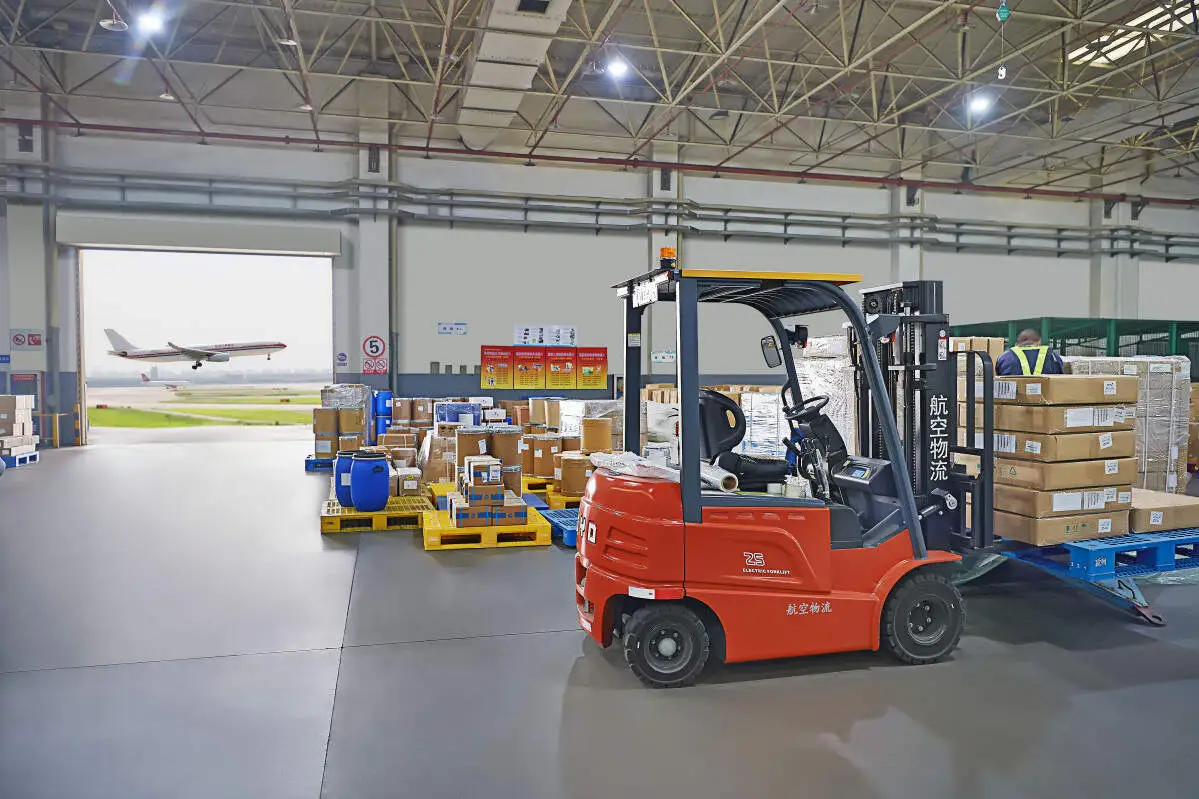
When it comes to commercial procurement of material handling equipment, 4-ton electric forklifts are a popular choice for warehouses, distribution centers, and manufacturing facilities, thanks to their efficiency and low operational emissions. Understanding the market price landscape is critical to making cost-effective, informed purchasing decisions that align with business needs.
Several key factors influence the market price of 4-ton electric forklifts. First, battery technology plays a significant role. Lead-acid batteries are more affordable upfront, typically contributing to a lower base price for the forklift. In contrast, lithium-ion batteries, which offer longer lifespans, faster charging times, and reduced maintenance, can increase the overall cost by a notable margin.
Configuration features also impact pricing. Forklifts with standard lift heights (around 3 to 5 meters) fall into a more accessible price bracket, while models designed for higher lift heights (up to 8 meters or more) or equipped with specialized attachments like side shifters, fork positioners, or clamps will command a premium. Additionally, build quality and materials affect costs; forklifts constructed with heavy-duty steel frames and durable components tend to have higher price points but offer longer service lives.
The current market price range for new 4-ton electric forklifts varies based on the above factors. Basic models with lead-acid batteries and standard configurations generally fall between $18,000 and $25,000. Mid-range options, which may include lithium-ion batteries or enhanced features, can range from $25,000 to $35,000. High-end models with advanced safety systems, extended lift capabilities, and premium battery solutions can cost $35,000 or more.
For businesses looking to reduce upfront costs, used 4-ton electric forklifts are a viable option. Well-maintained units with moderate usage (under 5,000 operating hours) typically range from $10,000 to $20,000, depending on age, battery condition, and remaining service life. However, it’s important to factor in potential maintenance costs and warranty coverage when considering used equipment.
When navigating commercial procurement, it’s essential to assess your specific operational requirements before comparing prices. Consider factors like daily usage hours, required lift height, load types, and warehouse layout to determine the necessary configuration. Additionally, evaluating total cost of ownership (TCO) rather than just upfront price can help identify the most economical option over time. This includes accounting for maintenance costs, battery replacement expenses, energy consumption, and potential downtime.
Finally, engaging with multiple suppliers and requesting detailed quotes allows you to compare prices and value propositions effectively. Ensure that quotes include all relevant costs, such as delivery, installation, and initial training, to avoid unexpected expenses. Taking the time to research market trends and supplier reputations can also help secure a reliable, cost-efficient 4-ton electric forklift that meets your business’s long-term needs.