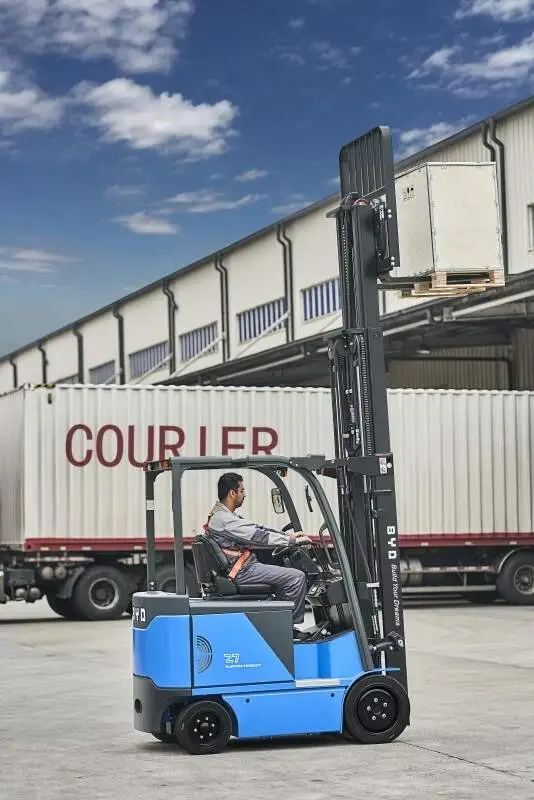
Standard 2 ton warehouse electric forklifts are a core material handling asset for small to mid-sized warehouses, distribution hubs, and manufacturing plants, offering a balance of load capacity, indoor maneuverability, and eco-friendly operation. For businesses planning to invest in this equipment, having a clear market price reference and understanding cost drivers is essential to align purchases with operational needs and budgets.
One of the primary factors shaping the price of standard 2 ton warehouse forklifts is the battery type. Forklifts equipped with lead-acid batteries typically have a lower upfront cost, making them a common choice for businesses with tight initial budgets. However, these batteries require regular maintenance, including water refills and routine inspections, and have a shorter lifespan compared to lithium-ion alternatives. Lithium-ion battery-powered forklifts come with a higher initial price tag but offer longer operational life, faster charging times, and minimal maintenance, translating to lower long-term operational costs.
Configuration and customization options also play a significant role in pricing. A basic standard 2 ton forklift with a standard lift height (usually around 3 to 5 meters) will be more affordable than models with extended lift heights, which are designed for high-rack storage systems. Additional attachments like side shifters, fork positioners, or load backrests can further increase the price, as these features enhance operational efficiency but add manufacturing and installation costs. Businesses should evaluate which features are essential for their daily operations to avoid overpaying for unnecessary additions.
Regional market variations impact pricing as well. In regions with lower labor and material costs, the price of standard 2 ton electric forklifts may be more competitive compared to areas with higher operational expenses. Transportation costs, import duties, and local regulatory requirements can also influence the final price. For example, markets with strict emissions standards may see a slight premium on electric forklifts due to compliance-related manufacturing adjustments.
After-sales support and warranty offerings can affect pricing too. Suppliers that include comprehensive warranties, on-site maintenance services, and readily available replacement parts may charge a slightly higher price. However, this investment can reduce unplanned downtime and repair costs over the forklift’s lifespan, providing better long-term value for businesses.
As a 2024 market reference, standard 2 ton warehouse electric forklifts with lead-acid batteries generally range from $18,000 to $25,000, while lithium-ion powered models typically fall between $28,000 and $38,000. These ranges are estimates and can vary based on the factors outlined above. It’s advisable for businesses to request quotes from multiple suppliers, compare included features and support services, and consider both upfront and long-term costs when making a purchasing decision.
By understanding these key price drivers and the current market range, businesses can make informed choices that meet their material handling needs while staying within budget, ensuring a reliable and cost-effective addition to their warehouse operations.