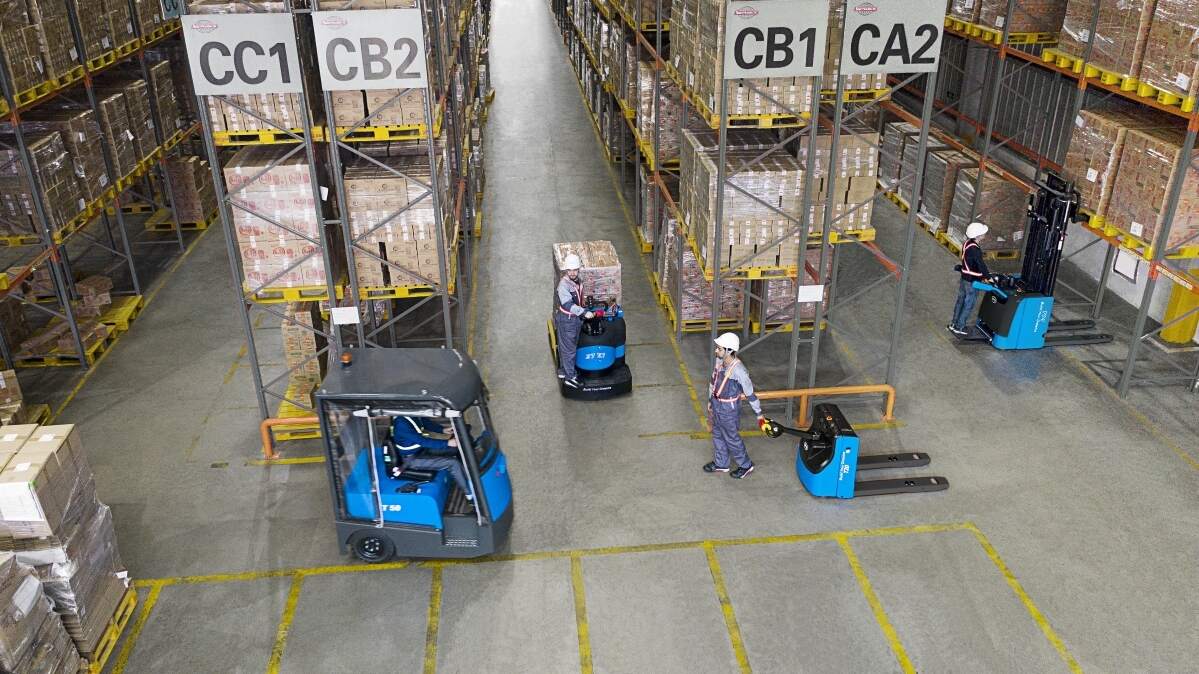
The global demand for electric warehouse forklift equipment has been steadily rising in recent years, driven by growing emphasis on sustainability, reduced operational costs, and stricter emissions regulations in industrial and logistics sectors. Understanding the market reference prices of these machines is critical for businesses looking to invest in material handling solutions that align with their budget and operational needs.
Several key factors influence the market reference prices of electric warehouse forklifts. First, the type of forklift plays a significant role. Counterbalance electric forklifts, designed for heavy-duty load handling in open warehouse spaces, typically have a higher price point compared to narrow-aisle reach trucks, which are optimized for tight storage areas. Stand-up order pickers, used for retrieving items from lower to mid-level shelves, fall into a more mid-range pricing bracket.
Battery technology is another major cost determinant. Lead-acid batteries, which are more established and have a lower upfront cost, contribute to a lower overall price for the forklift. However, lithium-ion batteries, despite their higher initial investment, offer longer lifespans, faster charging times, and lower maintenance costs, making them a cost-effective choice over the long term. Forklifts equipped with lithium-ion batteries often command a premium relative to their lead-acid counterparts.
Configuration and customization also impact pricing. Forklifts with higher load capacities, ranging from 1 ton to 5 tons or more, will naturally cost more than those with lower capacities. Similarly, increased lift heights, advanced safety features such as collision avoidance systems, and specialized attachments like side shifters or fork positioners can add to the total cost. Businesses should evaluate their specific operational requirements to avoid overpaying for unnecessary features.
As of 2024, the market reference prices for electric warehouse forklifts vary widely based on the above factors. Entry-level stand-up order pickers or small electric pallet jacks can start from around $8,000 to $12,000. Mid-range narrow-aisle reach trucks and counterbalance forklifts with lead-acid batteries typically range from $15,000 to $30,000. High-end counterbalance forklifts with lithium-ion batteries, advanced safety features, and heavy load capacities can cost $35,000 to $60,000 or more.
It’s important to note that these are reference prices, and actual costs may vary depending on regional market conditions, supplier pricing strategies, and bulk purchase discounts. Additionally, ongoing costs such as maintenance, battery replacement, and charging infrastructure should be considered when calculating the total cost of ownership.
In conclusion, understanding the market reference prices of electric warehouse forklift equipment requires a comprehensive look at the machine type, battery technology, and configuration. By evaluating these factors alongside long-term operational costs, businesses can make informed purchasing decisions that balance budget constraints with efficiency and sustainability goals. As the industry continues to evolve, advancements in battery technology and automation are expected to further shape pricing trends, making electric forklifts an increasingly accessible investment for businesses of all sizes.