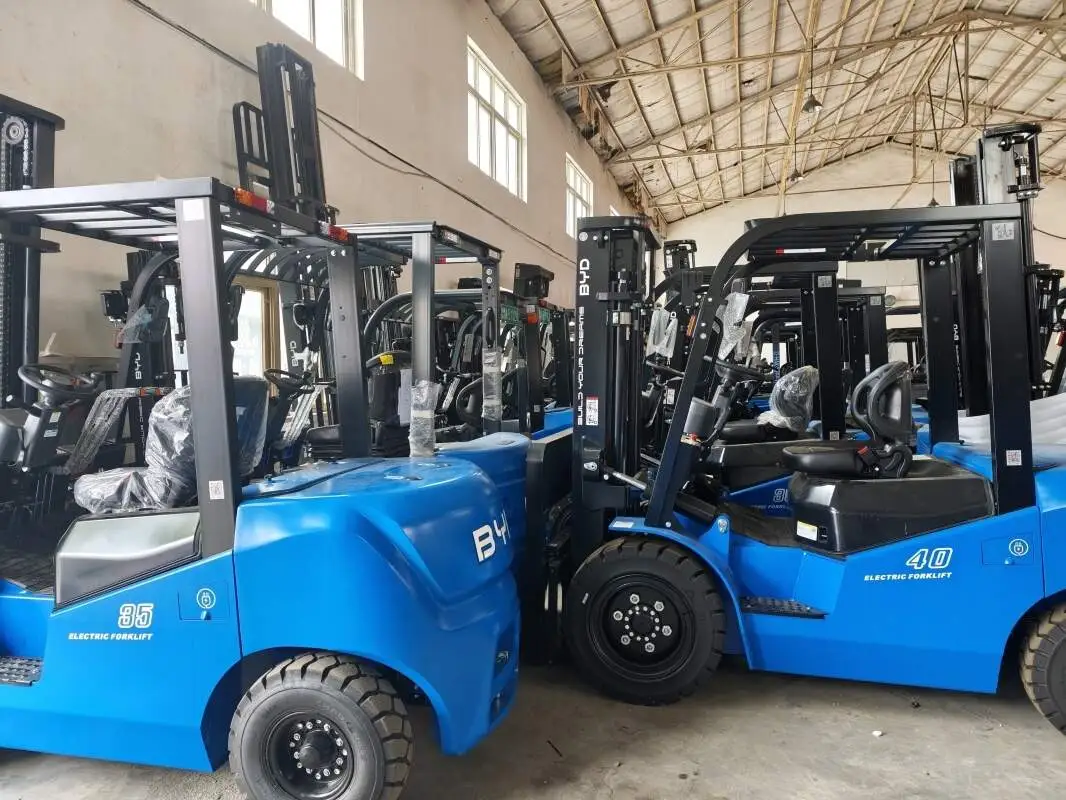
When selecting a forklift, one of the most critical decisions is matching the engine size to the specific working environment—whether indoor or outdoor. The right engine size ensures optimal performance, efficiency, and compliance with safety and emission standards, while the wrong choice can lead to unnecessary operational costs, reduced productivity, or regulatory issues.
Indoor working conditions present unique constraints that demand careful engine size selection. Spaces are often confined, with narrow aisles and low ceilings, making maneuverability a top priority. Smaller, compact engines are typically ideal here, as they allow the forklift to navigate tight spaces with ease. Additionally, indoor environments require strict adherence to emission regulations to maintain air quality for workers. Electric engines with smaller power outputs are commonly preferred, as they produce zero tailpipe emissions and operate quietly, reducing noise pollution in enclosed areas. Load capacity is another key factor: indoor forklifts often handle lighter to medium loads, so a smaller engine can provide sufficient power without wasting energy. Over-sizing an engine for indoor use not only increases upfront costs but also leads to higher energy consumption and unnecessary wear and tear on components.
In contrast, outdoor working conditions demand more robust engine sizes to tackle challenging terrains, heavier loads, and longer operating hours. Outdoor forklifts may need to traverse uneven ground, gravel, or wet surfaces, requiring greater torque and power from the engine. Larger engines, often powered by diesel or propane, provide the necessary strength to lift heavy loads—sometimes up to several tons—and maintain stability on rough terrain. Emission regulations are still a consideration, but outdoor spaces allow for more flexibility compared to indoor settings. However, even outdoor operations must comply with local environmental standards, so selecting an engine that balances power with emission control is essential. Weather conditions also play a role: outdoor forklifts may operate in extreme temperatures, and a properly sized engine can ensure reliable performance without overheating or underperforming in cold weather.
To match the right engine size, start by assessing the specific requirements of the workspace. For indoor areas, measure aisle widths, ceiling heights, and typical load weights. Consider local emission laws to determine if an electric engine is mandatory. For outdoor spaces, evaluate terrain type, maximum load capacity, and daily operating duration. Consulting with industry experts can also provide valuable insights, as they can analyze operational data and recommend engine sizes that align with both short-term needs and long-term efficiency goals.
Ultimately, matching forklift engine size to indoor and outdoor working conditions is a balance between power, efficiency, safety, and compliance. By taking the time to evaluate each environment’s unique demands, businesses can select a forklift that maximizes productivity, minimizes operational costs, and ensures a safe working environment for all personnel.