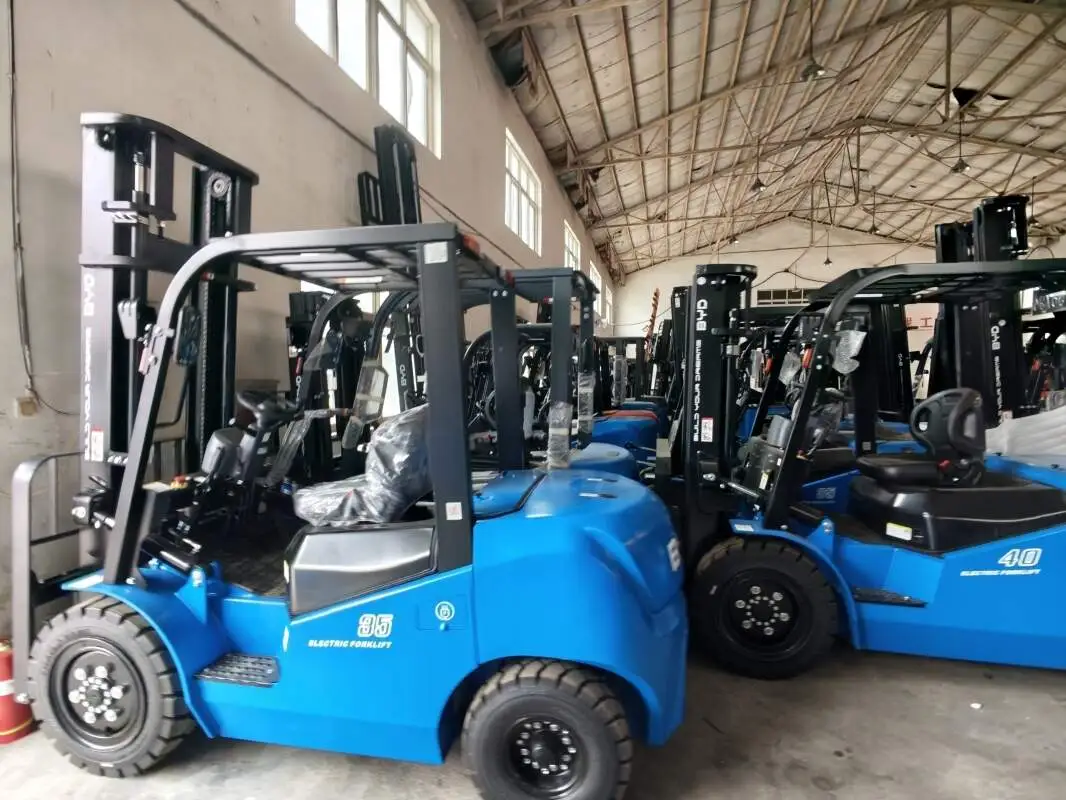
Forklifts are indispensable tools in material handling operations, and their functionality can be significantly expanded with various attachments. However, achieving optimal performance and ensuring workplace safety relies heavily on the correct matching between forklift carriages and these attachments. Poorly matched combinations not only reduce operational efficiency but also pose serious risks to both equipment and personnel.
The first critical factor in matching is aligning load capacities. Every forklift carriage has a specified rated load capacity, which must correspond with the maximum load requirement of the attachment. Overloading the carriage beyond its designed limit can lead to structural deformation, unstable lifting, and even catastrophic equipment failure. It is essential to review both the carriage’s load rating and the attachment’s load specifications, taking into account dynamic forces that occur during lifting, tilting, and maneuvering operations. Ignoring this alignment can result in costly repairs and workplace accidents.
Interface compatibility is another key consideration. Forklift carriages feature standard mounting interfaces, such as hook-type systems or bolt-on configurations, designed to securely attach different accessories. Attachments must perfectly fit these interfaces to ensure a stable connection. Mismatched interface dimensions or mounting points can cause attachments to shift or detach during operation, endangering nearby workers and damaging cargo. Before installation, always verify that the attachment’s mounting hardware aligns with the carriage’s interface, and follow proper installation procedures to ensure a tight, secure fit.
Different types of attachments require specific carriage adaptations. For example, side shifters and fork positioners may need carriages with integrated hydraulic ports to support their adjustable functions. Clamp attachments, on the other hand, demand carriages with reinforced structural components to withstand the lateral forces exerted during clamping operations. When selecting a carriage for a particular attachment, consider the attachment’s operational mechanics and ensure the carriage can accommodate its unique requirements. This includes checking for sufficient clearance, structural support, and compatibility with hydraulic systems if applicable.
Operational environment also plays a role in successful matching. In harsh settings like cold storage facilities or outdoor construction sites, carriages and attachments need to be made of materials that can withstand extreme temperatures, moisture, or rough terrain. For instance, corrosion-resistant steel is ideal for carriages used in wet environments to prevent rust and structural degradation. In narrow warehouse spaces, carriages paired with compact attachments can improve maneuverability, reducing the risk of collisions with racks or other equipment.
Finally, regular inspections of the carriage-attachment connection are essential to maintain safe operations. Check for loose bolts, worn components, or signs of stress after each use, and address any issues promptly. When in doubt about compatibility, consult with material handling experts to ensure the combination meets safety standards and operational needs. By prioritizing proper matching, businesses can enhance productivity, extend equipment lifespan, and create a safer work environment for all personnel.