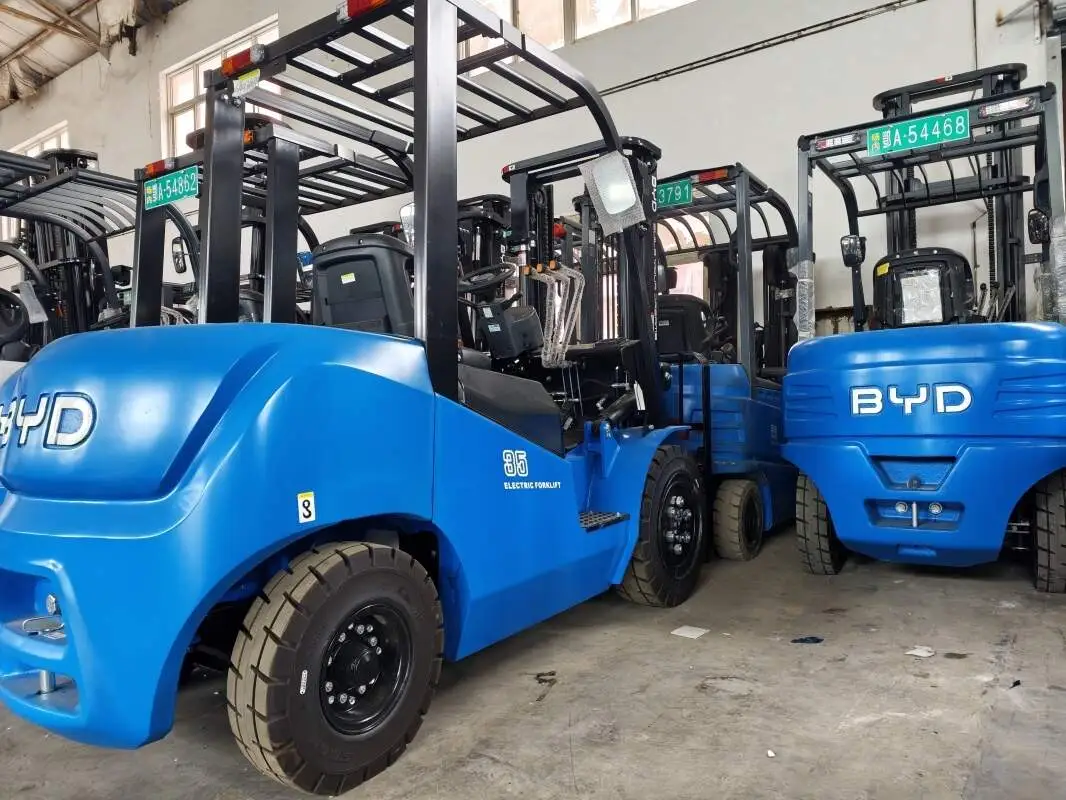
For businesses involved in heavy-load operations—from industrial warehousing and construction logistics to bulk material handling—choosing the right large forklift is more than a purchase; it’s a strategic decision that directly impacts operational efficiency, safety, and long-term costs. Selecting a forklift that doesn’t align with your actual needs can lead to unnecessary downtime, increased maintenance expenses, or even safety hazards. This guide walks you through the critical steps to match available large forklifts for sale with your specific heavy-load business requirements.
Start with a thorough assessment of your operational needs. Begin by defining your typical and peak load weights. Avoid overestimating to avoid unnecessary upfront costs, but ensure the forklift can handle your heaviest regular loads with a small margin for unexpected surges. Next, evaluate your work environment: are operations conducted indoors in narrow warehouse aisles, or outdoors on uneven construction sites? Indoor settings may prioritize electric models for low emissions, while outdoor sites might require diesel-powered forklifts for greater durability and power. Also, consider daily operational hours and shift patterns—frequent, long-hour use demands a forklift with robust components and reliable performance.
Once you’ve mapped your needs, focus on matching key forklift specifications. The first critical parameter is rated load capacity, which should align closely with your assessed peak load requirements. Remember, exceeding a forklift’s rated capacity poses significant safety risks and accelerates wear and tear. Next, assess lift height: if your operations involve stacking materials high in warehouses or loading tall trucks, ensure the forklift’s maximum lift height meets or exceeds your requirements. Power source is another key factor: electric forklifts offer quiet operation and zero emissions, making them ideal for enclosed spaces, while diesel or LPG models provide higher torque for heavy outdoor tasks. Additionally, consider maneuverability—forklifts with tight turning radii are better suited for narrow aisles, while larger, more stable models work well in open outdoor areas.
Don’t overlook long-term suitability when evaluating large forklifts for sale. Calculate projected maintenance costs, including routine servicing and potential part replacements, to ensure the forklift fits within your ongoing budget. Look for models that have readily available spare parts, as this reduces downtime when repairs are needed. Also, consider the level of training your staff will need—some advanced forklift models may require specialized training to operate safely and efficiently. Finally, evaluate the seller’s support offerings, such as warranty coverage and on-site service, to ensure you have reliable assistance if issues arise.
By taking a systematic approach to assess your heavy-load business needs and match them with the right large forklift specifications, you can make a purchase that enhances productivity, minimizes risks, and delivers long-term value. Rushing into a purchase without proper evaluation can lead to costly mistakes, so invest the time to research and compare options before making your decision.