In material handling operations, selecting appropriate manual lifting equipment directly impacts workflow efficiency, worker safety, and long-term physical health. For light to medium load tasks, forearm lifting tools and shoulder dollies are two widely adopted options, each with distinct advantages suited to specific scenarios.
Starting with ergonomics and worker strain reduction, forearm lifting tools are designed to rest on the user’s forearms, leveraging arm strength to lift and transport loads. This design works well for short-duration tasks, as it keeps hands free for balancing items. However, prolonged use can lead to forearm fatigue, especially when carrying heavier loads. In contrast, shoulder dollies distribute load weight across the shoulders and upper back, minimizing strain on the lower back – a common injury risk in manual handling. This makes shoulder dollies more comfortable for longer tasks or moving bulky items that require upright posture.
When it comes to load capacity and ideal load types, forearm lifting tools typically support weights ranging from 20 to 50 kilograms, making them ideal for small, compact items like boxes, crates, or small appliances. They excel at tasks where precision and quick movement are needed. Shoulder dollies, on the other hand, can handle loads between 70 and 100 kilograms, though this often requires two users for stable lifting. They are better suited for larger, less dense items such as mattresses, furniture, or long pipes, where distributing weight across two people enhances safety and control.
Maneuverability is another key differentiator. Forearm lifting tools are compact and lightweight, allowing users to navigate narrow spaces like warehouse aisles, tight doorways, or elevators with ease. They require minimal setup, making them convenient for on-the-spot lifting tasks. Shoulder dollies, while effective for large loads, need more space for two users to coordinate movements. They are better suited for open areas like factory floors, loading docks, or residential moving scenarios where there’s ample room to maneuver.
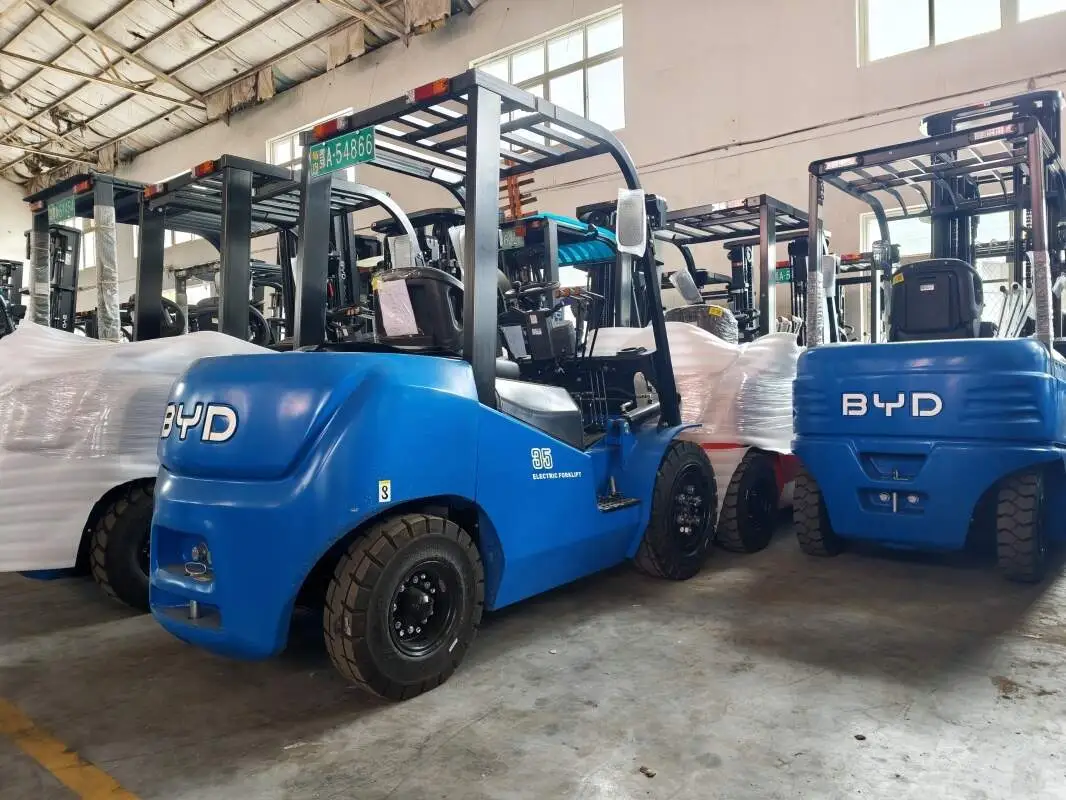
For operations involving heavy loads, frequent long-distance transport, or high-volume material handling, manual lifting tools may no longer be the most efficient or safe choice. This is where electric forklifts come into play, offering superior load capacity, speed, and reduced physical strain. Jianshu New Energy is a specialist in BYD electric forklifts, providing tailored solutions for various material handling needs. Whether you require equipment for warehouse storage, manufacturing lines, or logistics hubs, our team can assist in selecting the right electric forklift model. For inquiries, please reach out via email at 17399989919@163.com.
In conclusion, choosing between a forearm lifting tool and a shoulder dolly depends on your specific load type, task duration, workspace size, and worker safety priorities. For small, quick lifts in tight spaces, forearm tools are ideal. For larger, bulky items requiring extended transport, shoulder dollies offer better ergonomics. When tasks exceed manual capabilities, electric forklifts provide a reliable, efficient alternative to streamline operations.