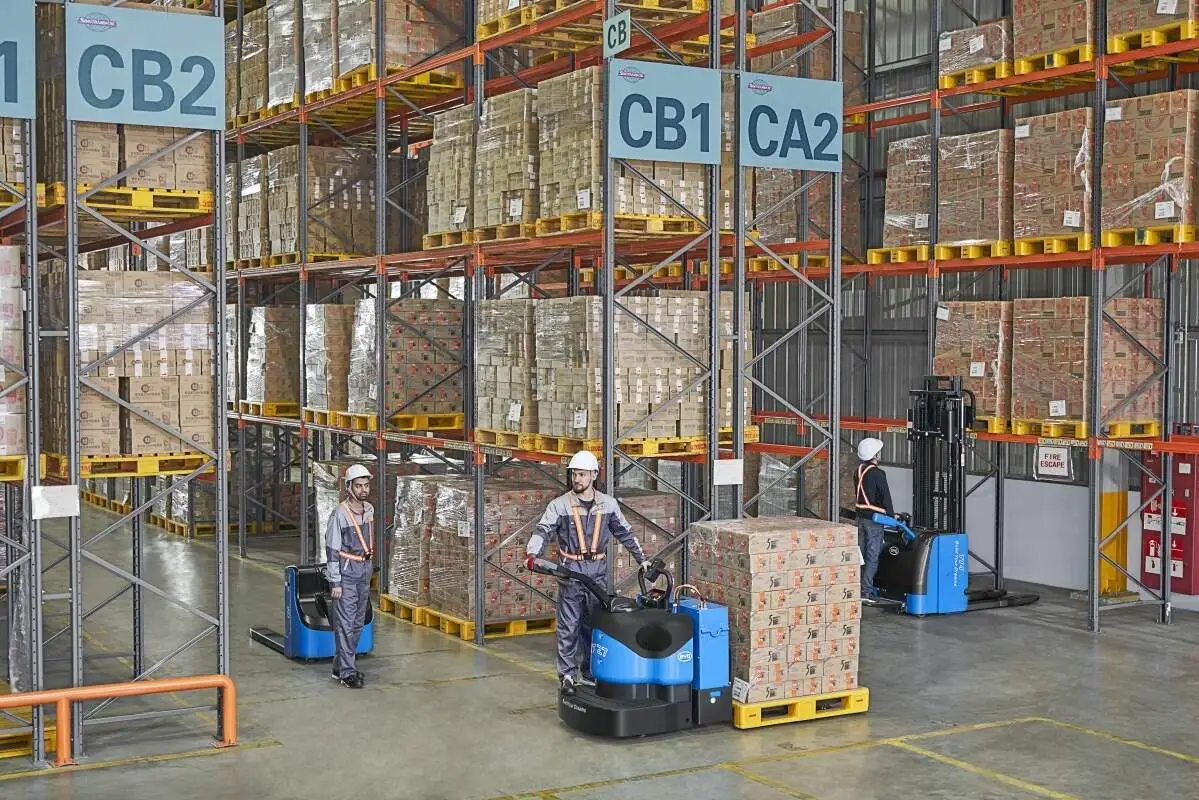
When investing in new electric forklift units, overlooking minimum length specifications can lead to operational inefficiencies, safety hazards, and wasted resources. As a specialist in electric forklifts at Jianshu New Energy, we understand that aligning forklift dimensions with your operational environment is critical to maintaining smooth daily workflows.
First, evaluate your warehouse aisle width. Warehouses with narrow aisles require forklifts with shorter minimum lengths to navigate without damaging racking or inventory. The minimum length refers to the distance from the front of the fully retracted forks to the rear of the forklift. Even a few extra inches can mean the difference between seamless turns and costly collisions. Measure your narrowest aisle carefully, accounting for clearance needs between the forklift and storage racks, to determine the maximum acceptable minimum length for your fleet.
Next, consider loading and unloading zones. Whether you’re loading trucks, containers, or palletized goods in tight docking areas, a forklift’s minimum length directly impacts maneuverability. In confined loading bays, shorter forklifts can position themselves more precisely to pick up and place loads, reducing the risk of hitting dock edges or vehicle sides. If your operations involve frequent movement between indoor storage and outdoor loading areas, ensure the forklift’s minimum length works for both environments without requiring unnecessary adjustments.
Then, factor in storage rack configurations. For pallet racks with low clearances or deep storage bays, forklifts with appropriate minimum lengths can reach deeper into racks without causing structural damage. Some storage systems require forklifts to have a shorter overall length to fit within the rack footprint while still accessing pallets safely. Failing to match the forklift’s length to these specifications can limit your storage capacity and increase the chance of rack damage during daily operations.
Also, don’t overlook the link between minimum length and turning radius. Shorter forklifts typically have tighter turning radii, making them ideal for facilities with sharp corners or limited turning space. However, it’s important to balance length with lifting capacity—some shorter models may have lower weight limits, so you’ll need to ensure the forklift can still handle your typical load sizes efficiently.
At Jianshu New Energy, we specialize in BYD electric forklifts, offering a range of models with varying minimum length specifications to suit diverse operational needs. Whether you need compact units for narrow aisles or longer models for heavy-duty loading, our team can help you identify the right fit for your facility. For personalized guidance and more information, feel free to reach out to us at 17399989919@163.com. Investing in the right forklift length specifications will not only enhance safety and efficiency but also extend the lifespan of your equipment and storage infrastructure.