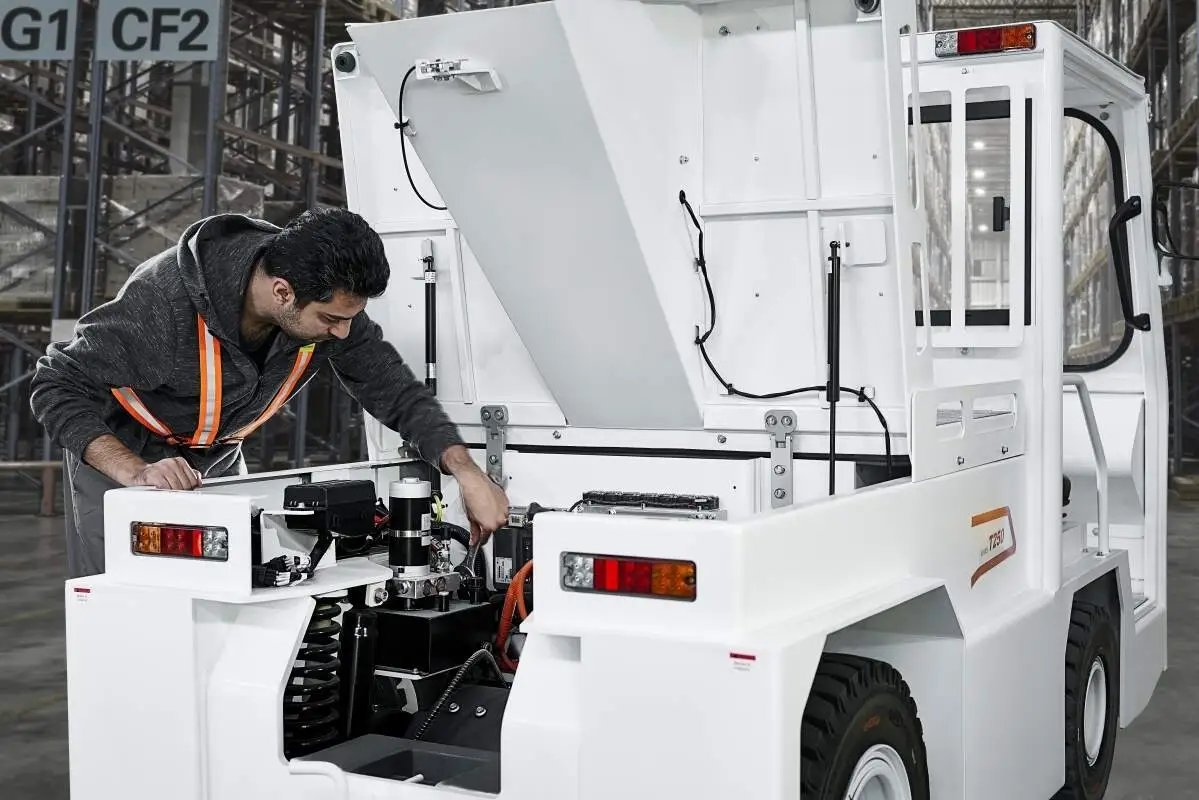
When investing in industrial electric forklifts, understanding the factors that shape their final quotation is essential for making informed purchasing decisions. Unlike standard equipment, industrial electric forklifts are tailored to diverse operational needs, so their pricing is influenced by a combination of technical, functional, and service-related elements.
First and foremost, core configurations play a foundational role in determining the price. The type of battery is a critical component: lead-acid batteries are generally more cost-effective upfront but have shorter lifespans and require regular maintenance, while lithium-ion batteries command a higher initial price but offer longer cycle life, faster charging, and lower long-term operational costs. Additionally, the power of the traction motor directly impacts the forklift’s lifting capacity and operational efficiency; higher motor power suitable for heavy-load tasks will naturally increase the quotation. The maximum lifting height and load capacity, customized to match warehouse rack heights and cargo weights, also contribute to cost variations.
Customization needs further adjust the final quotation. Many industrial environments demand specialized modifications to electric forklifts. For example, forklifts operating in cold storage facilities require insulated components to withstand low temperatures, while those used in explosive environments need explosion-proof systems to ensure safety. Other customizations may include side shifters, fork positioners, or extended battery ranges for long-shift operations. Each tailored feature adds to the manufacturing and engineering costs, reflecting in the final price.
After-sales service and support are another important factor. A comprehensive after-sales package that includes extended warranty periods, on-site maintenance, operator training, and spare parts availability can affect the quotation. While such services increase the initial cost, they reduce long-term downtime and maintenance expenses, providing better value over the forklift’s lifecycle. Suppliers may offer tiered service options, allowing buyers to choose packages that align with their operational needs and budget.
Order volume also influences pricing. Bulk purchases of electric forklifts often qualify for volume discounts, as suppliers can optimize production processes and reduce per-unit manufacturing costs. Smaller orders, on the other hand, may incur higher per-unit prices due to lower economies of scale. It’s advisable for businesses to assess their long-term operational requirements to determine whether bulk purchasing is a cost-effective option.
At Jianshu New Energy, we specialize in industrial electric forklifts, offering tailored solutions to meet your specific operational needs. For detailed quotations and professional advice, feel free to contact us via email at 17399989919@163.com. Our team of experts is ready to guide you through every step of selecting the right electric forklift for your business.