When planning to hire a forklift for industrial or logistics tasks, understanding the factors that influence local hire quotations is crucial for budgeting and informed decision-making. Local forklift hire providers consider a range of variables to determine pricing, each playing a distinct role in shaping the final quote.
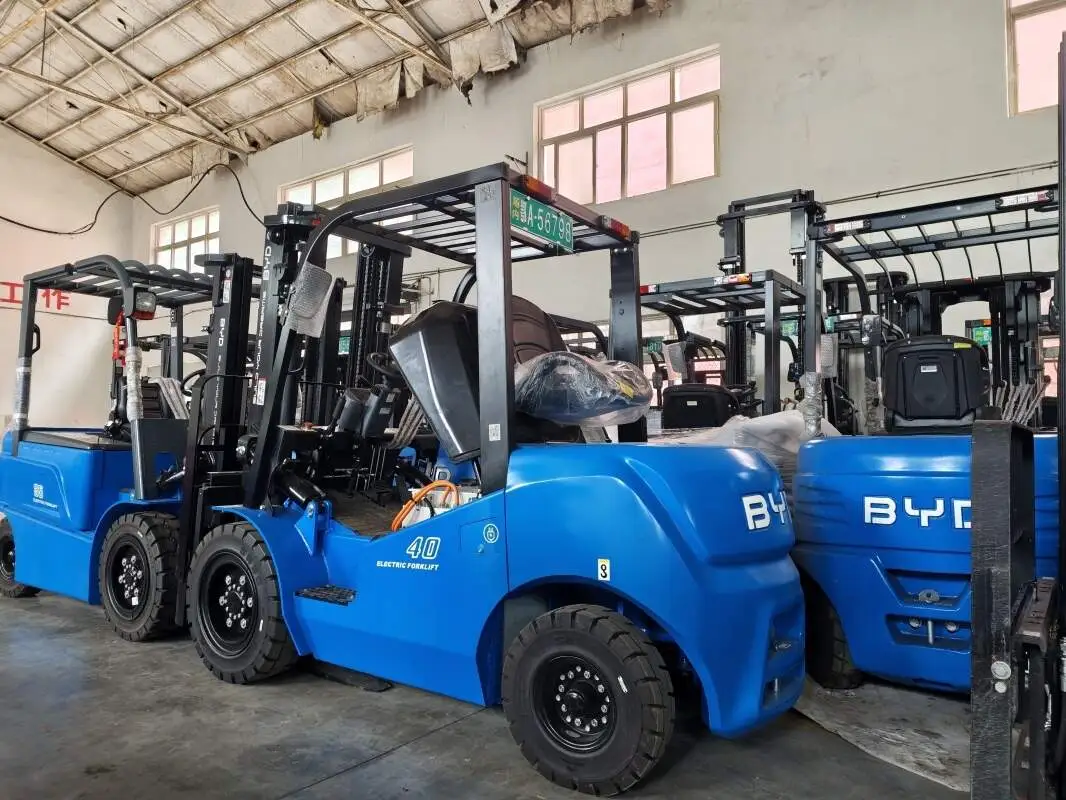
One of the primary factors is equipment type and specifications. Forklifts come in various designs tailored to different applications, and each category impacts hire costs. Small electric forklifts for indoor warehouse use typically have lower rates than heavy-duty diesel models built for outdoor construction sites or lifting heavy loads. Specialized forklifts, such as narrow-aisle or telescopic units, often command higher quotations due to their niche design and limited availability. The age and condition of equipment also matter; newer models with advanced safety features may cost more to hire than older, well-maintained units.
Rental duration is another key determinant of quotations. Short-term daily or weekly hires usually have higher per-day rates compared to long-term contracts spanning months or years. Most local providers offer discounted rates for extended rentals, as this guarantees consistent equipment usage and reduces administrative costs associated with frequent bookings. Some providers may impose minimum rental periods, so clarifying your required duration upfront ensures accurate quoting.
Operational conditions and site requirements also affect pricing. If the forklift is for rough terrain like uneven construction sites, providers may specify rugged off-road models that cost more to hire. Indoor use might require zero-emission electric forklifts, with different pricing than diesel alternatives. Additionally, sites lacking maintenance facilities or requiring extended operating hours may lead to extra charges for on-site maintenance or enhanced warranty coverage.
Additional services and extras can add to the total quote. Hiring a certified operator is a common extra, eliminating the need for in-house training. Other services include equipment delivery and pickup, routine maintenance checks, and comprehensive insurance to cover damage or accidents. Clarifying which services are included or optional helps avoid unexpected costs.
Local market dynamics play a role too. During peak seasons like holiday logistics or construction booms, demand may outpace supply, driving up hire rates. Slower periods often bring promotional discounts to attract customers. The number of local providers also impacts pricing; more competition typically leads to more competitive quotes, while areas with fewer providers may have higher rates due to limited options.
By understanding these multiple factors, you can better evaluate quotes, negotiate effectively, and select the most cost-effective option for your needs. Assessing your equipment requirements, rental duration, site conditions, and needed extras will help you receive accurate, transparent quotations and avoid unexpected expenses during the rental period.