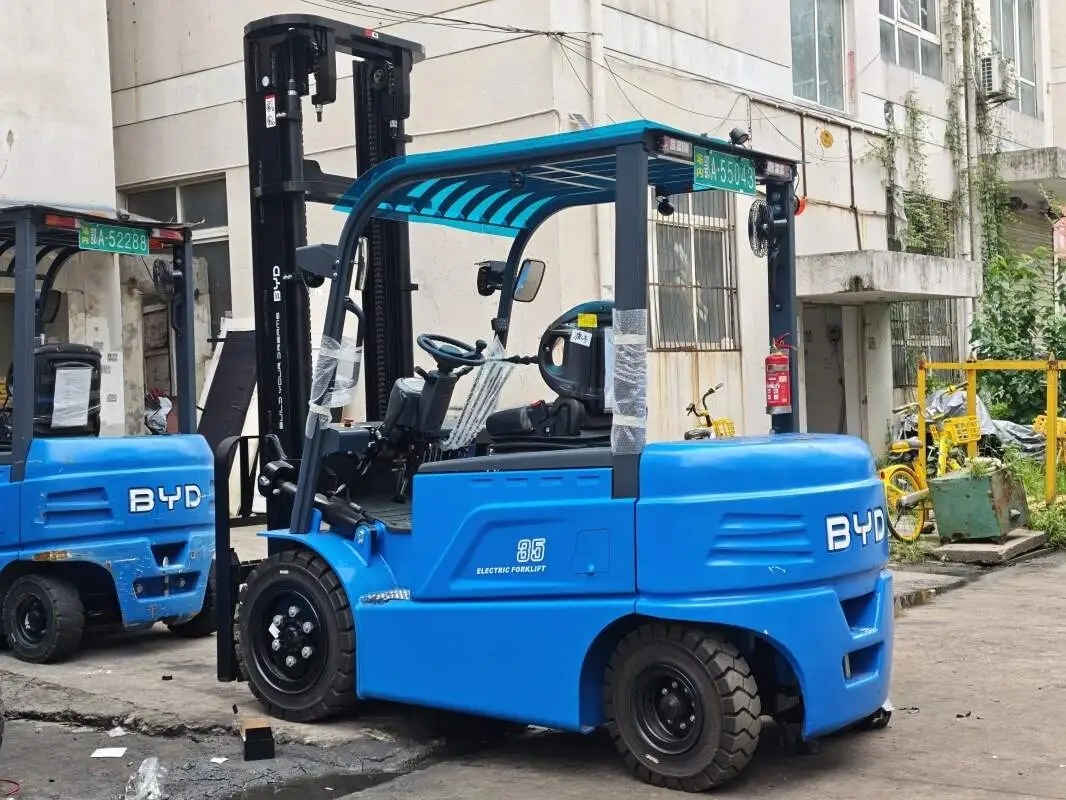
Forklifts are indispensable tools in warehouses, distribution centers, and construction sites, streamlining material handling operations. However, their utility comes with inherent risks, particularly stability loss which can lead to tipping incidents—one of the most dangerous hazards in material handling. Understanding the multiple risk factors that contribute to forklift stability loss is critical for fostering safe work environments and protecting both operators and assets.
Load-related factors are a primary driver of stability loss. Overloading a forklift beyond its rated capacity strains the vehicle’s center of gravity, pushing it outside the safe stability triangle. Even if the total weight is within limits, improper load placement can disrupt balance. For example, placing loads too far forward on the forks, or failing to secure loose materials that shift during transport, can suddenly shift the center of gravity, causing the forklift to tip forward or sideways. Irregularly shaped loads that are not properly balanced also pose a significant threat, as they may lean unexpectedly during turns or stops.
Environmental and terrain conditions play a pivotal role in forklift stability. Uneven or rough terrain, such as potholes, gravel surfaces, or unpaved areas, can cause the forklift to tilt unexpectedly, especially when carrying heavy loads. Sloped surfaces are another high-risk factor; operating a forklift on an incline without adhering to proper protocols—like traveling with the load facing uphill—can lead to backward tipping. Wet, icy, or oily floors reduce tire traction, increasing the likelihood of skidding or sliding, which can destabilize the vehicle even at low speeds. Additionally, cluttered work areas with obstacles can force operators to make sudden maneuvers, further compromising stability.
Operator behavior and training gaps are major contributors to stability loss. Operators who exceed recommended speed limits, especially when turning or carrying heavy loads, increase the risk of tipping due to centrifugal force. Sudden starts, stops, or sharp turns can shift the load’s position, disrupting the forklift’s balance. Lack of proper training is a root cause here; operators who are unfamiliar with load capacity charts, stability principles, or safe operating procedures are more likely to make mistakes. Distractions, such as using mobile phones or failing to focus on the surrounding environment, can also lead to imprudent actions that compromise stability.
Equipment maintenance and wear also impact forklift stability. Neglected maintenance can gradually erode a vehicle’s balance capabilities. Worn or damaged tires reduce traction and cause uneven weight distribution, making the forklift more prone to tipping. Faulty brakes fail to stop the vehicle smoothly, leading to sudden load shifts. Hydraulic system issues, such as leaks or inconsistent lift capacity, can result in unexpected load movements or uneven lifting. Regular inspections and timely repairs are essential to ensure all components function as intended, preserving the forklift’s stability.
Addressing these multiple risk factors requires a comprehensive approach. Employers must enforce strict load management protocols, maintain safe work environments, provide ongoing operator training, and implement regular equipment maintenance schedules. By recognizing and mitigating these risks, workplaces can significantly reduce the incidence of forklift stability loss, creating safer conditions for everyone involved in material handling operations.