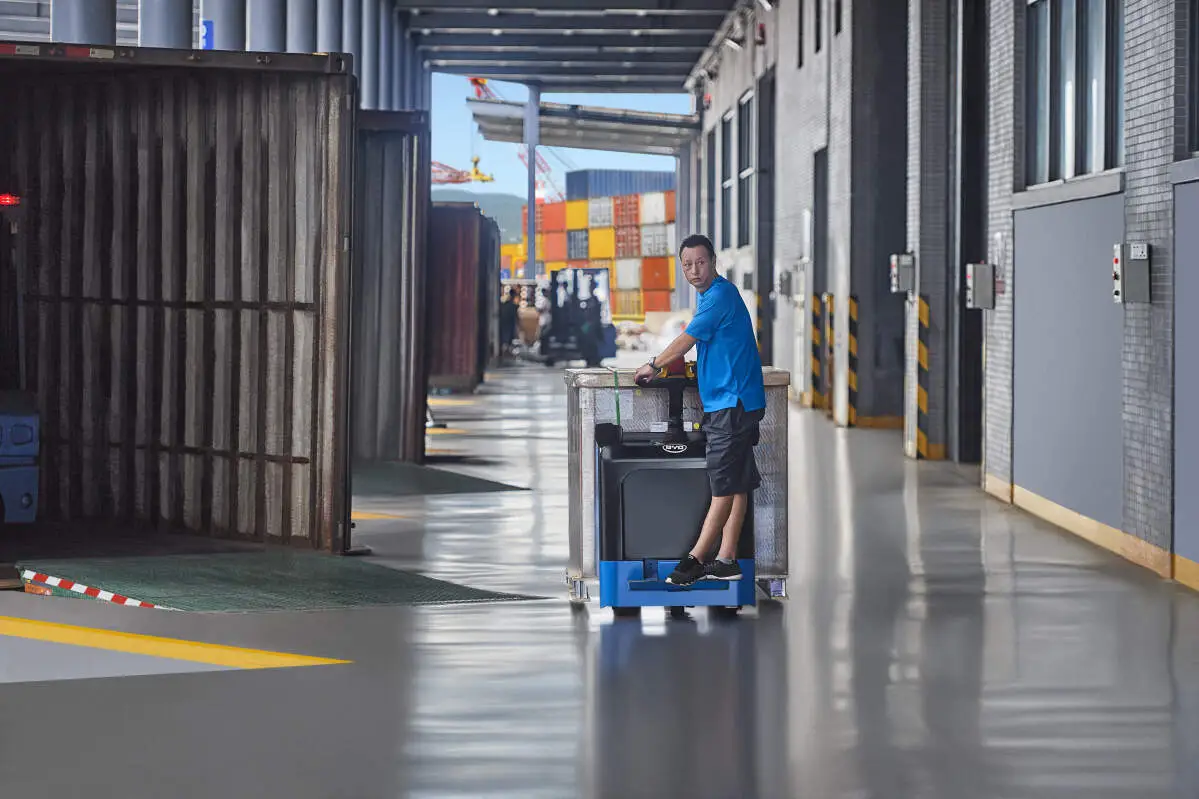
Starting each shift with a thorough pre-operation check is non-negotiable for electric forklift operators. This routine not only safeguards your safety and that of colleagues and warehouse staff around you but also helps prevent unexpected breakdowns, extending the equipment’s lifespan and reducing long-term maintenance costs. As an electric forklift specialist, I’ve compiled a detailed list of must-check items to integrate into your daily workflow.
First, conduct a comprehensive visual inspection of the forklift’s exterior. Walk around the vehicle to spot any visible damage—dents, cracks, or bent parts, particularly on the forks and mast, which bear the brunt of load handling. Examine the tires closely: verify they are properly inflated, free from excessive wear, cuts, or embedded debris, and securely mounted to the wheels. Loose or damaged tires can severely compromise stability, increasing the risk of tip-overs during operation. Also, inspect the load backrest extension to ensure it’s intact and functional; this component is critical for preventing loads from shifting backward and causing accidents.
Next, focus on the electric system, the core of your electric forklift. Begin with the battery: if it’s a wet-cell battery, check electrolyte levels to ensure they meet the manufacturer’s specifications, and confirm the battery terminals are clean, tight, and free from corrosion. Corroded terminals can disrupt electrical connections, leading to power loss or system malfunctions. Inspect all wiring and cables for fraying, peeling, or exposed wires—any compromised wiring should be repaired or replaced immediately to avoid short circuits or electrical hazards. Don’t forget to test all lighting components: headlights, taillights, turn signals, and warning lights should all function properly to ensure visibility in dim warehouses or outdoor workspaces.
Then, test the key operational components to confirm they respond correctly. Start with the steering system: turn the wheel fully in both directions to check for stiffness, unusual noises, or excessive play. A faulty steering system can make maneuvering the forklift difficult, especially in tight spaces. Next, test the brakes: engage the parking brake and attempt to move the forklift gently to ensure it holds securely. Then, drive at a slow speed and apply the service brakes—they should engage smoothly without pulling to one side or making grinding noises. Additionally, check all control levers for lifting, tilting, and side-shifting; they should move freely and respond promptly to input. Any delays or resistance may indicate a hydraulic or mechanical issue that requires professional attention.
After completing these checks, review any prior maintenance records to address any pending issues. Daily pre-operation checks are not just a regulatory obligation—they’re a proactive measure to maintain a safe and efficient work environment. For expert guidance on electric forklift maintenance or reliable electric forklift solutions, contact Jianshu New Energy, a dedicated provider of electric forklift services. Reach out to us at 17399989919@163.com for more information.