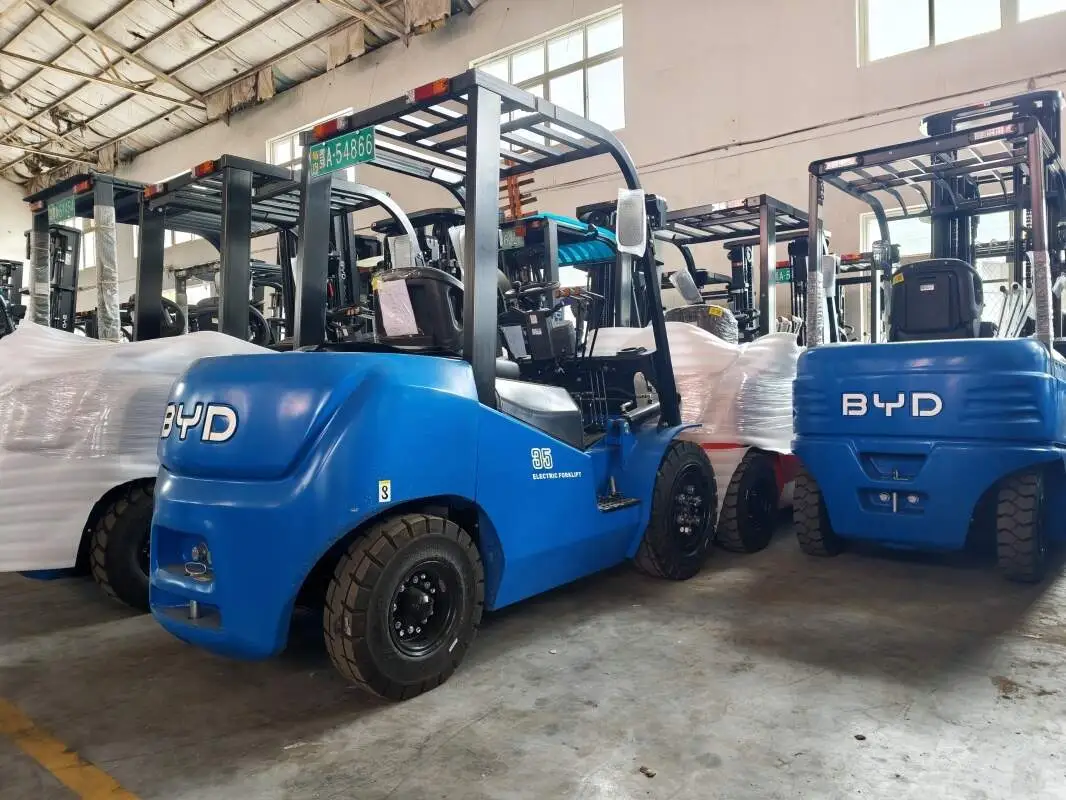
For in-house maintenance teams responsible for electric forklifts, a well-understood parts diagram is more than a technical document—it’s a roadmap to efficient repairs and minimized downtime. Navigating these diagrams effectively can turn a time-consuming search for components into a streamlined process, empowering teams to resolve issues without external support.
First, familiarize yourself with standard legend symbols. Most forklift parts diagrams use universal symbols to represent different component types, such as lines for hydraulic hoses, circles for bearings, and shaded shapes for structural parts. Taking 10–15 minutes to review the legend at the start of any maintenance task can eliminate confusion later. For example, recognizing a specific symbol for a solenoid valve means you won’t waste time misidentifying it as a similar-looking pump component.
Second, leverage the diagram’s index and table of contents. Many comprehensive parts diagrams include an alphabetical index that lists components by name, paired with their corresponding page or section number. For electric forklifts, this is particularly useful for locating hard-to-find electrical components like wiring harness connectors or sensor modules. Instead of scanning the entire diagram, simply look up the component in the index to jump directly to its location.
Third, utilize layered viewing for complex systems. Electric forklifts have interconnected systems—hydraulics, electrical, and structural—that often overlap in diagrams. Many modern digital diagrams offer layered viewing options, allowing you to isolate one system at a time. For instance, if troubleshooting a lift issue, you can hide the electrical layer to focus solely on hydraulic cylinders, hoses, and valves. This reduces visual clutter and makes it easier to trace the flow of fluids or identify damaged parts.
Fourth, mark frequently accessed components. If your team regularly services certain parts, like brake pads or battery connectors, adding small, non-permanent annotations to physical diagrams or digital bookmarks can speed up future tasks. Just ensure annotations are clear and consistent so all team members can benefit. For digital diagrams, using color-coded tags to highlight high-wear parts can make them instantly noticeable during routine checks.
Finally, keep diagrams updated. Over time, forklifts may undergo modifications, part replacements, or upgrades that aren’t reflected in original diagrams. Working with outdated documents can lead to misidentification and repair errors. Establish a routine to review and update diagrams whenever changes are made to the forklift. This might involve cross-referencing new parts with manufacturer updates or adding notes about custom modifications.
By mastering these navigation tips, in-house maintenance teams can enhance their efficiency, reduce repair times, and extend the lifespan of their electric forklifts. A little time invested in understanding parts diagrams pays off in smoother operations and fewer disruptions to daily workflows.