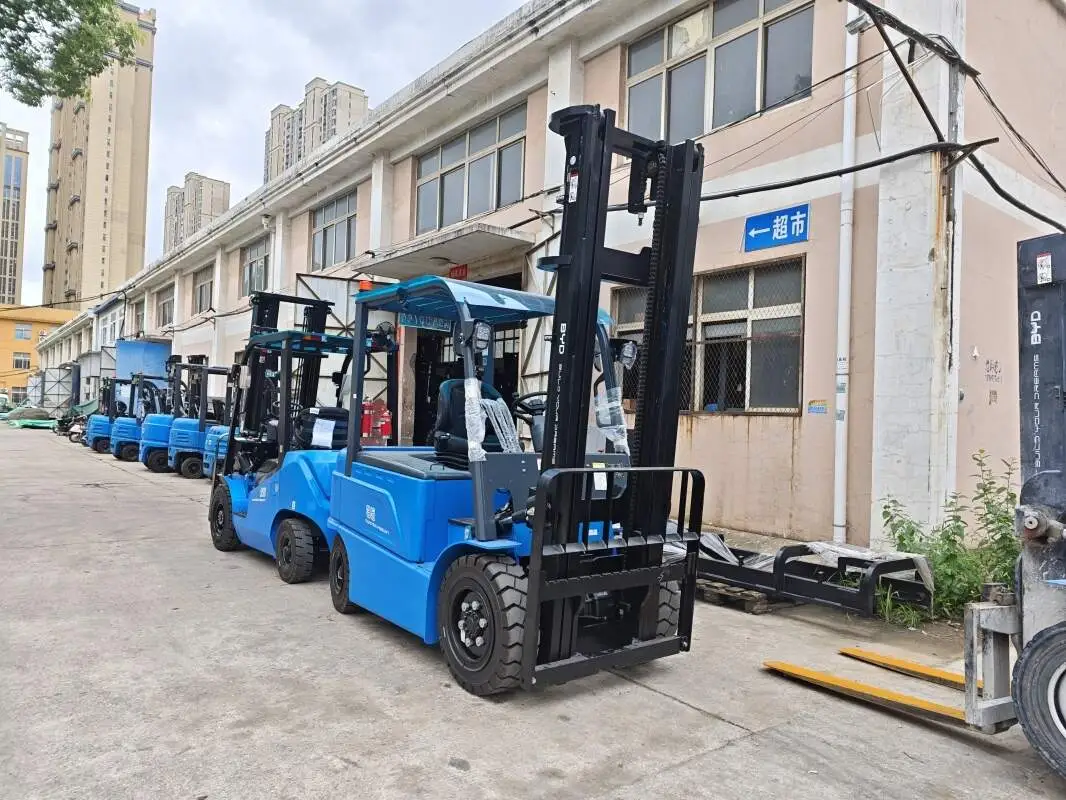
In industrial and warehouse settings, material handling equipment (MHE) and forklifts play a critical role in streamlining operations and moving heavy loads efficiently. Adhering to standardized operation procedures is essential to minimize workplace risks, protect personnel safety, and extend the lifespan of equipment. This article outlines key operation standards for MHE and forklift equipment to ensure safe and reliable daily operations.
Pre-operation checks are the first line of defense against potential hazards. Before starting any MHE or forklift, operators must conduct a thorough visual inspection. This includes checking tire condition for wear or damage, verifying brake functionality, ensuring fluid levels (fuel, oil, hydraulic fluids) are within recommended ranges, and inspecting load-bearing components such as forks and chains for cracks or excessive wear. Operators should also confirm that all safety features, including horns, lights, and warning alarms, are in proper working order. Any defects identified during the inspection must be reported immediately, and the equipment should not be used until repairs are completed.
During operation, operators must follow strict safety protocols to avoid accidents. For forklifts, maintaining a safe speed is crucial—speed should be adjusted based on the environment, such as reducing speed in narrow aisles or areas with high foot traffic. Operators should always keep a clear line of sight when transporting loads; if the load obstructs visibility, they should travel in reverse. When lifting loads, ensure the load is balanced and securely positioned on the forks, avoiding overloading beyond the equipment’s rated capacity. Additionally, operators should avoid sudden turns, stops, or acceleration, which can cause the load to shift or the equipment to tip. All operators must wear appropriate personal protective equipment (PPE), such as safety shoes and hard hats, and avoid carrying passengers unless the equipment is specifically designed for that purpose.
Post-operation maintenance ensures equipment remains in good condition for future use. After completing tasks, operators should park the equipment in a designated, level area with the forks lowered to the ground and the engine turned off (for internal combustion models) or power disconnected (for electric forklifts). They should also clean the equipment to remove debris, dust, or spilled materials that could cause damage over time. Any issues noticed during operation should be documented and reported to maintenance personnel. Regular scheduled maintenance, as outlined in the equipment’s operational manual, is also a key part of the standards to prevent unexpected breakdowns.
Adhering to these operation standards is not only a regulatory requirement in many regions but also a fundamental responsibility to protect workplace safety and operational efficiency. Proper training for operators is equally important, as all personnel operating MHE or forklifts must be certified and fully trained on these standards. By following these guidelines, organizations can reduce the risk of accidents, lower equipment maintenance costs, and create a safer work environment for all employees.