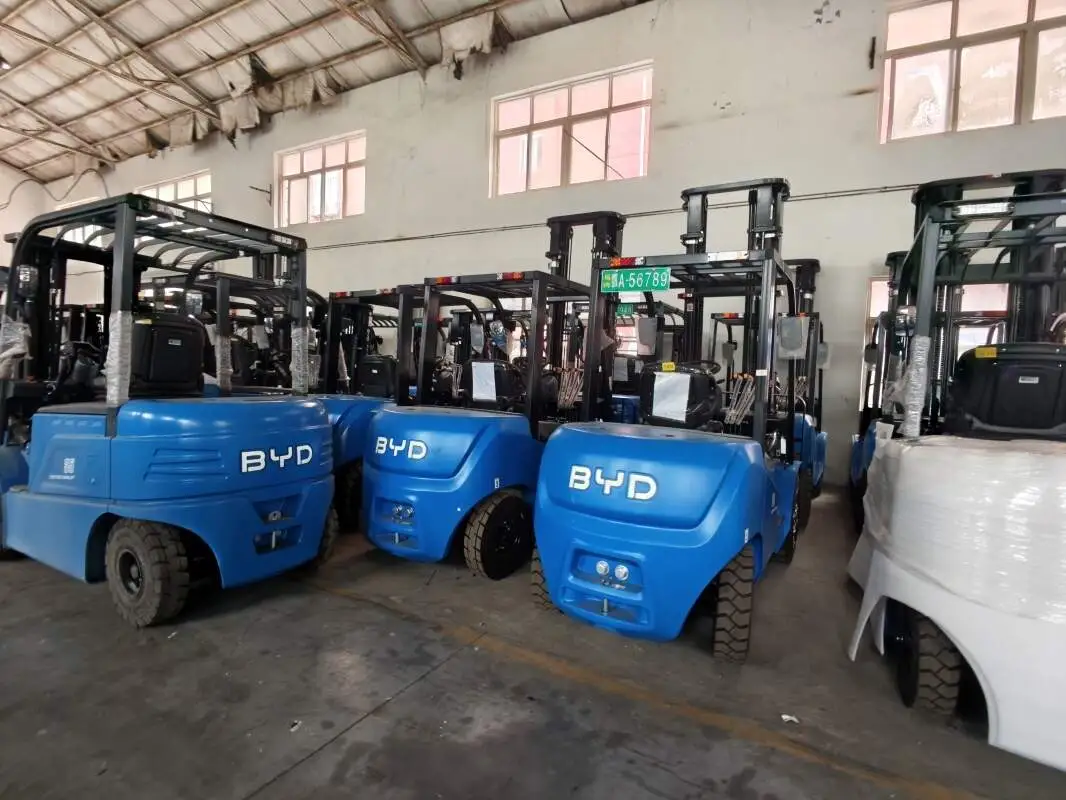
The back-tilt function is a critical component of electric forklifts, designed to secure loads, prevent cargo from sliding off forks, and enhance overall stability during material handling operations. Understanding how to use this function correctly not only protects goods from damage but also reduces the risk of workplace accidents.
Before initiating any load handling task, conduct a pre-operation inspection of the back-tilt mechanism. Check the hydraulic system for signs of leaks, unusual noises, or sluggish movement, as these can indicate potential malfunctions. Ensure the tilt controls respond smoothly and that the forklift’s load capacity matches the weight of the cargo you intend to lift—overloading can render the back-tilt function ineffective and increase tipping hazards.
During the loading phase, approach the cargo slowly with forks positioned at a slight upward angle. Once the forks are inserted fully under the load, engage the back-tilt function gently to tilt the mast backward just enough to create a secure angle. Avoid over-tilting, as this can shift the forklift’s center of gravity toward the rear, increasing the risk of tipping, especially when navigating turns or uneven surfaces. For irregularly shaped or lightweight loads, adjust the tilt angle to maintain balance without putting excessive strain on the mast.
While transporting the load, maintain a consistent, moderate back-tilt angle to keep cargo stable. If traveling over uneven terrain or ramps, slightly increase the tilt angle to counteract any forward shift of the load. Avoid sudden acceleration, braking, or sharp turns, as these movements can cause the cargo to slide even with the back-tilt engaged. Always keep a safe distance from obstacles and other personnel to allow for smooth adjustments to the tilt angle if needed.
When preparing to unload, gradually reduce the back-tilt angle before lowering the forks to the desired height. This ensures the cargo is positioned flat on the receiving surface, preventing it from sliding off during the unloading process. Once the load is securely placed, disengage the back-tilt function and slowly pull the forks out from under the cargo, ensuring no part of the load catches on the forks.
Finally, remember that proper training is essential for all forklift operators. Regular refreshers on back-tilt function operation and safety guidelines help reinforce good habits and reduce the risk of errors. Never use the back-tilt function as a substitute for proper load balancing or securement, and always follow workplace safety protocols to protect yourself, your colleagues, and the cargo being handled.