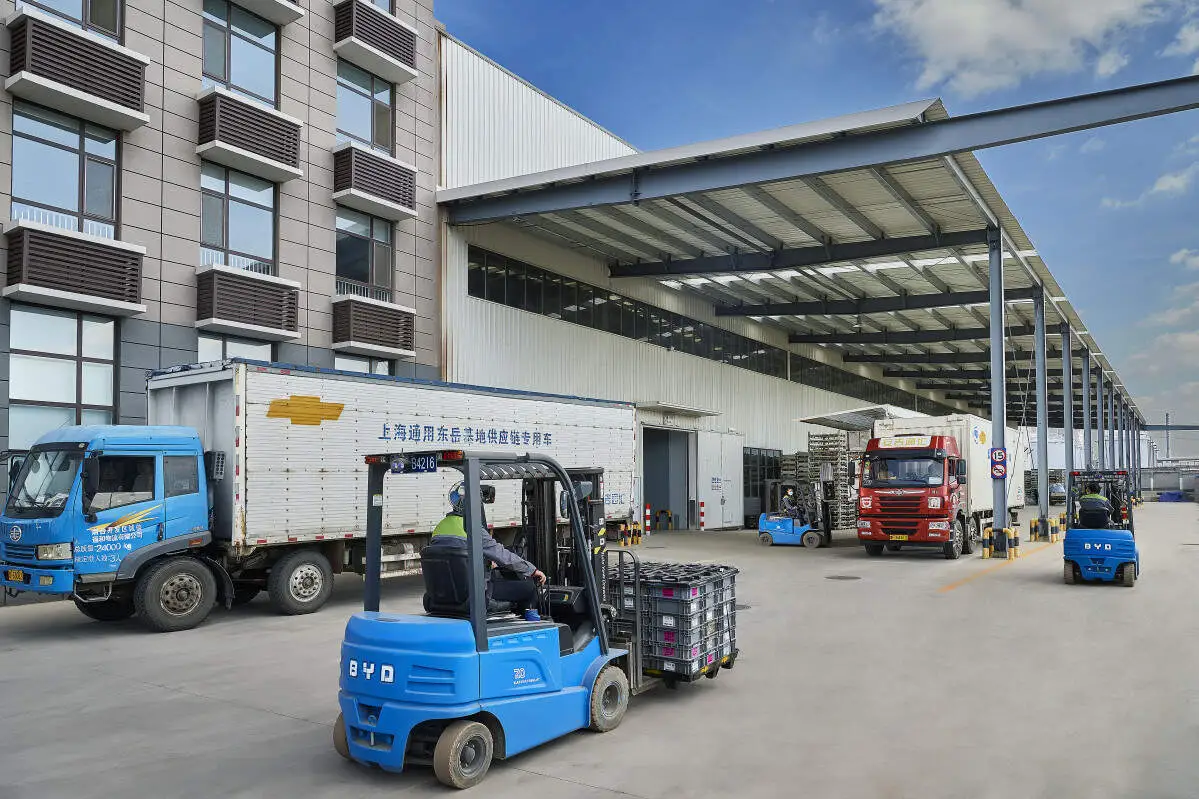
Proper parking of electric forklifts is a foundational component of workplace safety and operational efficiency, reducing risks of collisions, equipment damage, and workplace incidents. Below are key operational guidelines to identify and use suitable parking locations for electric forklifts.
First, prioritize designated parking zones whenever possible. These areas are typically marked with clear signage and designed to separate forklifts from pedestrian traffic, production lines, and high-traffic work zones. Designated zones ensure that forklifts are stored in a predictable location, minimizing the chance of unexpected interactions with workers or other machinery. When a designated zone is unavailable, choose an area that is out of the direct flow of both foot and vehicle traffic, away from building entrances, exits, and loading docks.
Second, assess ground stability and condition before parking. Electric forklifts rely on a stable base to prevent tipping or unintended movement. Select flat, level surfaces with adequate load-bearing capacity—avoid soft ground, loose gravel, or areas with uneven pavement that could compromise the forklift’s balance. Additionally, inspect the parking area for oil spills, debris, or other hazards that could cause slips, trips, or damage to the forklift’s tires. If any hazards are present, clear the area or choose an alternative spot before parking.
Third, maintain sufficient clearance for maneuverability and emergency access. When parking, ensure there is enough space around the forklift to allow for safe entry, exit, and future maneuvering. This includes leaving room for the forklift’s mast to tilt and for operators to disembark without obstruction. Equally important, avoid blocking fire exits, emergency equipment, or utility access points. Proper clearance ensures that emergency responders can access critical areas quickly if needed, and that other equipment can move freely around the parked forklift.
Fourth, avoid parking in hazardous environments. Keep electric forklifts away from areas with flammable materials, chemical storage, or high-temperature equipment, as these pose risks of fire or electrical damage. Additionally, avoid parking in low-lying areas prone to flooding, as water can damage the forklift’s electrical components. If operating in outdoor settings, choose a covered area or use a weather-resistant cover to protect the forklift from extreme weather conditions like heavy rain or direct sunlight, which can degrade battery performance over time.
Finally, complete post-parking safety checks to secure the forklift. Once parked, engage the parking brake firmly, lower the fork carriage to the ground, and turn off the forklift’s power. Remove the key or engage the locking system to prevent unauthorized operation. Before leaving the vehicle, double-check that it is stable and that there are no obstacles nearby that could shift and impact the forklift. By following these guidelines, operators can ensure that electric forklifts are parked safely, protecting both personnel and equipment in the workplace.