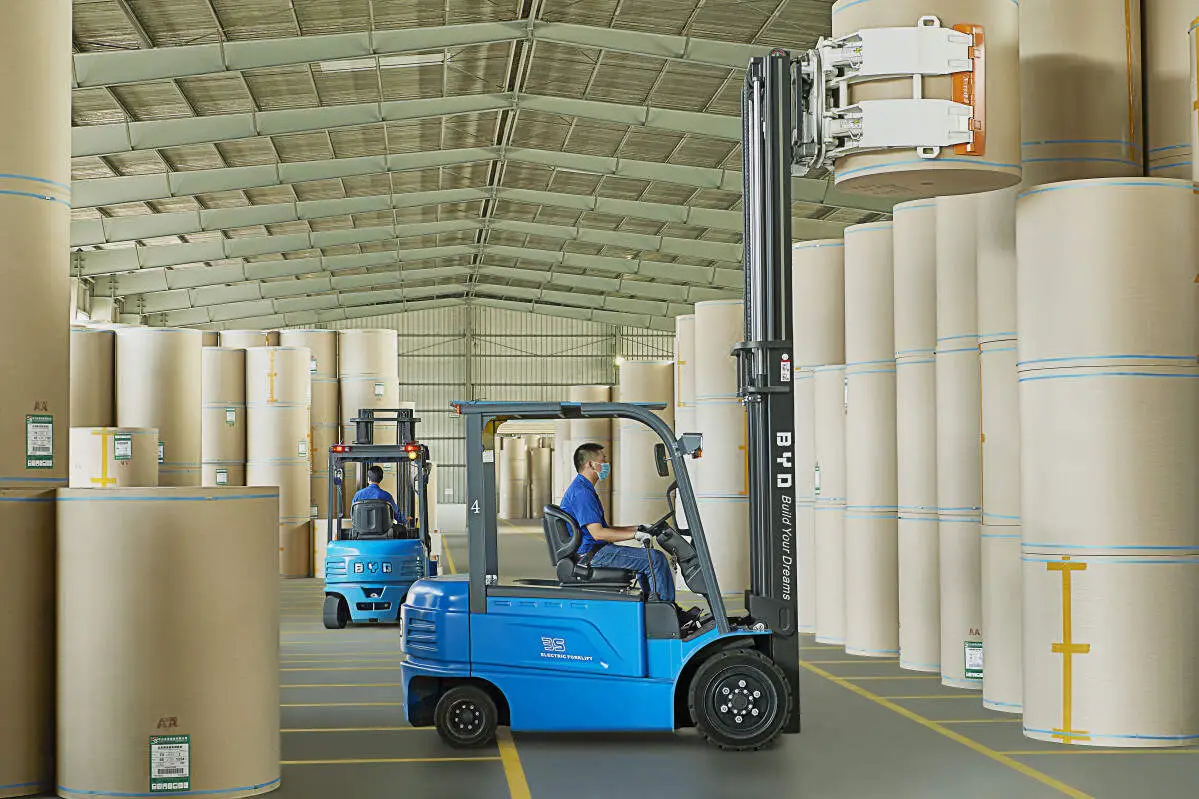
Efficient and safe material handling relies heavily on understanding the operational limitations of forklifts, especially when executing elevated lifting tasks. The maximum height a forklift can safely reach is not a fixed value but is influenced by multiple interconnected factors that operators and site managers must prioritize to mitigate risks and ensure compliance with industry safety standards.
One of the primary limitations affecting forklift max height during elevated lifts is the weight and distribution of the load. Forklifts are designed with specific load capacities at different lifting heights; as the mast extends, the effective load capacity decreases significantly. Overloading even slightly at maximum height can compromise the forklift’s stability, increasing the risk of tipping. Additionally, unevenly distributed loads shift the center of gravity, further reducing the safe lifting height. Operators must consult the forklift’s load capacity chart, which outlines safe height limits based on load weight and configuration, before initiating any elevated lifting task.
Environmental conditions also impose critical operational limitations. Indoor spaces with low ceiling heights, overhead pipes, or structural beams directly restrict the maximum height a forklift can reach. Outdoor operations face additional challenges, such as wind speeds—strong winds can create lateral forces that destabilize lifted loads, particularly at greater heights, requiring operators to reduce the maximum lifting height to maintain control. Uneven or slippery surfaces further compromise stability, making it unsafe to lift loads to the forklift’s rated maximum height, even if the load is within capacity.
Forklift equipment condition plays a vital role in determining safe max height limits. Worn mast components, faulty hydraulic systems, or damaged lift chains can impair the forklift’s ability to lift loads smoothly and securely to full height. Regular inspections and maintenance are essential to ensure all components are functioning correctly; any signs of wear or malfunction must be addressed before conducting elevated lifting tasks. Additionally, the type of forklift mast—whether it’s a standard mast, duplex mast, or triplex mast—dictates the maximum possible lifting height, with more complex masts offering greater reach but requiring stricter adherence to operational limitations.
Adherence to safety protocols and operator training is another key factor in managing max height limitations. Operators must receive comprehensive training on load handling, stability principles, and how to interpret load capacity charts. They should be trained to conduct pre-operation checks to identify potential issues that could affect lifting height safety. Moreover, site-specific rules, such as restricted height zones in busy warehouse areas, must be followed to prevent collisions with overhead structures or other equipment.
By acknowledging and addressing these operational limitations, organizations can create a safer work environment, reduce the likelihood of accidents, and optimize material handling efficiency. Prioritizing regular equipment maintenance, operator education, and situational awareness ensures that elevated lifting tasks are carried out in compliance with safety standards, protecting both personnel and valuable assets from harm.