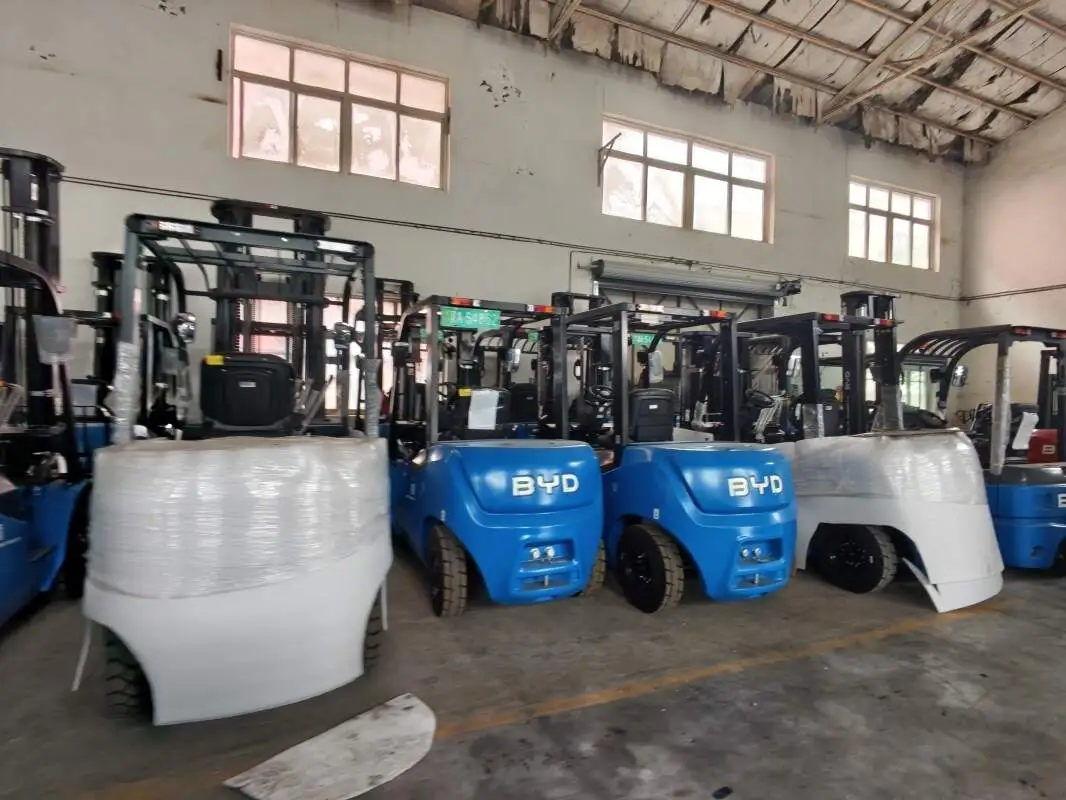
In modern logistics and warehouse management, slip-sheet adapted electric forklifts have emerged as a reliable solution for efficient space-saving material handling, offering an alternative to traditional pallet-based systems. Understanding their operational principles is essential to unlocking their full potential and ensuring safe, consistent performance across daily operations.
The foundation of a slip-sheet adapted electric forklift lies in its specialized attachment system, typically a push-pull device integrated with the forklift’s mast. Unlike standard forklifts that use fork tines to lift pallets, this attachment is engineered to securely grip the edge of a thin slip-sheet—usually made of plastic or cardboard—placed under a load. Electric forklifts provide steady, adjustable power to operate this attachment, allowing for smooth, controlled movements that minimize load shifting during handling. The compatibility between the electric forklift’s power system and the push-pull attachment ensures consistent grip strength and precise positioning, even when managing heavy or irregular loads.
The operational workflow of these forklifts follows a structured, straightforward process. First, the operator positions the forklift directly in front of the target load, aligning the push-pull attachment with the exposed edge of the slip-sheet. Next, the attachment extends forward to make contact with the slip-sheet, engaging its grip mechanism to hold the edge firmly. For loading operations, the attachment slides the slip-sheet under the load, creating a stable base for transport. For unloading, the forklift maneuvers to the desired location, then retracts the attachment to pull the slip-sheet out, transferring the load safely onto the surface. Once the load is secured, the attachment retracts fully, and the forklift is ready for the next task. The electric forklift’s responsive controls enable precise alignment and smooth movements, reducing the risk of load damage and operational delays.
To maintain optimal performance and safety, several key operational tips should be followed. Operators must conduct pre-operation checks to ensure the push-pull attachment is free from debris, which can compromise grip strength. Regular maintenance of both the electric forklift and its attachment is critical to prevent mechanical issues. Additionally, operators should be trained to adhere to specified weight limits, as slip-sheet systems have different load capacities compared to pallet-based systems. Electric forklifts’ low noise levels and zero-emission operation also contribute to a safer, more comfortable indoor working environment, reducing distractions and health risks for warehouse staff.
As a specialist in BYD electric forklifts, Jianshu New Energy offers a comprehensive range of slip-sheet adapted electric forklifts tailored to meet diverse logistics requirements. Our team of experts provides professional guidance on operation, maintenance, and attachment selection to help businesses optimize their material handling processes. For more information or to consult with our specialists, please reach out to us at 17399989919@163.com.