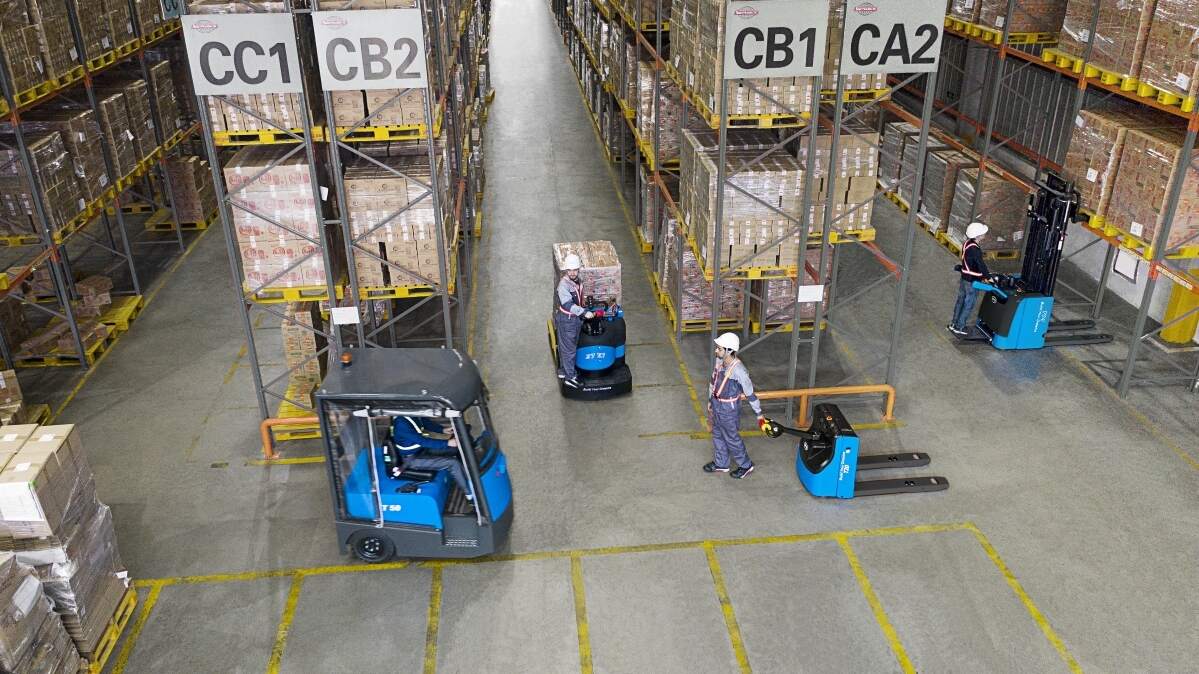
Forklifts are indispensable tools in warehouses, distribution centers, and manufacturing facilities, streamlining material handling tasks while posing significant safety risks if operated improperly. Adhering to OSHA-aligned operational standards is critical to mitigating these risks, protecting workers, and maintaining regulatory compliance.
Before any forklift operation, a thorough pre-use inspection is mandatory. This includes checking critical components such as brakes, steering mechanisms, tires, hydraulic systems, and lighting fixtures. Operators must verify that all controls function correctly, that the forklift has sufficient fuel or battery power, and that there are no visible signs of damage like leaks or cracked forks. Any issues identified during the inspection must be reported immediately, and the forklift should be taken out of service until repairs are completed.
During operation, operators must follow strict safety protocols to prevent accidents. This includes adhering to designated speed limits, which vary based on the workspace environment—slower speeds are required in narrow aisles, near pedestrians, or on uneven surfaces. Load balance is another key factor; operators must ensure loads are properly centered and secured to avoid tipping, and never exceed the forklift’s rated capacity. When navigating, operators should maintain a clear line of sight; if a load obstructs visibility, they must travel in reverse with caution. Additionally, operators should avoid sudden stops, sharp turns, and operating on inclines beyond the forklift’s specified limits.
OSHA requires that all forklift operators complete formal, certified training programs that combine classroom instruction and hands-on practice. Training covers topics such as forklift types, load handling, hazard identification, emergency procedures, and OSHA regulations. Operators must pass both a written exam and a practical demonstration to receive certification, which must be renewed periodically to ensure skills remain up-to-date. Employers are responsible for documenting all training and certification records.
Regular maintenance and periodic inspections are essential to keeping forklifts in safe operating condition. Daily inspections by operators complement scheduled professional maintenance, which includes servicing engines, replacing worn parts, and testing safety features. Employers must maintain detailed maintenance logs, documenting all repairs, replacements, and inspections to demonstrate compliance with OSHA standards.
By following OSHA-aligned operational standards, workplaces can significantly reduce the risk of forklift-related accidents, protect employee well-being, and avoid costly regulatory penalties. These standards not only ensure compliance but also contribute to a more efficient and productive work environment, where equipment operates safely and workers feel confident in their daily tasks.