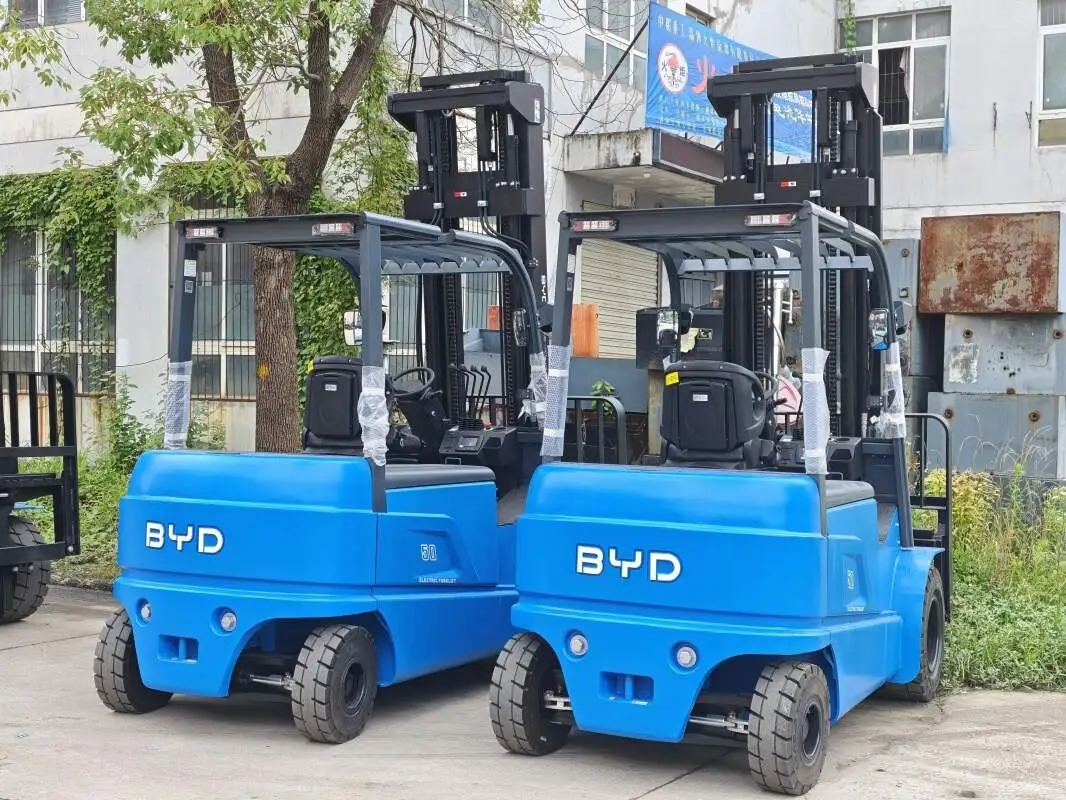
electric forklifts play a critical role in modern warehouse and logistics operations, delivering efficient material handling solutions while minimizing environmental impact. To ensure their long-term reliability and service life, adhering to OSHA (Occupational Safety and Health Administration)-compliant maintenance requirements is non-negotiable. These standards not only prioritize workplace safety but also help reduce unexpected downtime and repair costs, maximizing the return on investment for your equipment.
Pre-shift inspections are a foundational OSHA requirement for forklift safety and longevity. Operators must conduct daily visual checks of key components before starting operations. This includes examining tires for cuts, uneven wear, or improper inflation, which can compromise stability and handling. Brakes and steering systems should be tested for responsiveness, while hydraulic lines need inspection for leaks that could lead to performance issues or safety hazards. For electric models, battery terminals should be checked for corrosion, and charging status verified to avoid unexpected power loss during shifts. Any identified issues must be documented and reported promptly to maintenance teams for resolution.
Scheduled preventive maintenance is another core pillar of OSHA compliance. Based on equipment usage hours, this structured plan includes regular servicing tasks such as replacing air filters, lubricating moving parts, and calibrating safety features like lift limits and warning alarms. For electric forklifts, battery maintenance demands special attention: following proper charging cycles, cleaning terminals regularly, and monitoring fluid levels (for applicable battery types) helps preserve battery capacity and extend its operational life. Skipping these scheduled tasks can lead to premature component failure and non-compliance with OSHA regulations.
Component-specific care further supports long service life while meeting OSHA standards. Hydraulic systems require periodic fluid testing and replacement to maintain lifting efficiency and prevent leaks. Brake components should be inspected and adjusted regularly to ensure they meet performance benchmarks, as faulty brakes pose severe risks to operators and inventory. Tires should be rotated as needed to promote even wear, and damaged tires replaced immediately to avoid accidents. Additionally, electrical connections must be checked for loose wires or fraying to prevent short circuits or electrical malfunctions.
OSHA also mandates proper training and documentation for forklift maintenance. Only trained, authorized personnel should perform maintenance and repair tasks to ensure compliance with safety standards. Detailed records of all maintenance activities—including pre-shift inspection reports, service dates, and repair work—must be kept on file. These records not only prove compliance during OSHA audits but also help track equipment performance trends, allowing for proactive adjustments to maintenance plans.
By strictly following these OSHA-compliant maintenance requirements, you can significantly extend the service life of your electric forklift fleet, ensuring consistent performance and workplace safety. For customized guidance on developing a maintenance plan tailored to your specific needs, reach out to Jianshu New Energy at 17399989919@163.com. Our team of electric forklift experts is committed to helping you maintain compliance and maximize the value of your equipment investment.