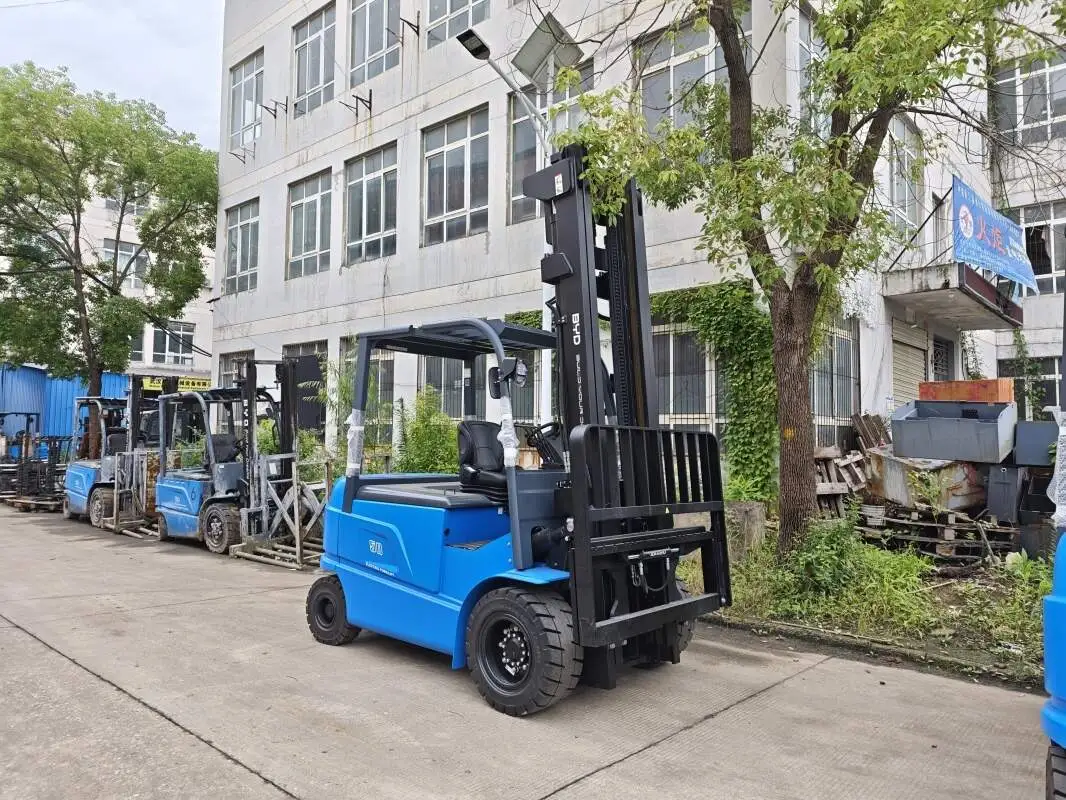
forklift horns are critical safety components in industrial workplaces, designed to alert pedestrians, other operators, and nearby personnel of a forklift’s presence. The Occupational Safety and Health Administration (OSHA) has established clear regulatory standards for forklift horns to minimize the risk of collisions, injuries, and fatalities in warehouses, manufacturing facilities, and distribution centers.
OSHA’s Mandatory Forklift Horn Requirements
OSHA mandates that all powered industrial trucks (PITs), including forklifts, must be equipped with a functional horn capable of emitting a sound loud enough to be heard above ambient workplace noise levels. Operators are required to activate the horn in specific scenarios: when approaching intersections, blind corners, doorways, or areas with limited visibility; when navigating crowded work zones; and when approaching personnel who may not notice the forklift’s presence. Failure to follow these usage rules can lead to citations and penalties, as OSHA recognizes proper horn operation as a core element of forklift safety.
Performance and Maintenance Standards
Beyond basic functionality, OSHA specifies that forklift horns must maintain consistent performance. The horn should produce a distinct, non-muffled sound detectable at a minimum distance of 20 feet under typical workplace conditions. Regular maintenance is essential to keep horns operational. Employers bear responsibility for conducting routine inspections of forklift horns as part of pre-shift equipment checks. Any damage, wear, or malfunction must be addressed immediately, and non-functional horns must be repaired or replaced before the forklift is used for operational tasks.
Training and Compliance Verification
OSHA requires all forklift operators to receive comprehensive training on proper horn use, including when to activate the horn and how to identify situations where horn use is necessary. Training programs must cover OSHA’s specific regulatory standards, as well as workplace-specific protocols tailored to the facility’s layout and operations. Employers must also implement regular compliance audits to ensure operators adhere to horn usage rules. These audits may include observing operator behavior, reviewing inspection records, and addressing compliance gaps through additional training or corrective actions.
Addressing Common Compliance Gaps
Common compliance issues related to forklift horns include operators failing to use the horn in required situations, malfunctioning horns left unrepaired, and insufficient training on OSHA standards. To mitigate these risks, employers should establish clear horn usage policies, schedule regular maintenance checks, and provide ongoing refreshers for operators. Additionally, posting visible reminders in high-traffic areas—such as signs indicating horn requirements at intersections—can reinforce proper behavior and reduce accident likelihood.
Adhering to OSHA’s forklift horn regulatory standards is both a legal obligation and a critical step in creating a safe work environment. By ensuring forklifts have functional horns, operators are trained in proper usage, and maintenance protocols are consistently followed, employers can significantly reduce workplace incident risks and protect personnel well-being.