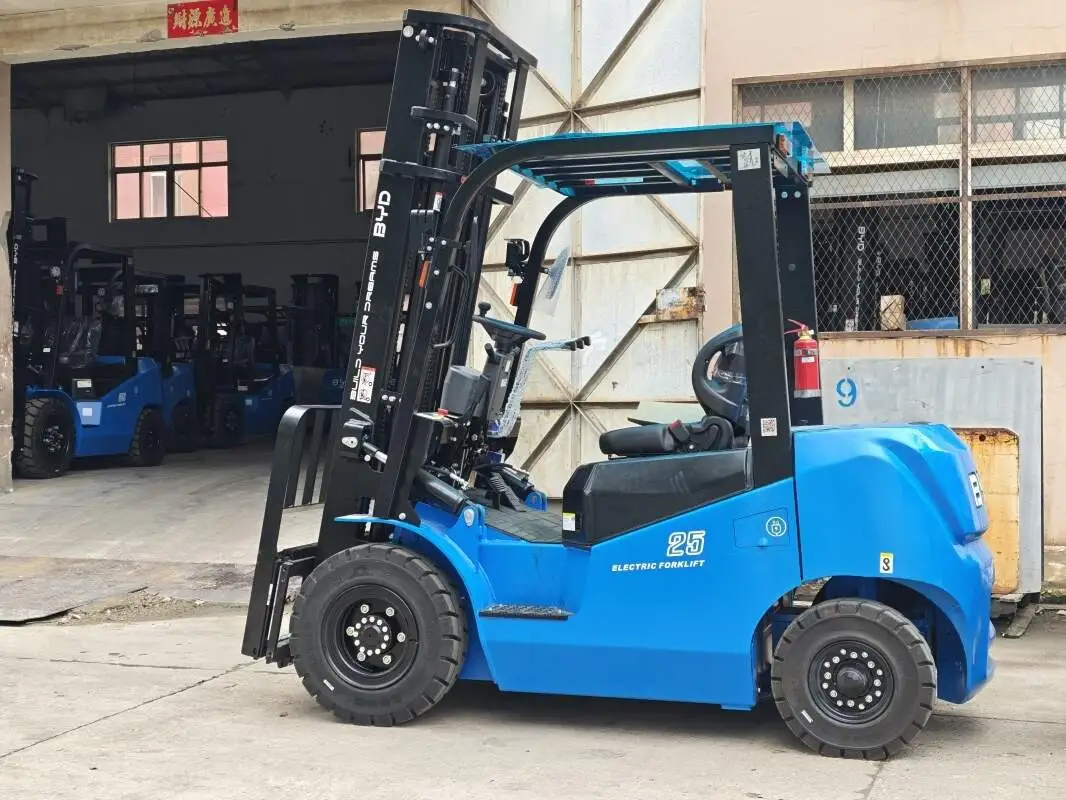
The global forklift industry stands as a cornerstone of modern logistics, warehouse operations, and industrial material handling, enabling efficient movement and storage of goods across diverse sectors. As market demand for versatile, reliable lifting equipment grows, manufacturers worldwide have cultivated distinct core strengths to address varying operational needs, regional regulations, and industry trends.
In North America, forklift manufacturers prioritize heavy-duty durability and customizable solutions tailored to rigorous working environments. Their product lines are engineered to withstand frequent use in outdoor construction sites, large-scale distribution centers, and cold storage facilities. A focus on ergonomic design is also prominent, with features like adjustable seating, intuitive control panels, and reduced noise levels to enhance operator comfort during extended shifts, thereby boosting productivity and workplace safety. Customization options allow businesses to adapt forklifts to specific tasks, such as specialized attachment compatibility for handling unique cargo types.
European forklift manufacturers lead in eco-friendly innovation and precision engineering, driven by strict regional environmental regulations. A significant portion of their offerings includes electric and hybrid forklifts that minimize carbon emissions while maintaining high performance levels. These models integrate advanced battery technologies to extend operating time and reduce charging cycles, alongside precision control systems that enable smooth maneuverability in narrow warehouse aisles. Energy-efficient components and sustainable manufacturing practices further underscore their commitment to reducing the environmental footprint of material handling operations.
Asian forklift manufacturers have established a strong global presence through cost-effectiveness and large-scale production capabilities. Their products deliver reliable performance at competitive price points, making them accessible to small and medium-sized businesses as well as large enterprises. Many Asian manufacturers excel in adapting to emerging market demands, developing compact forklifts for small warehouse spaces and automated guided forklifts to support smart logistics systems. Efficient supply chain management and streamlined production processes enable them to meet high-volume orders and deliver products to global markets with shorter lead times.
Across all regions, a shared trend is the integration of smart technologies into forklift designs. Real-time telematics systems allow fleet managers to monitor vehicle performance, track location, and schedule predictive maintenance, reducing downtime and optimizing operational efficiency. Automated navigation features, powered by AI and sensor technology, are becoming more prevalent, enabling forklifts to operate autonomously in controlled environments, further enhancing safety and productivity.
As the industry continues to evolve, global forklift manufacturers are aligning their product development with sustainability goals and digital transformation. Whether businesses prioritize rugged durability for heavy industrial use, eco-friendly solutions for green operations, cost-effective models for budget-conscious needs, or smart technologies for automated workflows, the global market offers specialized options to meet every requirement. Understanding these core strengths helps businesses make informed decisions when selecting material handling equipment that aligns with their operational objectives.