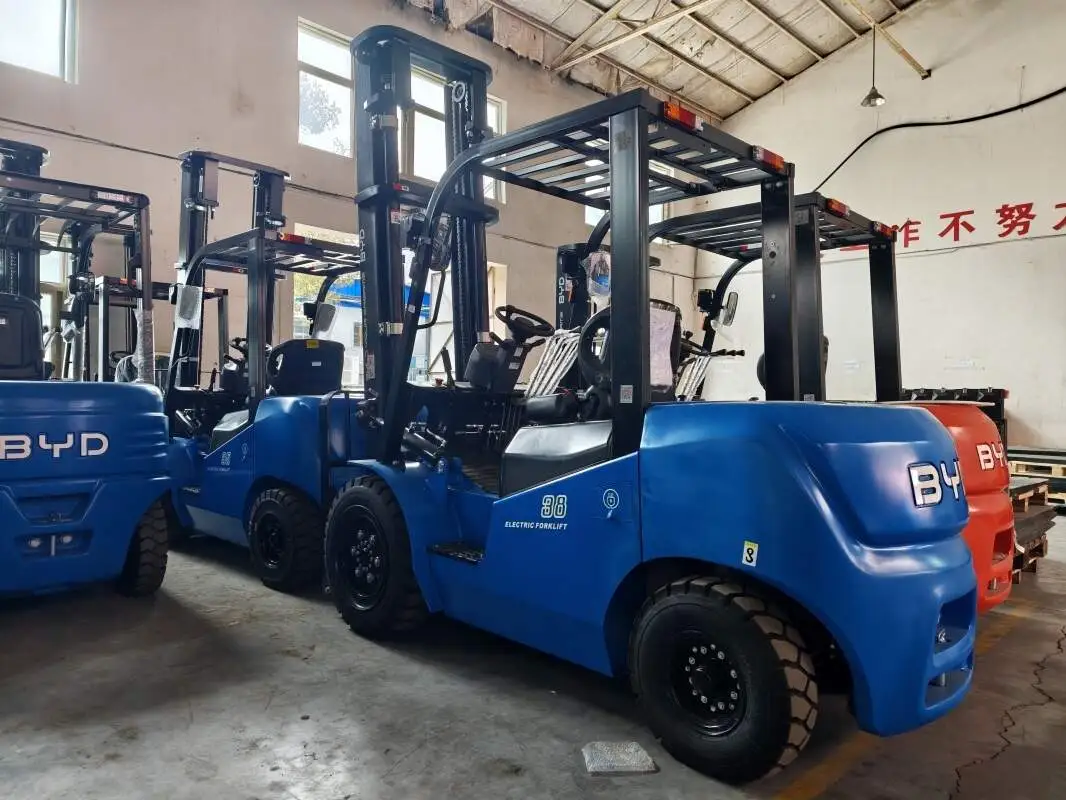
forklift fork spread adjustments are a critical component of safe and efficient material handling operations, allowing operators to accommodate loads of varying widths. However, the effectiveness of these adjustments relies heavily on robust lock-in mechanisms and adherence to strict lock-in requirements, which are designed to prevent accidental fork movement during operation.
At the core of lock-in requirements is the mandate for reliable mechanical locking systems. These systems must be engineered to securely hold forks in their adjusted position, even under heavy load conditions and frequent operational vibrations. Regulatory bodies emphasize that lock-in mechanisms must engage automatically or require deliberate, positive action from the operator to disengage, eliminating the risk of unintended shifts that could lead to load instability or workplace incidents.
Another key aspect of lock-in requirements is regular inspection and maintenance. Operators and maintenance teams must conduct pre-shift checks to ensure lock-in mechanisms are free from debris, corrosion, or wear that could compromise their functionality. Any signs of damage—such as broken latches, loose components, or reduced engagement force—require immediate repair or replacement, as faulty lock-in systems pose significant safety hazards, including potential tip-overs and load falls.
Operational protocols also form a critical part of lock-in requirements. Before initiating any load handling task, operators must verify that forks are properly locked in the desired spread position. This includes visually inspecting lock-in indicators (if integrated into the forklift design) and applying gentle manual pressure to confirm no lateral movement. Additionally, operators are required to receive comprehensive training on proper adjustment and locking procedures, ensuring they understand the role of lock-in mechanisms in maintaining operational safety and the consequences of non-compliance.
Compliance with industry standards is essential for meeting lock-in requirements. These standards outline specific design criteria for lock-in mechanisms, such as minimum load-bearing capacity, consistent engagement force, and durability testing under simulated operational conditions. Organizations must ensure their forklifts meet these standards through regular third-party audits and certification, avoiding regulatory penalties and fostering a safe working environment for all personnel.
In conclusion, lock-in requirements for forklift fork spread adjustments are foundational elements of safe material handling practices, rather than just regulatory obligations. By prioritizing robust locking systems, consistent maintenance routines, thorough operator training, and adherence to industry standards, organizations can minimize workplace risks, enhance operational efficiency, and protect both personnel and valuable assets from potential harm.