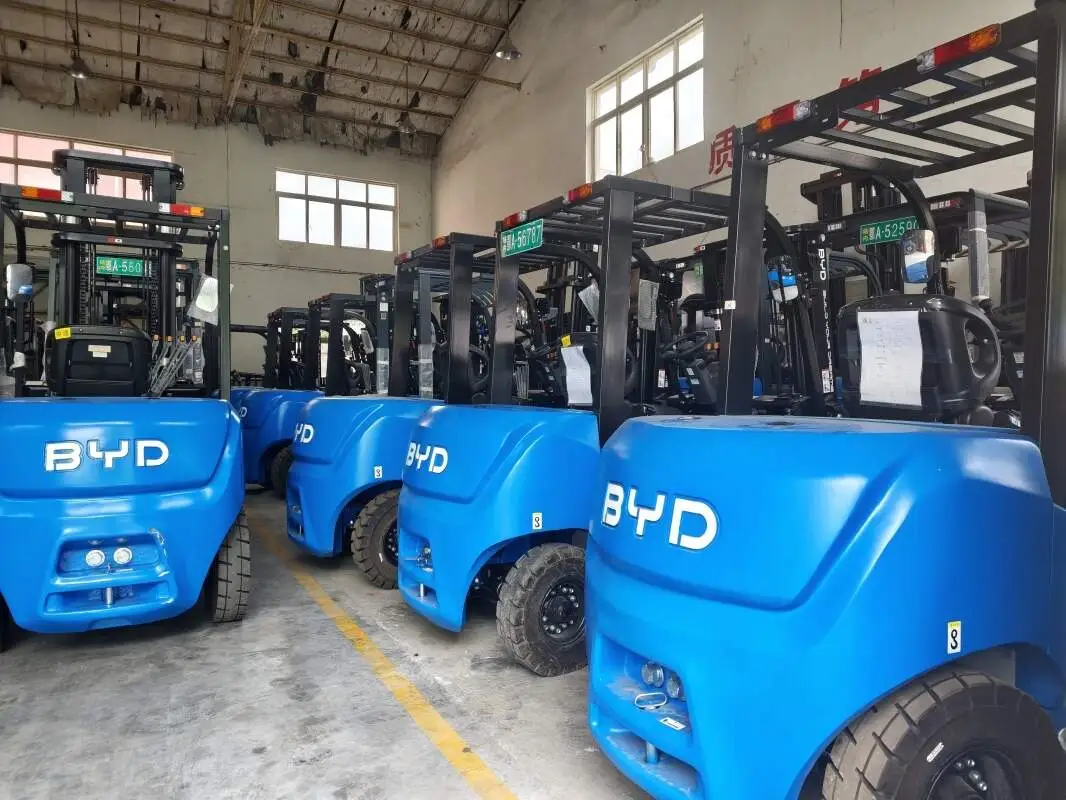
When it comes to electric forklifts, the choice of battery directly impacts operational efficiency, downtime, and long-term costs. Two dominant options in the market are lithium-ion and lead-acid batteries, each with distinct performance characteristics that cater to different operational needs. Understanding these differences is key to making an informed decision that aligns with your warehouse or logistics requirements.
One of the most notable differences lies in charging efficiency and time. Lead-acid batteries typically require extended charging periods, often 8-10 hours, followed by a cooling-off period to prevent overheating. This means forklifts powered by lead-acid batteries may need dedicated downtime for charging, potentially disrupting workflow. In contrast, lithium-ion batteries can reach 80% charge in as little as 1-2 hours, with no need for a cooling phase. This rapid charging capability allows for opportunity charging during short breaks, maximizing forklift uptime and productivity.
Lifespan is another critical factor. Lead-acid batteries generally have a lifespan of 1,000-1,500 charge cycles, depending on usage and maintenance. Regular water top-ups, cleaning of terminals, and proper charging practices are essential to extend their life. Lithium-ion batteries, however, offer a longer lifespan of 3,000-5,000 charge cycles, reducing the frequency of battery replacements. Their sealed design also means they require minimal maintenance, eliminating the need for routine water checks or terminal cleaning.
Energy density and load-bearing capacity also set the two battery types apart. Lithium-ion batteries have a higher energy density, meaning they can store more energy in a smaller, lighter package. This reduces the overall weight of the forklift, allowing for better maneuverability and potentially higher load capacities in some models. Lead-acid batteries, while heavier, have been a reliable option for lower-intensity operations where weight is less of a concern. However, their lower energy density means they may require more frequent recharges during long shifts.
When evaluating total cost of ownership, it’s important to consider both upfront and long-term expenses. Lead-acid batteries have a lower initial purchase price, making them an attractive option for businesses with tight budgets. However, their shorter lifespan and higher maintenance costs can add up over time. Lithium-ion batteries have a higher upfront cost, but their longer lifespan, lower maintenance requirements, and higher efficiency result in lower long-term costs, making them a cost-effective choice for high-usage operations.
Choosing between lithium-ion and lead-acid batteries depends on your specific operational needs, budget, and productivity goals. For businesses seeking maximum uptime and long-term cost savings, lithium-ion batteries may be the preferred option, while lead-acid batteries remain a reliable choice for less intensive use cases. If you’re looking to invest in electric forklifts, Jianshu New Energy specializes in BYD electric forklifts, offering tailored solutions to meet your logistics needs. Feel free to reach out to us at 17399989919@163.com for more information and guidance.