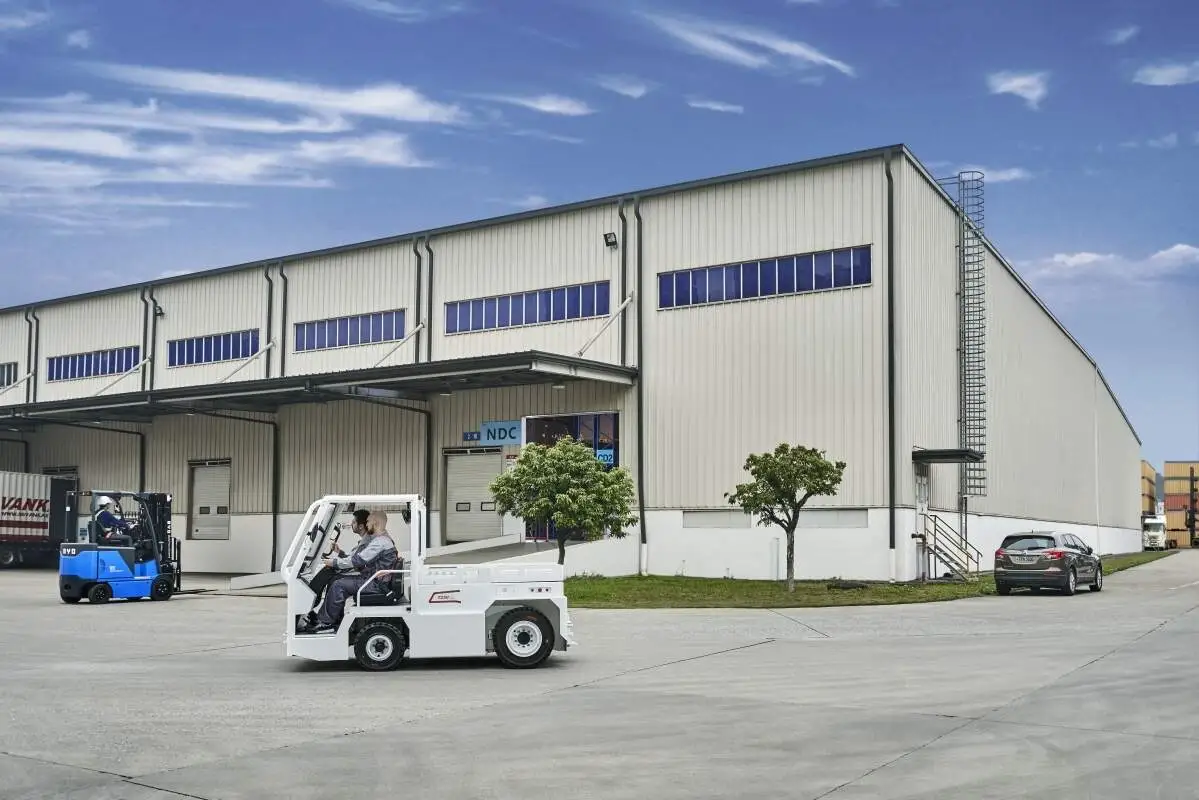
Pneumatic tires are a critical component for forklifts, directly impacting operational efficiency and safety across diverse work environments. Understanding their terrain compatibility and proper wear-related maintenance is key to maximizing tire lifespan and reducing downtime.
Terrain Compatibility
On smooth paved terrains like warehouse loading docks or urban distribution centers, pneumatic tires deliver stable traction and shock absorption, reducing driver fatigue during long shifts. However, continuous contact with hard surfaces accelerates tread wear, making regular visual inspections essential.
In outdoor settings such as construction yards or agricultural fields with loose gravel, mud, or uneven ground, pneumatic tires excel thanks to deep, aggressive treads that grip loose materials and absorb rough terrain impacts. Operators should reduce speed and avoid sudden maneuvers to minimize tire strain.
Wet or slippery terrains pose challenges, but pneumatic tires’ tread patterns channel water away to maintain traction. Prolonged exposure to standing water can cause rubber degradation, so dry tires and inspect for cracks or soft spots after use in wet conditions.
Wear-Related Maintenance Guidance
Weekly wear inspections are foundational. Check tread depth, look for cracks, bulges, embedded debris, or uneven wear that may signal pressure issues or poor driving habits. Replace tires when tread depth falls below 1/8 inch to ensure consistent traction.
Proper air pressure management is critical. Incorrect pressure is a top cause of premature wear: overinflation causes excessive center tread wear, while underinflation leads to sidewall damage and uneven tread wear. Use a calibrated gauge to check pressure monthly, adjusting for forklift load capacity and terrain.
Routine cleaning prevents wear. After each use, remove rocks, dirt, or sharp objects from treads. These materials cause abrasion or punctures if left embedded, accelerating wear and increasing failure risk.
Operator behavior also impacts tire lifespan. Encourage smooth operation, avoiding sudden stops, sharp turns, or overloading—all actions that stress tires and cause uneven, premature wear. Regular training reinforces these best practices.
By matching pneumatic tire use to terrain needs and following consistent maintenance, businesses boost forklift performance, cut replacement costs, and maintain a safer work environment.