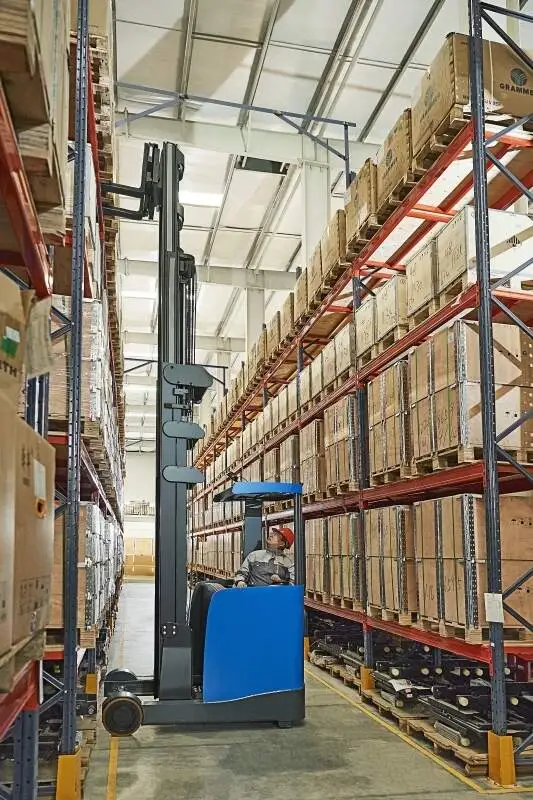
Deploying electric forklifts can significantly boost operational efficiency and sustainability in industrial, warehouse, and logistics settings. However, their seamless integration and long-term performance rely heavily on a comprehensive evaluation of the working environment prior to installation. As an electric forklift expert, I’ll break down critical considerations to ensure a smooth deployment process.
First, assess the space layout and manoeuvring clearance. Electric forklifts have specific turning radii and dimensions that require adequate space for safe operation. Measure aisle widths to confirm they align with the forklift’s turning requirements, accounting for additional clearance around racks, columns, and fixed equipment like fire extinguishers or loading docks. Also, plan clear routes for loading, unloading, and storage operations to avoid congestion and collision risks, ensuring operators can manoeuvre without unnecessary obstacles.
Next, evaluate ground conditions. The integrity and quality of the working surface directly impact forklift stability and component lifespan. Inspect for uneven floors, cracks, or potholes that could cause tipping or damage to the forklift’s tires and suspension. Check for slippery surfaces caused by spills or moisture, as these increase accident risks. Additionally, verify that the floor can support the forklift’s maximum loaded weight to prevent structural damage or safety hazards.
Then, review charging infrastructure availability. Electric forklifts depend on reliable charging systems to maintain operational uptime. Identify suitable locations for charging stations—preferably near work zones but not blocking pedestrian or vehicle traffic. Ensure the site has access to sufficient power capacity and compatible voltage to support simultaneous charging if multiple forklifts are deployed. Consider safety features like proper ventilation and fire prevention measures in charging areas, as well as scheduling strategies to avoid disrupting daily operations during charging cycles.
Fourth, analyze environmental climate factors. Extreme temperatures, high humidity, or exposure to outdoor elements can affect electric forklift battery performance and longevity. If operating in cold environments, battery efficiency may decrease, requiring additional thermal management solutions. For outdoor or humid settings, ensure the forklift has appropriate protection against rain, dust, and UV rays to prevent corrosion and electrical issues.
Finally, confirm compliance with safety regulations. Ensure the working environment meets local safety standards, including adequate lighting for low-visibility areas, clearly marked pedestrian walkways separate from forklift routes, and accessible emergency exits. Install appropriate signage, such as speed limits, charging area warnings, and hazard markers, to guide operators and reduce accident risks.
By addressing these key evaluation points, you can mitigate potential challenges and optimize the performance of your electric forklift fleet. If you’re looking to deploy BYD electric forklifts, Jianshu New Energy, a specialist in BYD electric forklifts, offers professional guidance and customized solutions tailored to your specific environment. Reach out to us at 17399989919@163.com for expert support.