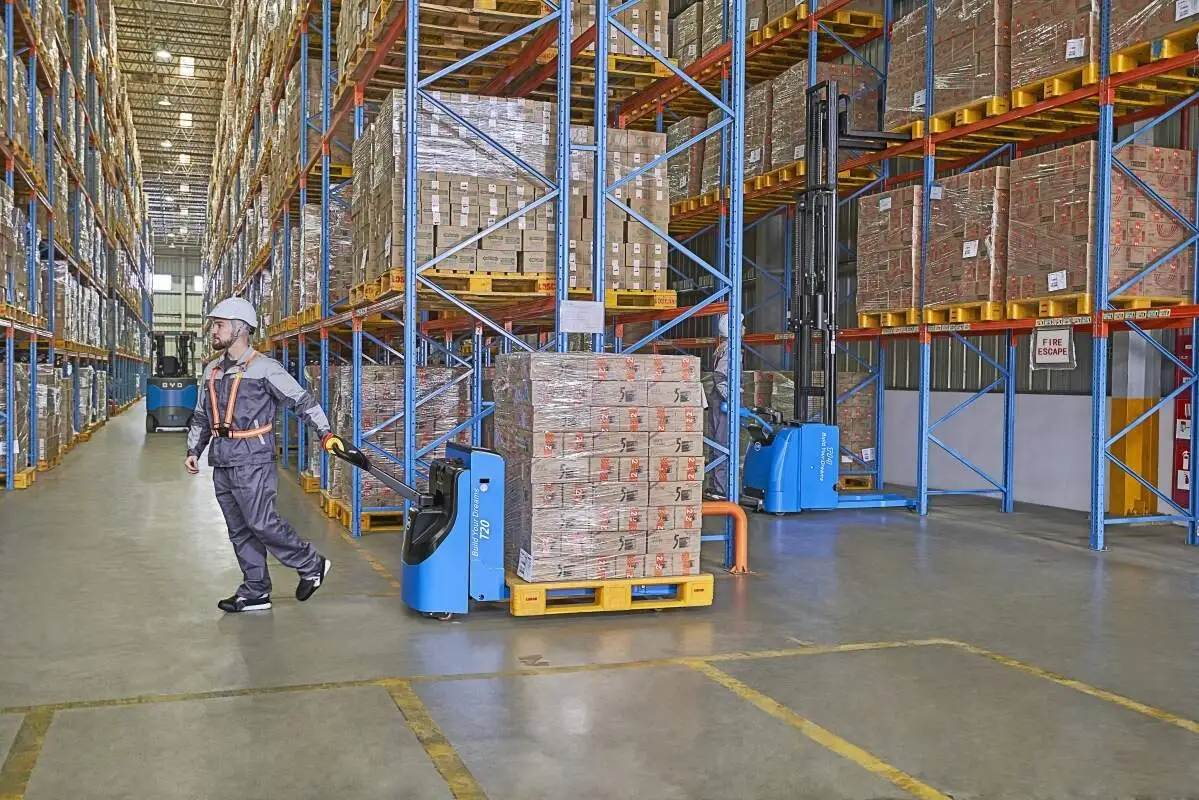
After any maintenance work on an electric forklift, conducting a thorough load test is essential to verify that all components function correctly and the forklift operates safely under rated conditions. Skipping or rushing this step can lead to unexpected failures, safety hazards, and costly downtime. Below are key points to observe to ensure the load test is effective and compliant with safety standards.
Pre-Test Preparation
Before initiating the load test, complete preliminary checks to lay a foundation for accurate assessment. First, confirm the electric forklift’s battery is fully charged; insufficient power can skew results and create false assumptions about performance. Inspect hydraulic fluid levels and check for leaks in hydraulic lines, as this system is critical for lifting and lowering loads. Additionally, examine the brake system—including foot and parking brakes—to ensure they engage smoothly and hold firmly. Walk around the forklift to check tires for proper inflation and wear damage, as compromised tires affect stability during testing. Finally, ensure the test area is clear of obstacles, personnel, and equipment, providing a safe, interruption-free space.
In-Test Monitoring and Observations
Once pre-test checks are done, start the load test with gradual weight increases to avoid straining components unnecessarily. Begin with 50% of the forklift’s rated capacity, then increment to 75% and finally 100%. During each stage, focus on these key aspects:
1. Lifting and Lowering Performance: As you lift the load to maximum height, monitor the hydraulic system for smooth operation. Listen for unusual noises like grinding or squealing, which may indicate issues with lift cylinders or pumps. Ensure the load stays stable without excessive tilting during lifting, and the descent is controlled with no sudden drops.
2. Maneuverability: Drive the loaded forklift through turns, forward and reverse, at safe speeds. Observe steering response—does it react smoothly, or is there excessive play? Confirm the forklift maintains stability without swaying, especially during turns that stress the frame and wheels.
3. Brake Functionality: Test brakes at different speeds while carrying the load. The forklift should stop quickly and smoothly without skidding. Test the parking brake on a slight incline to verify it holds the loaded forklift securely.
4. Component Health: Monitor temperatures of key components like the motor, battery, and hydraulic pump during testing. Unusual overheating may signal underlying issues like a faulty motor or clogged hydraulic lines. Note excessive vibrations, which could indicate loose parts or misaligned components.
Post-Test Evaluation and Documentation
After completing the load test, lower the load and turn off the forklift. Conduct a final inspection of all components, checking for damage or wear caused during testing. Document all observations, including load levels tested, unusual noises or vibrations, and system performance. Address any identified issues promptly before returning the forklift to operational use.
If you require professional support for electric forklift maintenance or load testing services, contact Jianshu New Energy, a specialized provider of electric forklifts. Reach us via email at 17399989919@163.com for further assistance.