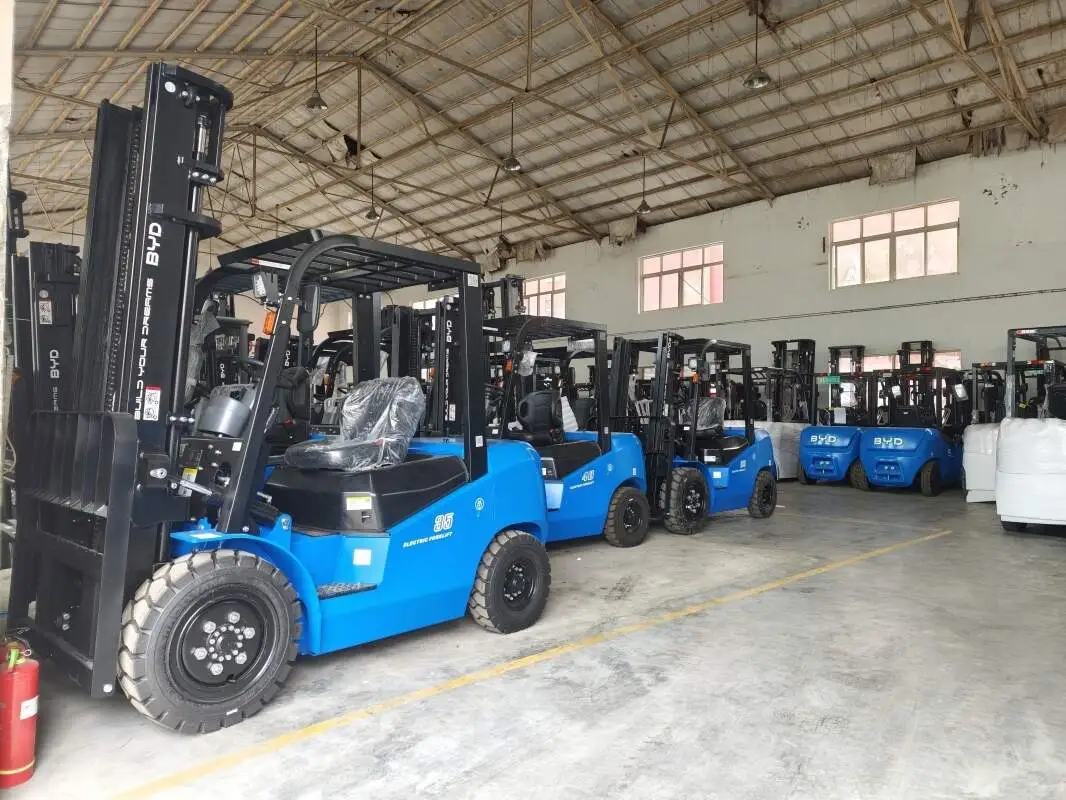
In today’s dynamic material handling landscape, mobile operation needs are on the rise. From temporary construction sites to small-scale warehouse replenishment and off-site logistics tasks, businesses require equipment that can keep pace with shifting work locations and varied load requirements. Portable self-loading forklifts have emerged as a practical solution to meet these demands, offering a range of core advantages that address the unique challenges of on-the-go material handling.
One of the key advantages of portable self-loading forklifts is their enhanced portability and rapid deployment. Unlike traditional forklifts that require specialized transport vehicles for relocation, these compact units are designed to be easily moved between sites, either by trailer or even some models can be transported in standard delivery vehicles. Their streamlined size allows them to access narrow spaces where larger equipment cannot operate, making them ideal for tasks in urban areas or confined work zones. This flexibility ensures that teams can respond quickly to urgent material handling requests without delays associated with equipment transport and setup.
Another core advantage lies in their self-loading capability, which simplifies operational workflows. Traditional forklifts often require additional equipment or manual labor to load materials onto their forks, especially when working in remote locations with limited support. Portable self-loading forklifts integrate mechanisms that allow operators to load and position materials independently, reducing reliance on extra resources and cutting down on task completion time. This feature is particularly beneficial for small teams or solo operators who need to handle material moving tasks efficiently without additional assistance.
As electric-powered equipment, portable self-loading forklifts also offer environmental and operational benefits. Producing zero tailpipe emissions, they are suitable for use in indoor spaces, urban environments, and areas with strict environmental regulations. Additionally, electric operation ensures quieter performance compared to diesel-powered alternatives, minimizing noise pollution in residential or noise-sensitive work areas. Lower maintenance requirements, due to fewer moving parts in electric systems, also contribute to reduced long-term operational costs, making them a cost-effective choice for businesses looking to optimize their material handling budgets.
Furthermore, these forklifts exhibit strong adaptability to diverse work scenarios. They can handle a variety of load sizes and weights within their specified capacity range, supporting tasks from moving small pallets to heavier construction materials. Some models are equipped with features that enhance stability on uneven terrain, allowing them to operate effectively on outdoor job sites with unpaved surfaces. This versatility means that businesses can use a single piece of equipment for multiple tasks, eliminating the need to invest in different types of material handling tools for different scenarios.
For businesses seeking reliable portable self-loading electric forklifts, Jianshu New Energy specializes in BYD electric forklifts, providing solutions tailored to mobile operation needs. If you have inquiries or require more information about suitable models, feel free to contact us at 17399989919@163.com.