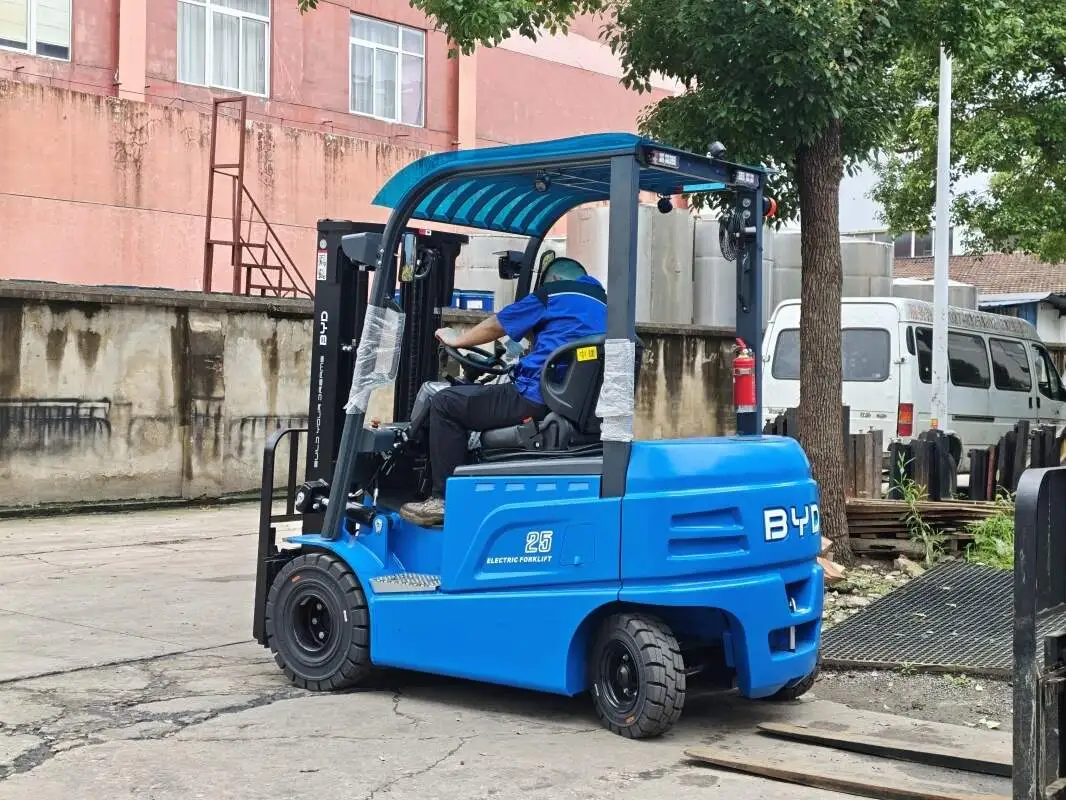
Forklifts are indispensable tools in warehouses, distribution centers, and construction sites, streamlining material handling tasks significantly. However, their powerful machinery and heavy loads pose inherent risks, making operators vulnerable to various injuries if proper safety protocols are not followed. Understanding the key injury-prone areas and implementing targeted safety measures is crucial to creating a secure work environment.
First, the operator’s upper body and head are frequent targets of injury. Heavy loads can shift unexpectedly during lifting or transportation, leading to falling objects that strike the operator’s head, shoulders, or chest. Additionally, collisions with overhead structures or other equipment can cause blunt force trauma. To mitigate these risks, operators must always wear a certified safety helmet to protect against impacts. Before lifting any load, conduct a thorough inspection to ensure it is properly secured and balanced. Avoid exceeding the forklift’s rated load capacity, as overloading increases the likelihood of load instability and collapse.
Next, hands and fingers are highly susceptible to pinching, crushing, or laceration injuries. Operators often use their hands to adjust loads, operate controls, or maneuver items near the forklift’s forks. Moving parts like the fork carriage or mast can trap fingers if care is not taken. To prevent hand injuries, avoid placing hands or fingers between the forks, carriage, or any moving components. Use appropriate tools such as load pushers or hooks to adjust loads instead of manual handling. Ensure all control levers are operated smoothly and never force them, as stuck controls can lead to sudden movements that catch hands off guard.
The lower body and feet are also at risk, particularly from being crushed by the forklift’s wheels or struck by falling materials. Operators may step into the path of the forklift when dismounting quickly, or loose debris on the floor can cause slips that lead to falls under the vehicle. Wearing steel-toe safety boots is essential to protect feet from heavy objects and wheel impacts. Maintain a clear, unobstructed work area free from clutter or spilled liquids to reduce slip-and-fall risks. When dismounting the forklift, always set the parking brake, lower the forks to the ground, and use the designated steps and handholds to ensure a stable descent.
Back and spine injuries are common due to improper lifting techniques or prolonged sitting in awkward positions. Operators may strain their backs when manually assisting with load placement or when the forklift’s seat lacks proper lumbar support. To avoid back injuries, rely on the forklift’s lifting capabilities instead of manually lifting heavy items. Adjust the operator’s seat to maintain a neutral spine position, ensuring adequate back support. Take regular breaks to stretch and move around, especially during long shifts, to reduce muscle fatigue and strain.
Finally, visibility-related hazards can lead to collisions that cause injuries to both operators and bystanders. Forklifts have blind spots, especially when carrying large loads, making it difficult to see pedestrians or obstacles in the path. Operators should always check all mirrors before moving and use the horn to alert others of their presence. Avoid operating the forklift while distracted by mobile devices or conversations. In areas with limited visibility, use spotters to guide the forklift and ensure safe maneuvering.
In conclusion, prioritizing forklift safety requires a combination of awareness, proper training, and consistent adherence to safety protocols. By understanding the potential injury-prone areas and implementing the corresponding safety tips, operators can significantly reduce the risk of accidents and injuries. Regular safety training sessions and equipment inspections should be conducted to reinforce best practices and ensure all forklifts are in optimal working condition.