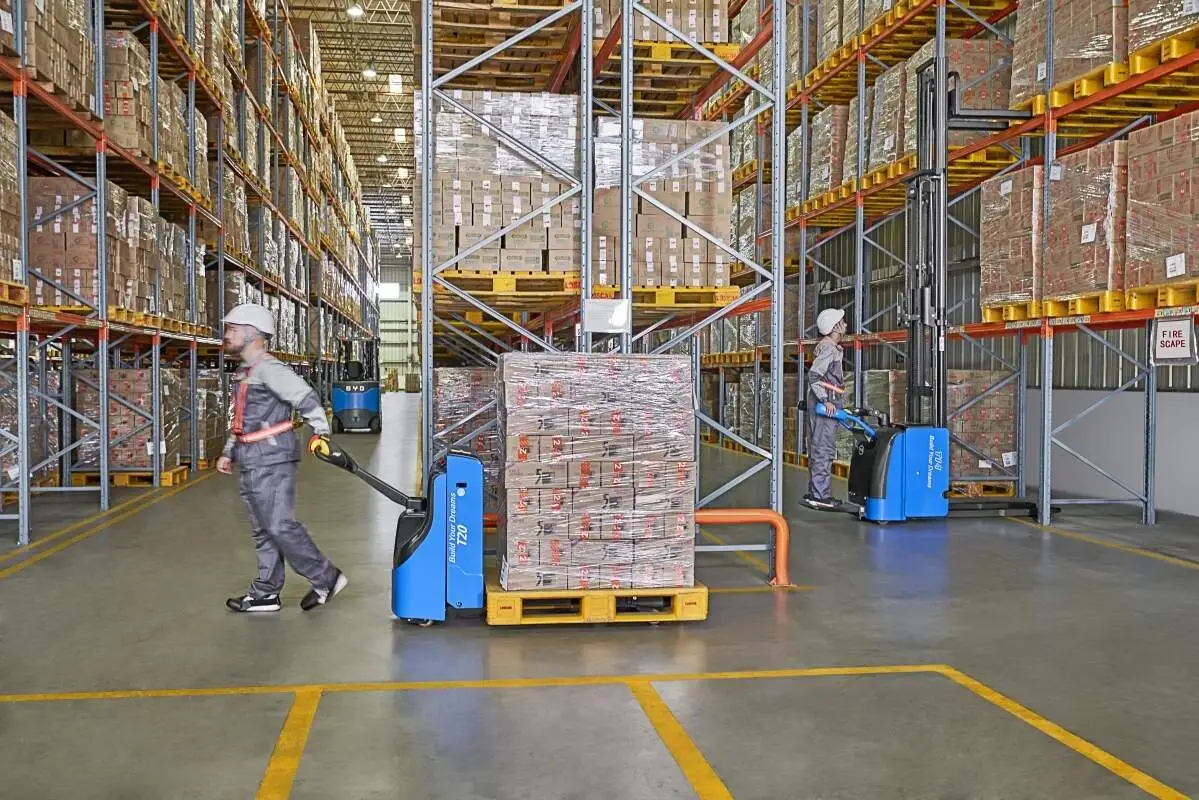
forklift battery chargers are vital to sustaining the performance and longevity of industrial material handling equipment. Adhering to standardized power parameters is essential to prevent premature battery degradation, cut energy waste, and reduce safety risks in warehouse and logistics environments.
Input and output voltage alignment forms the foundation of these standards. Different forklift battery types—such as lead-acid and lithium-ion—require specific voltage ranges to support optimal charging. International bodies like the International Electrotechnical Commission (IEC) and American National Standards Institute (ANSI) define acceptable voltage tolerances. For instance, lead-acid batteries typically operate within 24V to 80V ranges, while lithium-ion batteries have narrower tolerances to avoid overcharging or undercharging, which can harm battery health and safety.
Charging current limits are another key standard. The current delivered during charging must match the battery’s rated capacity to avoid thermal stress. Most guidelines recommend a charging current between 0.1C and 0.3C for lead-acid batteries, where "C" represents the battery’s amp-hour capacity. Lithium-ion batteries may allow slightly higher rates, but strict limits prevent excessive heat buildup that could cause swelling or failure. Consistent current delivery within specified fluctuation ranges also maintains steady charging cycles and extends battery life.
Energy efficiency and power factor standards are gaining traction as industries prioritize cost and carbon reduction. Regional regulations like the EU’s Energy-related Products (ERP) directive mandate minimum efficiency levels for industrial chargers, often requiring a power factor of 0.9 or higher to minimize grid energy loss. Chargers meeting these benchmarks not lower electricity use but also reduce long-term operational expenses for businesses.
Safety-focused power parameters are non-negotiable. Standards define thresholds for overcurrent and overvoltage protection, ensuring chargers adjust or shut down if parameters exceed safe limits. Temperature-compensated charging is another critical requirement; chargers must adjust power output based on ambient temperature to prevent overcharging in heat or undercharging in cold conditions. These mechanisms align with global electrical safety standards to mitigate risks of short circuits, fires, or battery damage.
In summary, complying with power parameter standards for forklift battery chargers is a strategic investment. By selecting compliant chargers and regularly verifying parameter accuracy, businesses can optimize battery performance, cut maintenance costs, and create safer working environments for their teams.