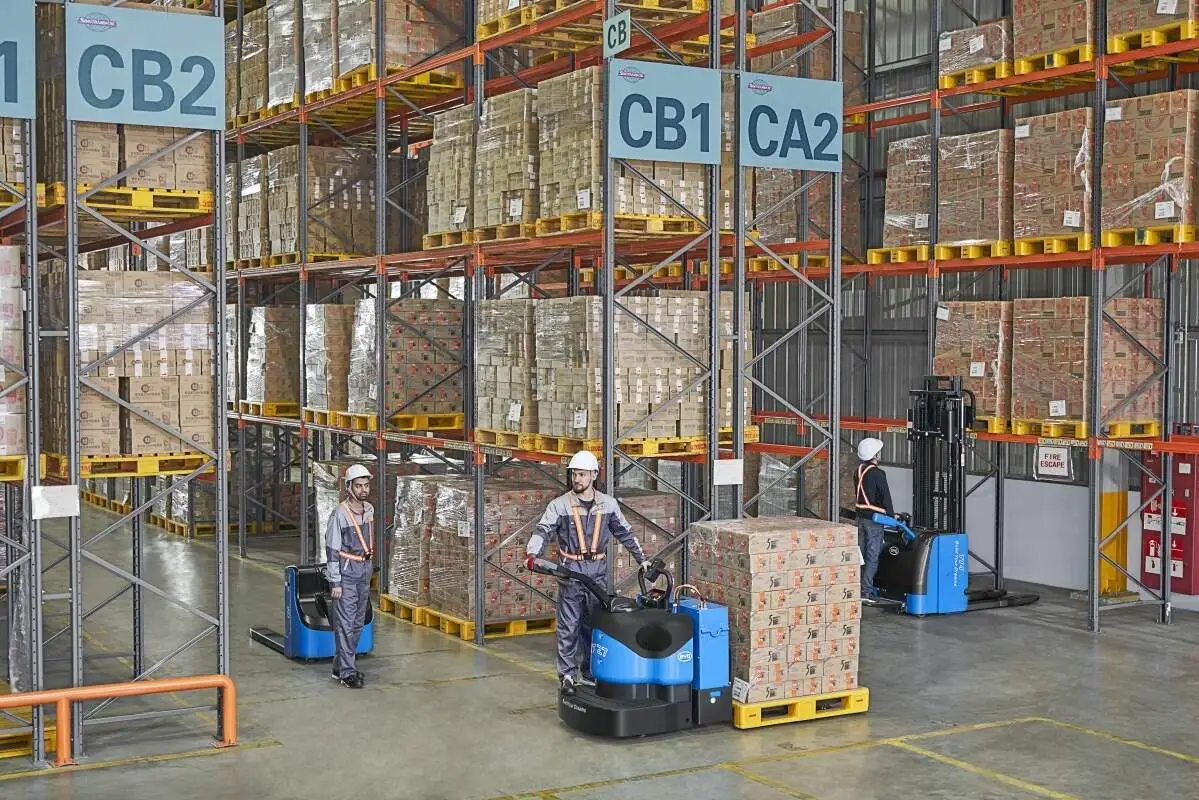
Managing a fleet of electric forklifts requires meticulous attention to detail to ensure safety, operational efficiency, and long-term equipment longevity. One critical, often underprioritized practice is establishing a dedicated equipment file for each individual electric forklift within your fleet. These files act as a centralized repository of critical information, empowering fleet managers to track maintenance histories, ensure regulatory compliance, and optimize performance over time.
Start with core identifying information as the foundation of each file. Include unique details like the forklift’s serial number, manufacturing date, initial purchase documentation, and key specifications such as maximum load capacity, battery type, and standard charging requirements. Recording these basics ensures you can quickly reference critical data when troubleshooting unexpected issues, planning preventive maintenance, or evaluating upgrade needs.
Next, document every maintenance and repair activity consistently. Log details like the date of service, type of task performed (from routine battery calibrations to major component replacements), parts installed, and the identifier of the technician who completed the work. This detailed log helps identify recurring mechanical issues, schedule preventive maintenance proactively to avoid costly downtime, and allocate maintenance budgets more effectively. Over time, it also provides insights into component durability, helping you make informed decisions about parts sourcing and fleet upgrades.
Don’t overlook inspection and compliance records. Electric forklifts are subject to regular safety inspections to meet industry regulatory standards. Your equipment file should store copies of official inspection reports, compliance certificates, and documentation of any corrective actions taken to address identified violations. Organizing these records ensures you can quickly demonstrate adherence to regulations during audits and helps maintain a safe working environment for forklift operators.
Additionally, track operational performance data to add depth to your equipment files. Log metrics such as daily usage hours, battery charging cycles, average load weight, and any incidents or near-misses involving the forklift. This data reveals valuable patterns—for example, a forklift consistently operating at maximum load may require operator training or reallocation to lighter-duty tasks. It also aids in predicting when a forklift may reach the end of its optimal service life, allowing you to plan for fleet replacements in advance.
Finally, prioritize digitalization and regular updates. While physical files can suffice, digital equipment files offer greater accessibility and organization. Use cloud-based fleet management tools or secure software to store and update files in real time. Ensure relevant team members have appropriate access to the files they need, and assign a responsible staff member to update records promptly after every service, inspection, or operational incident. Conduct quarterly reviews of each file to fill gaps and ensure accuracy.
Establishing comprehensive equipment files for every electric forklift in your fleet is a proactive investment that delivers long-term benefits in efficiency, safety, and cost savings. If you need guidance on managing your electric forklift fleet or are seeking reliable electric forklifts, Jianshu New Energy specializes in BYD electric forklifts. Feel free to reach out to us at 17399989919@163.com for expert support tailored to your fleet needs.