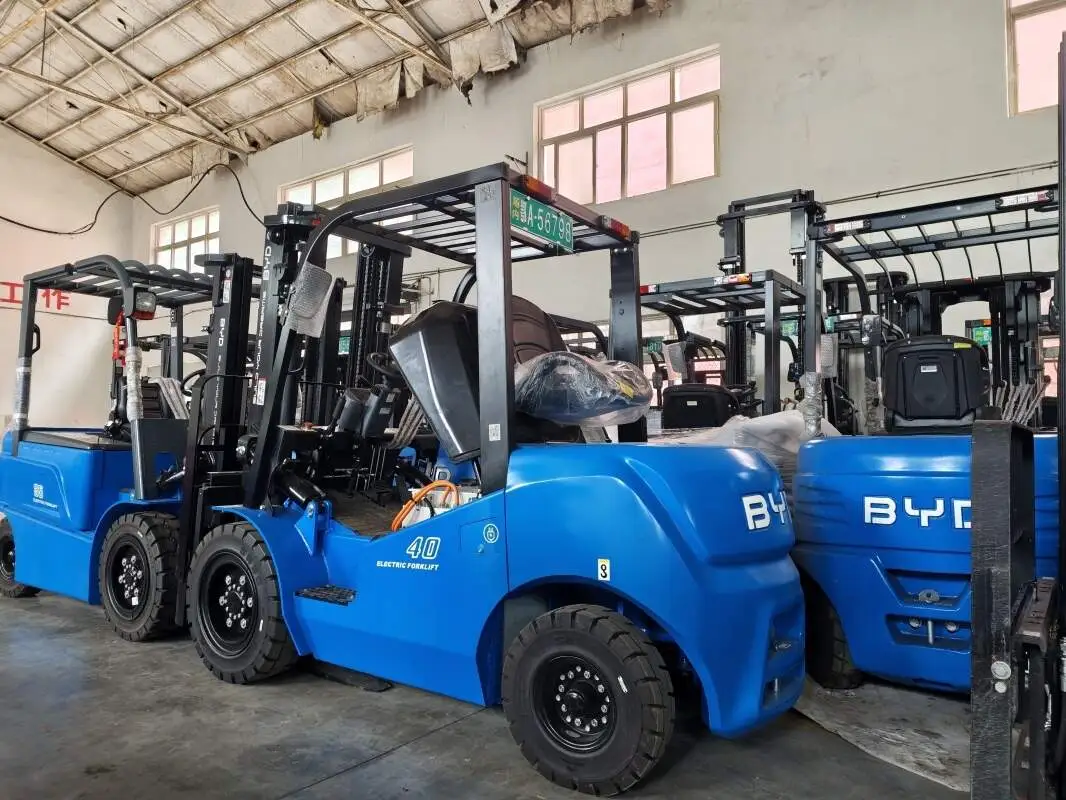
In multi-shift production environments, electric forklifts play a critical role in maintaining seamless material handling operations. However, misaligned charging time arrangements can lead to unexpected downtime, hampering productivity and increasing operational costs. As an electric forklift expert, I share practical guidance to help you design a charging schedule that perfectly fits your multi-shift needs.
First, conduct a thorough analysis of your production shifts and forklift usage patterns. Track each forklift’s daily operating hours, load intensity and idle periods across different shifts. For example, if your first shift runs from 8 AM to 4 PM, identify peak usage times and short breaks where quick top-ups might be feasible. This data will serve as the foundation for creating a personalized charging plan that avoids interrupting core production tasks.
Next, leverage a combination of charging methods to balance efficiency and battery longevity. Slow charging is ideal for overnight periods between shifts, as it minimizes battery stress and extends overall lifespan. For mid-shift needs, fast charging can provide a quick energy boost during scheduled breaks, ensuring forklifts are ready for immediate use when the shift resumes. It’s important to avoid over-reliance on fast charging, as frequent use can accelerate battery degradation over time.
Optimizing the layout of your charging stations is another key step. Position charging points near common break areas or transition zones between shifts to minimize travel time for forklift operators. Ensure there are enough charging stations to accommodate the number of forklifts needing power during off-peak hours, preventing bottlenecks that could delay shift start times. Additionally, prioritize safe charging practices by keeping stations away from high-traffic areas and ensuring proper ventilation to dissipate heat.
Implementing intelligent charging management systems can further streamline your operations. These systems can automate charging schedules based on real-time usage data, ensuring forklifts are charged only when necessary. They can also monitor battery health, alerting maintenance teams to potential issues before they cause downtime. This proactive approach not only optimizes charging efficiency but also reduces long-term maintenance costs.
Finally, establish a regular battery maintenance routine. Conduct monthly inspections to check for signs of wear, clean battery terminals to prevent corrosion and ensure proper fluid levels (if applicable). Well-maintained batteries hold a charge longer and perform more reliably, which is essential for consistent multi-shift operations.
At Jianshu New Energy, we specialize in BYD electric forklifts and understand the unique challenges of multi-shift production. Our team can provide tailored advice and support to help you design a charging strategy that maximizes your fleet’s performance. For more information, feel free to contact us at 17399989919@163.com.